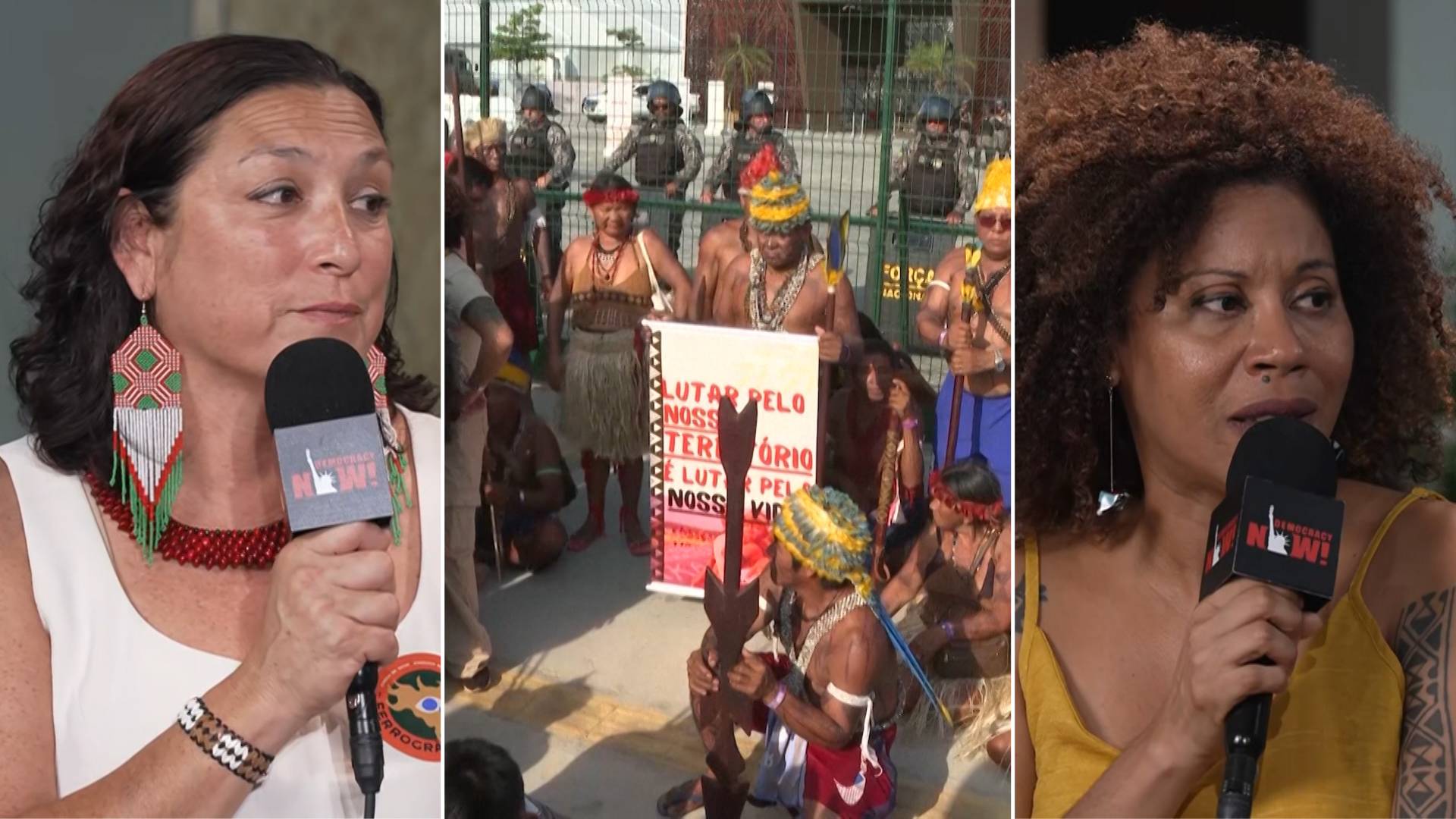
COP30 in Belém has become a heavily civil-society–led summit with an unprecedented Indigenous presence and direct actions that have forced negotiators to address extractive threats to the Amazon; speakers from Amazon Watch and Oxfam Brazil warned the forest is at a tipping point, highlighted murders of environmental defenders, and secured mentions of mining and free, prior and informed consent in talks. Tensions are acute: the Lula government has simultaneously approved new oil exploration near the Amazon mouth and backed a 900‑km highway project that civil society says would open vast tracts to extraction, while Indigenous protests prompted a hold on the Ferrogrão soy railway tied to exporters such as Cargill, ADM and Bunge. For investors, the summit signals rising political, regulatory and reputational risk for oil, mining, agribusiness and infrastructure projects in the region, plus growing momentum for direct finance to communities and proposals (including Brazil’s “Tropical Forests Forever” and calls for taxes on wealthy polluters) that could alter funding and liability dynamics for companies operating in the Amazon.
COP30 in Belém is being driven by an unprecedented Indigenous and civil‑society presence that compelled negotiators to confront extractive threats; Indigenous mobilizations (including a Munduruku blockade) produced a temporary hold on the Ferrogrão soy railway tied to exporters such as Cargill, ADM and Bunge. Speakers from Amazon Watch and Oxfam Brazil flagged that the Lula administration has simultaneously approved new oil exploration near the Amazon mouth and backed a 900‑kilometer highway, decisions civil society says would open large forest tracts to extraction and heighten conflict.
Negotiations now for the first time explicitly reference mining and free, prior and informed consent, while proposals such as Brazil’s "Tropical Forests Forever" and Oxfam’s calls for taxing wealthy polluters signal potential shifts in finance and liability frameworks. The presence of roughly 1,200 fossil‑fuel lobbyists contrasted with active subnational engagement (e.g., California), indicating political contestation that raises regulatory and reputational risk for oil, mining, agribusiness and infrastructure operators in the region.
Speakers emphasized murders of environmental defenders and a >1 million‑signature Oxfam petition, underscoring on‑the‑ground security and litigation risk around land projects. Market signals supplied with the article show a mildly negative sentiment score (‑0.3) and per‑ticker caution for ADM and BG (both ‑0.5), implying near‑term valuation pressure from project delays, ESG scrutiny and changing funding dynamics toward direct community finance.
AI-powered research, real-time alerts, and portfolio analytics for institutional investors.
Request DemoOverall Sentiment
mildly negative
Sentiment Score
-0.30
Ticker Sentiment
