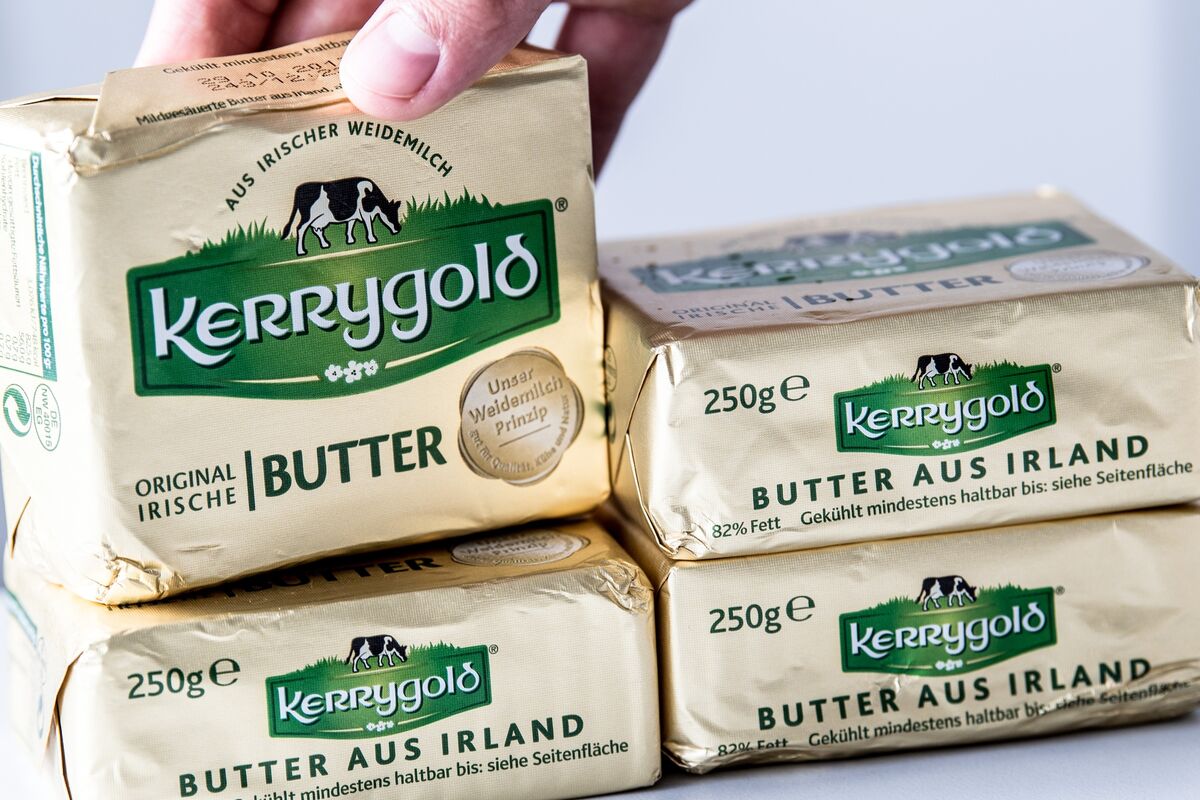
Ornua, the producer of Kerrygold butter, has decelerated its U.S. investment plans, citing the volatility and uncertainty stemming from President Trump's trade negotiations with the European Union. CEO Conor Galvin indicated the company is awaiting greater clarity on the trade settlement, underscoring how ongoing geopolitical trade tensions are directly impacting corporate capital allocation and expansion strategies.
Ornua, the producer of Kerrygold butter, has officially confirmed a slowdown in its U.S. investment activities, directly attributing the decision to geopolitical factors. According to CEO Conor Galvin, the pause in capital allocation is a response to the "volatility and uncertainty" that has characterized U.S.-EU trade relations over the past six to twelve months. This action provides a tangible example of how trade policy ambiguity, specifically regarding potential tariffs, is translating into deferred corporate growth initiatives. While Ornua is a private entity, its cautious stance serves as a significant data point for the broader consumer goods sector, illustrating how European companies are hedging against potential negative outcomes from the ongoing trade disputes. The situation underscores a key risk for firms reliant on transatlantic commerce, where the lack of clarity on future trade settlements directly impedes long-term strategic planning and investment.
AI-powered research, real-time alerts, and portfolio analytics for institutional investors.
Request DemoOverall Sentiment
moderately negative
Sentiment Score
-0.50
