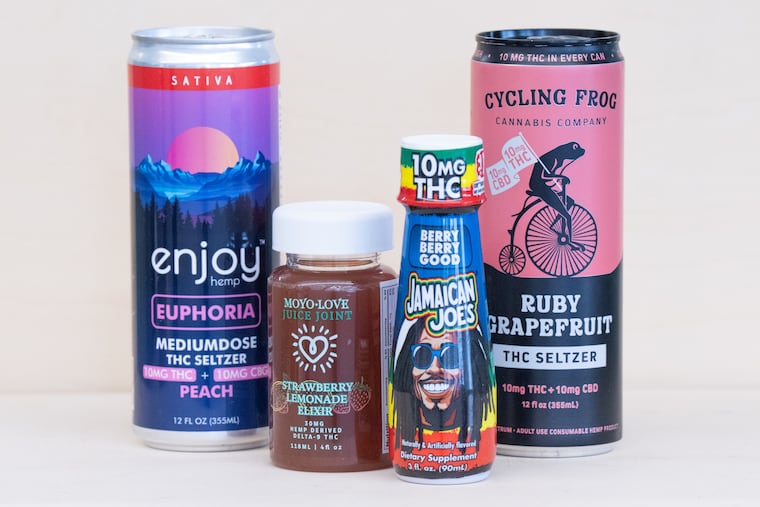
Congress recently moved to ban intoxicating hemp products, which will make most hemp-derived THC drinks sold in mainstream retail illegal starting in 2027; the category has grown to roughly $1.3 billion in annual sales and industry analysts project up to $15 billion under continued broad access. The law threatens manufacturers and retailers (some stores report THC drinks as ~40% of sales) and has triggered intensive lobbying for extended grace periods, higher hemp-THC limits, or state-level regulation; expect significant disruption and legal/regulatory winners and losers across hemp/CBD producers, alcohol distributors and smaller independent retailers ahead of the 2027 compliance cliff.
Market structure: The federal ban (effective 2027, current ~12-month grace window) eliminates a $1.3bn annual unregulated THC-beverage channel that proponents predicted could scale toward $15bn if left unchecked. Winners are licensed, regulated cannabis MSOs (state-legal dispensary operators) and compliance-oriented beverage incumbents who can shoulder testing/licensing costs; losers include hemp-only brands, smoke-shop dependent retailers, and boutique beverage start-ups that derive 30–90% of SKU revenue from intoxicating hemp products. Expect downstream pricing power to shift to licensed dispensaries in legal states and to illicit sellers in unregulated markets, compressing margins for independent retailers.
Risk assessment: Tail risks include (1) Congress reversing the ban or extending the grace period (high impact, medium probability over 30–180 days), (2) a rapid illicit-market surge boosting demand but destroying branded trust (high impact), and (3) state-level preemption/regulation creating patchwork markets that mute national winners. Immediate effects (days–weeks) are inventory liquidation and revenue hits for hemp retailers; short term (3–12 months) is share-price pressure on hemp-centric public companies; long term (12–36 months) is potential market consolidation benefiting compliant MSOs and large beverage partners. Hidden dependencies: payments, banking, and retail distribution contracts can unwind quickly and generate covenant/credit shocks for small operators.
Trade implications: Favor long exposure to regulated cannabis MSOs and vertically integrated operators with state-legal retail (e.g., CRLBF, TLRY, CGC) over pure-play hemp/CBD names (e.g., CWBHF, HEMP). Implement option plays: buy 12–24 month LEAP calls or call spreads on MSOs to capture structural market-share migration; buy near-term puts on small-cap hemp equities to capture immediate derating from inventory write-downs. Rebalance away from independent tobacco/vape retailers and small liquor distributors that relied on THC-drink uplift; rotate into defense (large-cap beverages) only selectively—liquor distributors may lose incremental sales.
Contrarian angles: Consensus assumes regulated MSOs automatically capture displaced hemp demand — that underestimates price sensitivity and convenience preferences that could push consumption to illicit channels or state-level dispensaries with higher prices. This implies bifurcation: top-tier MSOs with strong retail footprints and compliance capability will be underpriced relative to long-tail hemp firms; the market may over-penalize large beverage partners temporarily (creating a recovery trade if regulatory clarity emerges). Historical parallel: vape regulatory shocks (2019–2020) created permanent category shrinkage for weaker brands while strengthening compliance-heavy players; expect similar consolidation.
AI-powered research, real-time alerts, and portfolio analytics for institutional investors.
Request DemoOverall Sentiment
strongly negative
Sentiment Score
-0.70
