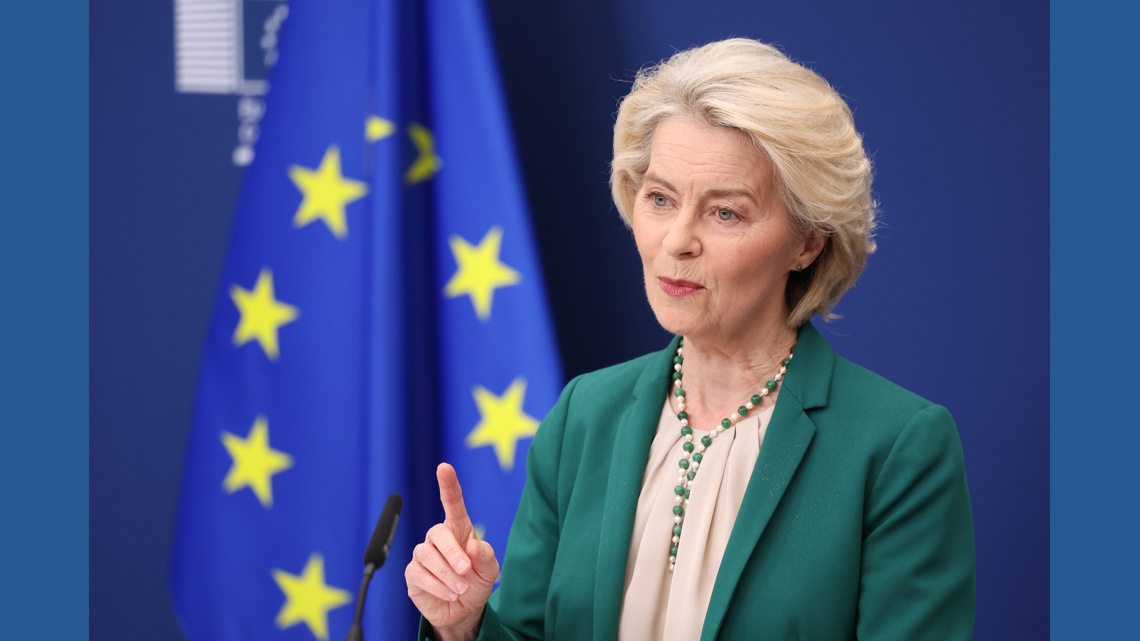
The Mercosur-EU trade deal took effect provisionally, opening a potential $22 trillion trans-Atlantic market for 720 million consumers and targeting export gains of more than 10% by 2038 once fully implemented. The pact reduces trade barriers and tariffs while preserving safeguards for sensitive sectors like poultry, beef, sugar, and fruit. Although the move is positive for exporters and European businesses, it remains subject to legal challenge in the EU court.
The immediate market read is not “more trade,” but a relative-shift in bargaining power away from pure tariff leverage and toward firms with scale, compliance infrastructure, and logistics optionality. The first-order winners are EU capital goods, industrial automation, chemicals, and branded pharma with underpenetrated Mercosur distribution; the second-order winners are local distributors, ports, warehousing, and cross-border freight operators that can intermediate the step-up in volumes. The less obvious loser set is domestic Mercosur mid-cap manufacturers that sit in the middle of the value chain and lack either low-cost production or premium pricing power; they get squeezed before end-demand meaningfully expands. The biggest second-order effect is on supply-chain re-optimization rather than headline export growth. If the agreement survives legal challenge, companies will likely front-load inventory and qualify suppliers over the next 2-3 quarters, which benefits contract logistics, customs brokers, and marine freight more than final merchandise sellers. That also means margin expansion for incumbents could appear before GDP effects do, while industries with long certification cycles—autos, pharma, ag inputs—see a slower but more durable share shift over 12-24 months. The main risk is that the deal becomes a political asset rather than a functioning tariff regime: EU judicial delay, farmer backlash, or a change in enforcement standards could compress the timeline materially. A second risk is that Mercosur exporters gain access faster than they upgrade environmental and traceability compliance, which would trigger selective non-tariff barriers and blunt the upside. Consensus likely underestimates how much this deal is a hedge against U.S.-led protectionism; if Washington normalizes tariffs, bloc-to-bloc agreements may re-rate as strategic, not just incremental trade liberalization.
AI-powered research, real-time alerts, and portfolio analytics for institutional investors.
Overall Sentiment
mildly positive
Sentiment Score
0.35
