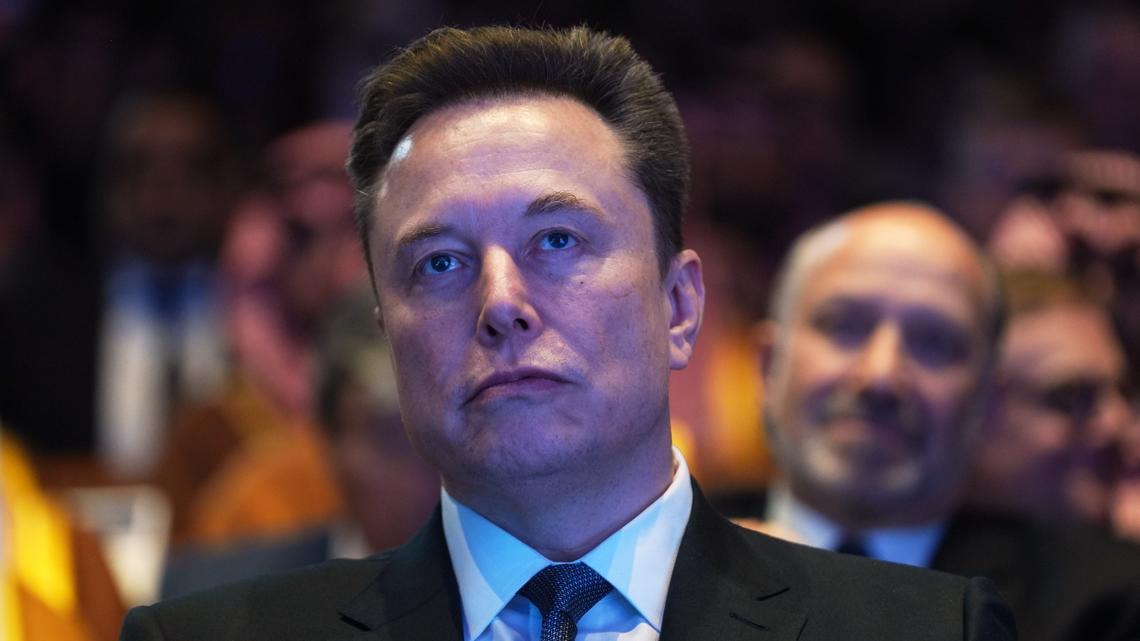
Musk's SpaceX is being considered for a potential tax abatement in Grimes County, Texas, for a multi-phase semiconductor and advanced computing fabrication project. The initial capital investment is pegged at $55 billion, rising to $119 billion if additional phases are built. The notice suggests a potentially transformative domestic chipmaking facility, though the site and timeline remain unconfirmed.
This is less a single-facility headline than a signal that the U.S. domestic compute/buildout trade is moving from narrative to land, permits, and local tax policy. If the project is real and proceeds, the first-order winners are not the obvious AI chip names but the boring enabling layer: power generation, grid equipment, industrial gases, water treatment, civil engineering, and specialty construction. A $55B initial phase implies multi-year procurement visibility, and the second-order effect is tighter capacity pricing across utilities and EPC contractors in Texas as large-load interconnects become more valuable than the fabs themselves. The market may be underestimating execution friction. A vertically integrated semiconductor campus at this scale is a 3-7 year permitting, power, and labor absorption exercise, not a single catalyst; the key gating items are local incentive approval, grid capacity, environmental review, and state/federal support continuity. Any delay in water rights, transmission buildout, or tax-abatement negotiations could push the timeline right by quarters or years, which matters because the capital intensity is front-loaded while cash-flow contribution is back-loaded. The contrarian read is that the headline could actually be mildly negative for the broader semiconductor ecosystem if investors extrapolate too far. A single mega-project concentrates political capital and subsidy attention, which can crowd out smaller domestic fabs and equipment orders, while also increasing the odds of policy pushback on local abatements. If the project becomes a magnet for domestic supply-chain localization, the biggest medium-term beneficiary may be infrastructure and industrial names rather than pure-play chip manufacturers. For risk/reward, the best trade is to own the picks-and-shovels that get paid on capex regardless of end-market timing, and avoid chasing the name-specific narrative until there is binding financing and utility commitment. The market is likely to price optionality quickly, but the probability-weighted value improves only when the project clears local government and power-delivery hurdles. In other words: trade the enabling spend, not the press release.
AI-powered research, real-time alerts, and portfolio analytics for institutional investors.
Request DemoOverall Sentiment
mildly positive
Sentiment Score
0.20
