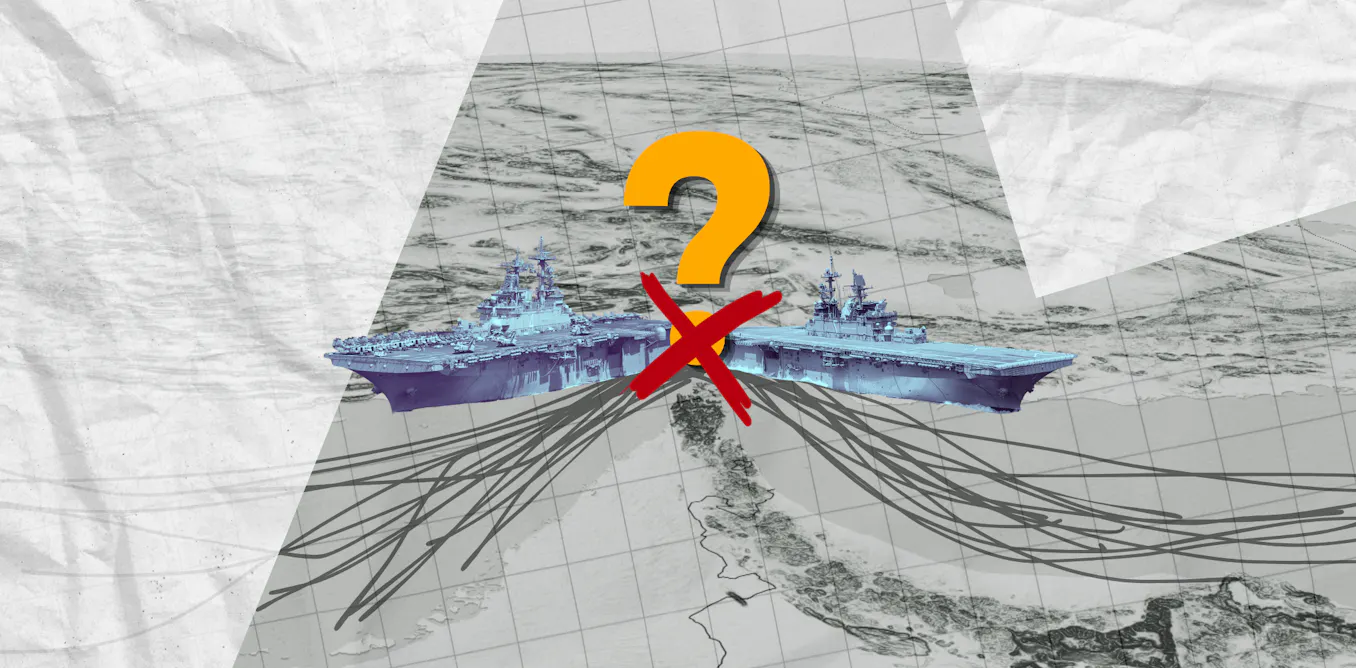
The effective closure of the Strait of Hormuz by Iranian attacks has triggered a global fuel crisis and prompted a US ultimatum to reopen the waterway. Reopening would require a two-phase campaign: neutralizing Iran's coastal targeting (radar, C2, drone stockpiles) and a prolonged reassurance effort (airborne early warning, maritime patrols, combat air patrols, naval escorts), while suspected mines would require a time-consuming clearance operation taking weeks to months. Expect sustained upward pressure on energy prices, disrupted seaborne oil/gas shipments and elevated risk-off positioning until commercial transit is demonstrably secure.
Markets are already pricing a shipping-security premium that compounds three channels: higher freight/insurance, longer voyage fuel/charter costs from rerouting, and temporary physical crude export bottlenecks. Expect spot tanker rates to spike within days and remain elevated for weeks; that flow-through supports earnings surprise potential at pure-play crude tanker owners even if headline crude prices mean-revert. Refinery margin volatility will increase regionally as feedstock flows change, creating short windows of super-normal crack spreads for refiners able to source advantaged barrels.
A sustained threat to maritime transit accelerates defense procurement dynamics that usually play out over 6–24 months: demand shifts toward mine-countermeasure vessels, airborne maritime ISR, counter-UAS/ROV systems and modular escort packages. Contractors with existing platforms or COTS counter-UAS suites can see order acceleration and outsized backlog growth; expect meaningful revenue recognition 2–9 quarters after contract award, with modular suppliers capturing earlier revenue than shipyards. Private shipping/infrastructure actors will restructure contracts to pass through war-risk premiums, creating durable service-cost inflation in energy logistics.
Key reversals: a credible diplomatic de-escalation or rapid coalition clearance operation could unwind most oil-price premium inside 4–12 weeks, but frictions in insurance and rerouting norms will linger longer and keep tanker dayrates above pre-crisis baselines for months. Tail risk — a wider closure or protracted asymmetric campaign — would move the shock from a logistics disruption to an energy-supply shock, shifting the vector from freight winners to sustained commodity upside; position sizing should therefore assume high event binary risk and incorporate fast stop-loss rules or option-based hedges.
AI-powered research, real-time alerts, and portfolio analytics for institutional investors.
Request DemoOverall Sentiment
strongly negative
Sentiment Score
-0.60
