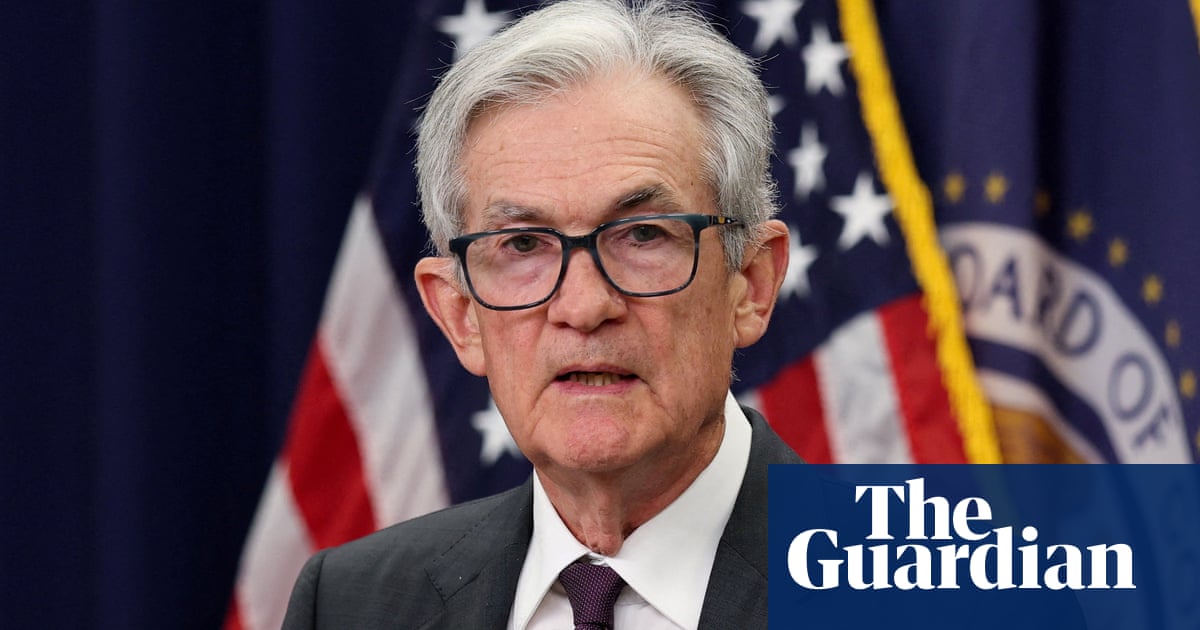
The Federal Reserve cut interest rates to a range of 4% to 4.25%, the first reduction since December, citing a weakening labor market with slowing job gains and rising unemployment risks. This decision, however, creates a delicate balance given that Trump's tariffs have driven August inflation to 2.9%. Fed Chair Jerome Powell acknowledged tariffs could cause a "one-time shift" in prices but warned of potentially "more persistent" inflationary effects, underscoring the Fed's commitment to prevent ongoing inflation while stabilizing employment.
The Federal Reserve has executed a 25-basis-point interest rate cut, bringing the target range to 4.00%-4.25%, in a preemptive move against a deteriorating labor market. This decision is underpinned by tangible signs of weakness, including a downward revision of 258,000 jobs for May and June and an unemployment rate that has climbed to 4.3%, its highest level since 2021. However, this monetary easing occurs within a challenging inflationary context, as tariffs have contributed to a rise in August inflation to 2.9%. Fed Chair Jerome Powell acknowledged this difficult trade-off, noting that while tariff-induced price hikes could be a "one-time shift," there is a material risk of "more persistent" inflation. This dynamic introduces the potential for stagflation—simultaneously rising unemployment and prices. The policy decision also reflects significant political cross-currents, with President Trump publicly advocating for more aggressive cuts and a new Fed governor, Stephen Miran, dissenting in favor of a larger 50-basis-point reduction. The Fed is thus navigating a narrow path, prioritizing employment risks while being constrained by politically-driven inflationary pressures.
AI-powered research, real-time alerts, and portfolio analytics for institutional investors.
Overall Sentiment
moderately negative
Sentiment Score
-0.50
