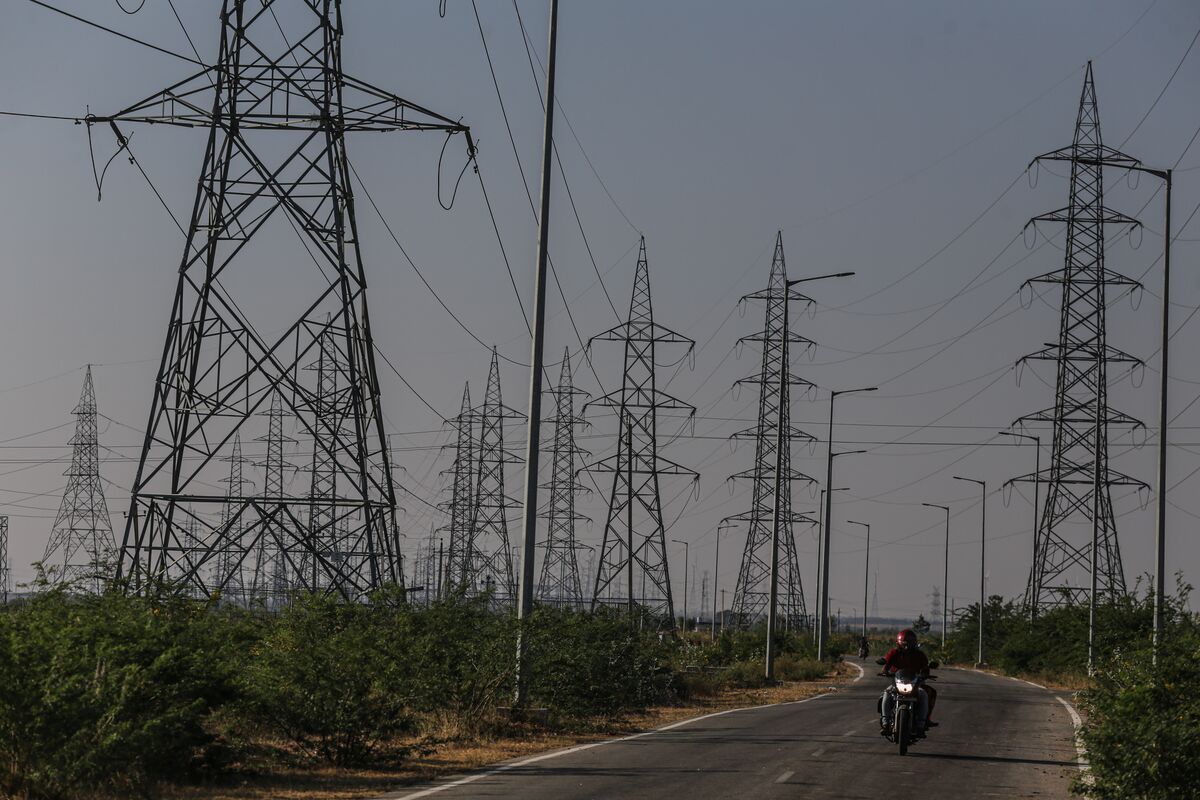
India is preparing legislation to open its atomic power sector to new investment, with a planned nuclear buildout valued at as much as 19.3 trillion rupees ($214 billion), according to Atomic Energy Minister Jitendra Singh. The bill could receive cabinet clearance this week and be tabled in parliament before the Dec. 19 session ends, a move that could unlock large contracts for plant builders, equipment suppliers and investors while accelerating India’s low‑carbon generation capacity.
Winners: reactor vendors (BWXT, GE), SMR developers (Rolls‑Royce RR.L), uranium miners (Cameco CCJ) and ETF exposure (URA) gain optionality from a potential 19.3 trillion rupee (~$214bn) multi‑year capex program; Indian EPC and heavy‑equipment firms (Larsen & Toubro — NSE: LT) also stand to capture early contracts. Losers: incumbent thermal coal generators and some intermittent‑only renewables developers could face reduced new capacity growth vs. baseload nuclear, pressuring equity growth expectations over 3–10 years.
Competitive dynamics: opening the sector reduces state single‑vendor control, inviting foreign OEMs and tier‑1 suppliers — expect tighter margins for domestic incumbents initially but rising orderbooks for global suppliers, shifting pricing power to firms with licensed reactor tech and long lead‑time supply chains. Supply/demand: incremental uranium demand and enrichment services implied by 10–20 GW equivalent of new builds over 10–20 years would materially tighten the uranium market (estimate ~5–10% incremental annual demand for yellowcake), lifting prices and capex for miners.
Cross‑asset: positive for commodity (uranium, copper, steel) and selective EM FX (INR) on capital inflows and long‑cycle exports; negative near‑term pressure on Indian bond yields if government finances large upfront guarantees — watch 10y INR moves >25bp. Tail risks include regulatory reversal, domestic liability rules that deter vendors, large cost overruns; catalysts are cabinet clearance (days) and parliamentary passage by Dec 19 (30 days).
Time‑sensitive implication: an approval this week should trigger a re‑rating window for listed nuclear suppliers within 1–3 months, while actual project awards and supply‑chain orders will be phased over quarters–years; policy missteps or accidents remain low‑probability high‑impact events that would reset valuations quickly.
AI-powered research, real-time alerts, and portfolio analytics for institutional investors.
Request DemoOverall Sentiment
moderately positive
Sentiment Score
0.45
