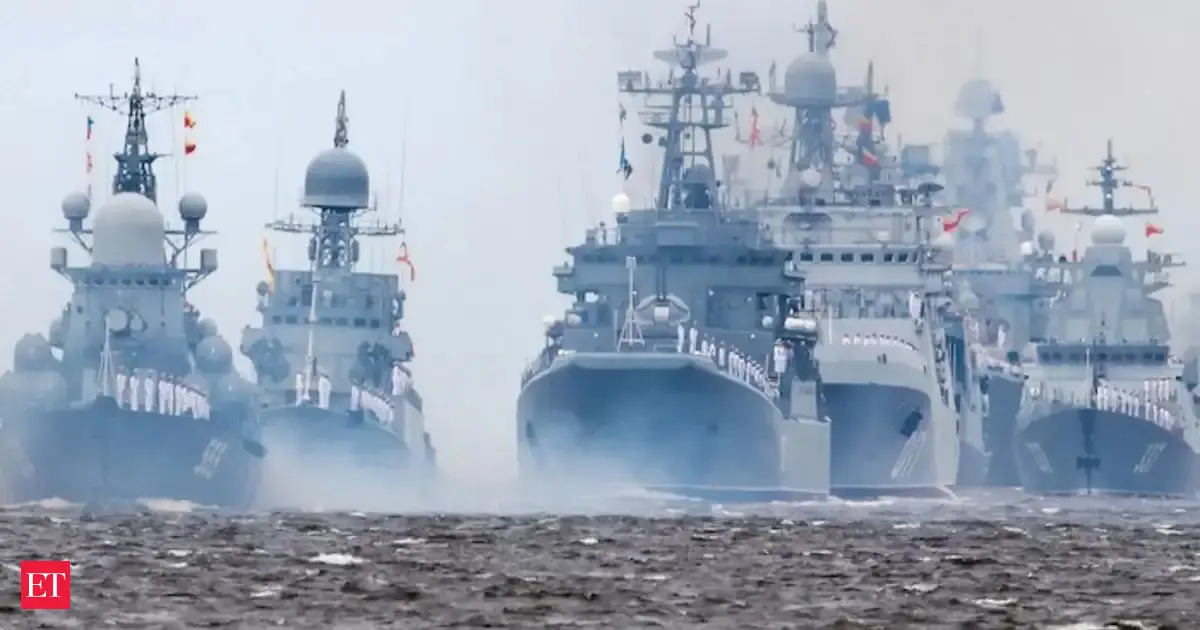
Russian military commentators and Navy Commander-in-Chief Admiral Aleksandr Moiseev have publicly acknowledged that the Russian Navy lacks the assets, range and logistics to protect Russia-linked oil tankers on the high seas, with operations beyond the EEZ described as largely reactive. Planned naval modernization under 44–50 new corvettes/frigates by 2020 yielded only 16 vessels (including 10 corvettes), and of roughly 20 large Soviet-era ASW ships/destroyers/cruisers only the cruiser Marshal Ustinov and frigate Marshal Shaposhnikov have meaningful upgrades. The admission follows Western interdictions—including the US seizure of the Russia-flagged crude carrier Marinera—and highlights growing reliance on a reflagging 'shadow fleet', raising legal exposure, escalation risk and potential pressure on Russia’s oil export revenues, shipping routes and insurers.
Market structure: Western interdictions + Russia’s inability to escort tankers permanently remove a portion of seaborne Russian crude from liquid markets and raise marginal cost of seaborne transport. If 10–25% of Russia’s seaborne exports are disrupted over 1–3 months, expect Brent to rerate higher by ~10–25% as buyers chase alternative barrels and insurance/freight add $2–6/bbl to delivered cost. Winners are owners of open-ocean tanker capacity and marine insurers; losers are refiners with tight crude runs and countries reliant on discounted Urals.
Risk assessment: Tail risks include kinetic escalation (naval skirmish) that spikes insurance premiums 200–500% and forces routing via longer voyages, or aggressive secondary sanctions that freeze shadow-fleet vessels—both could lift crude +25–40% in weeks. Short-term (days–weeks) volatility will be driven by seizures and headlines; medium-term (3–6 months) by rerouting, insurance and legal actions; long-term (1–3 years) by structural shrinkage of Russian seaborne capacity and higher freight sticky costs. Hidden dependency: refiners’ ability to switch feedstocks and access to insurance providers.
Trade implications: Tactical: trade energy and shipping, protect with options. Expect VLCC/ Aframax dayrates to at minimum double within 1–3 months if seizures continue; that benefits FRO and EURN but raises legal/sanction counterparty risk. Macro: higher headline inflation in Europe -> steeper 2–10y yields; RUB likely to weaken 5–15% absent new capital controls.
Contrarian angles: Market may overpay for pure-play tanker stocks without pricing sanction/legal risk—discount those with opaque ownership/flagging history. Conversely, energy equities (XLE, large integrated majors like Shell SHEL, BP) may be oversold if higher crude offsets refining margin squeezes; a calibrated options-backed exposure to Brent/majors offers asymmetric payoff versus outright equity longs.
AI-powered research, real-time alerts, and portfolio analytics for institutional investors.
Request DemoOverall Sentiment
moderately negative
Sentiment Score
-0.50
