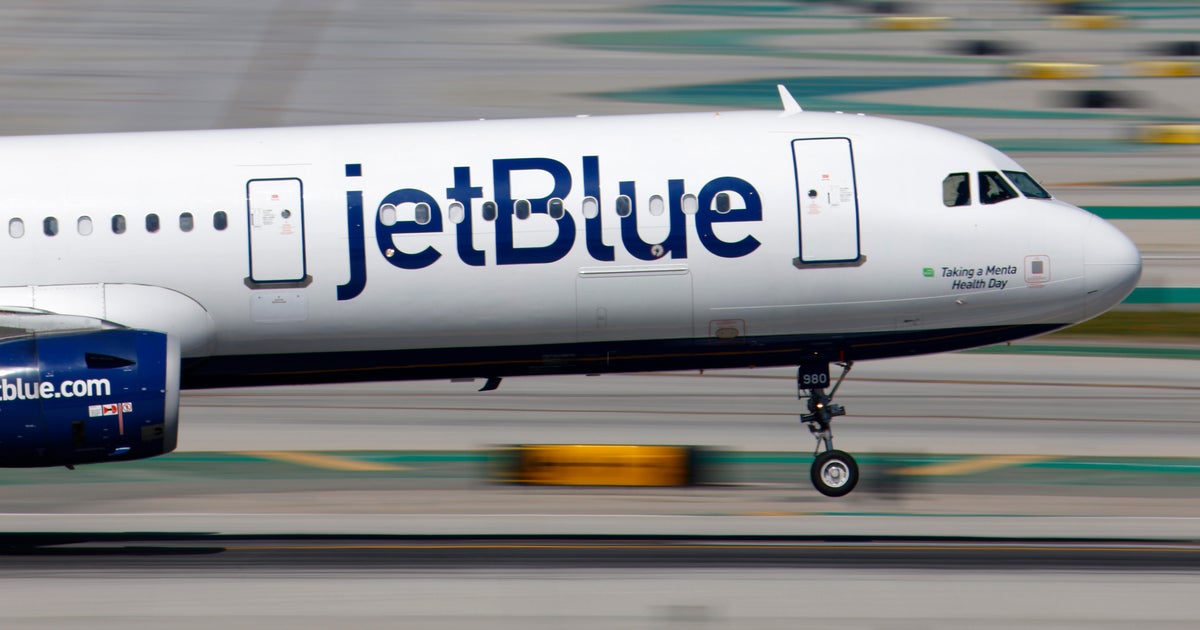
JetBlue raised checked-bag fees to at least $39 for the first bag (up $4 from $35) and $59 for the second bag (up $9 from $50); an additional $10 per bag applies if checked within 24 hours of departure. The airline attributes the change to rising jet-fuel costs after the Iran war and Strait of Hormuz disruptions (Brent spiked to $115/bbl before settling at $107.95; WTI ~$101.70), noting jet fuel is ~20% of operating costs. JetBlue says the fee adjustment helps keep base fares competitive; other carriers are similarly passing higher fuel costs to customers via surcharges or higher fares.
Ancillary-fee pushes are a de facto transfer of price from headline fares to optional services, which preserves search-engine competitiveness while increasing revenue per passenger and margin volatility. Carriers with cleaner unit-cost structures and fuel hedges will capture a disproportionate share of incremental profit; legacy carriers saddled with widebody international exposure and weaker leisure pricing flexibility are most exposed. Second-order effects: a durable shift to more carry-on travel will lower per-passenger handling costs but raise gate congestion and customer service friction, increasing non-fuel operating costs for network airlines and advantaging single-aisle, point-to-point operators. Finally, intermediaries — credit-card co-brand issuers and OTAs — will see a small but steady bump to interchange and take-rates, which slightly offsets consumer pushback and creates cross-sector hedges to airline downside.
Key tail risks and catalysts are asymmetric in time. A rapid de-escalation of the geopolitical shock or a material drop in jet fuel within 30–90 days would strip the revenue justification for ancillary hikes and pressure yields; conversely, sustained high fuel through the summer travel season (3–6 months) magnifies the value of ancillary revenue and benefits carriers with lower structural cost per ASK. Regulatory intervention and class-action litigation over opaque fee disclosures are medium-term (6–18 months) risks that could force refunds or caps and compress short-term margin. Watch aircraft delivery schedules and seasonal capacity; an unanticipated supply influx in the back half of the year would flip pricing power back to consumers within 3–9 months.
Consensus is focused on headline fares and fuel; it underestimates the elasticity shift inside customer cohorts. Leisure customers will trade down to bare-fare products or alternative transport sooner than business travelers reduce frequency, compressing yields on top-tier corporate routes while leaving leisure yields intact. That bifurcation creates a two-speed recovery where domestic low-cost carriers and well-hedged operators outperform networked international carriers, even if headline passenger growth appears uniform.
AI-powered research, real-time alerts, and portfolio analytics for institutional investors.
Request DemoOverall Sentiment
mildly negative
Sentiment Score
-0.15
Ticker Sentiment
