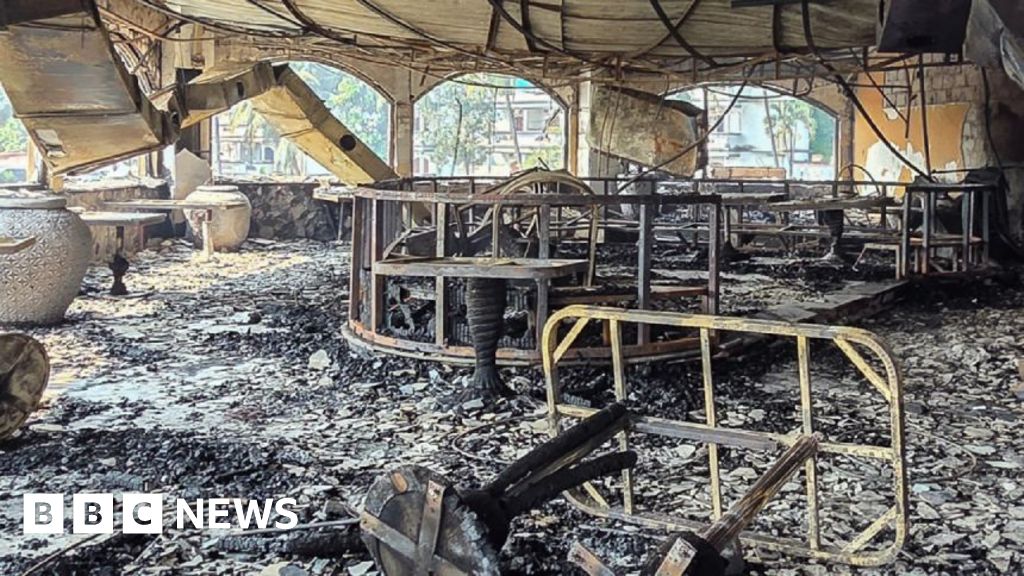
A fire at the Birch nightclub in Goa killed 25 people (21 staff, four tourists) with indoor fireworks now suspected; four arrests have been made and an arrest warrant issued for the owner as authorities launch an inquiry. The incident raises the prospect of regulatory tightening and reputational damage to Goa's nightlife and hospitality sector — which drew roughly 5.5 million visitors in H1 — potentially pressuring local tourism-related revenues and increasing compliance costs for operators in the near term.
Market structure: The incident is a localized shock to Goa’s travel & leisure ecosystem (5.5m visitors H1) that directly hurts small/local hospitality operators, nightlife venues, and informal labor supply while benefiting event-safety services, local insurers, and compliance/audit vendors. Pricing power will shift toward larger branded hotels and regulated operators able to credibly demonstrate safety — expect a 3–8% discount in perceived value for unbranded/nightlife-focused assets in the near term if inspections increase.
Risk assessment: Tail risks include a state-level regulatory crackdown (temporary closures, mandatory retrofits) that could curtail Goa arrivals by 5–15% over 1–3 months; a worse tail is a national safety audit that raises capex for small operators by 10–30% over 12–24 months. Immediate risk window is 0–30 days (arrests, initial audits), short-term 1–6 months (booking trends, tourist season effects), long-term 6–24 months (legislative/regulatory change and capital reallocation).
Trade implications: Tactical trades should be concentrated and time-boxed: hedge local-EM leisure exposure and favor large-cap global lodging/OTAs with diversified earnings. Use options to buy downside protection on India/EM leisure exposure while selectively adding longs in global travel names that can pick up displaced demand; rotate 1–3% of portfolio from small-cap EM leisure into global branded lodging over 1–6 months.
Contrarian angles: Consensus may over-rotate away from India broadly; impact is likely concentrated in nightlife and small operators, not mainstream tourism (5.5m H1). Historical parallels (localized safety incidents) show 6–12 week booking rebounds once inspections/compensations occur — mispricings will appear in small-cap leisure stocks and local hospitality services, offering buyable dips once regulatory lines are clear.
AI-powered research, real-time alerts, and portfolio analytics for institutional investors.
Request DemoOverall Sentiment
moderately negative
Sentiment Score
-0.50
