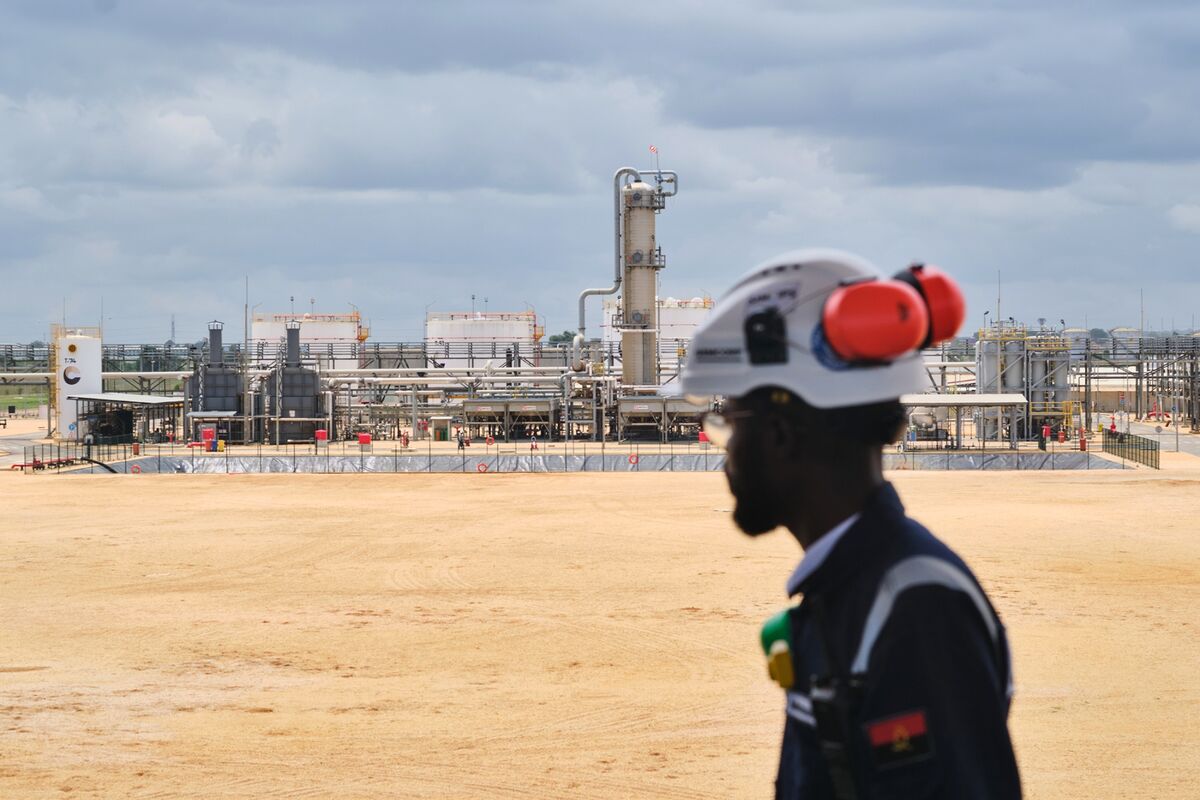
Angola’s Cabinda refinery, built for more than $470 million, has սկսել shipping fuel and is now supplying diesel to the domestic market while exporting heavy fuel oil and naphtha. The startup should help Angola reduce reliance on fuel imports and improve local energy supply. The development is a constructive milestone for the country’s downstream energy infrastructure, though near-term market impact is likely limited.
This is a quiet but important micro-shift in African refined-product logistics: a new domestic outlet for crude does not just improve local fuel availability, it changes the marginal economics of Angolan barrels. Over time, more indigenous crude can be monetized through higher-value refined products rather than exports, which should modestly tighten the exportable crude balance and improve bargaining power for nearby refiners and traders that previously captured Angola’s import dependency.
The bigger second-order effect is on the regional product market, not the upstream market. Diesel is the key swing product for transport, mining, and power backup; any incremental domestic supply in Angola can dampen landed product prices in the South Atlantic corridor and pressure import-dependent distributors that have been earning on scarcity and freight arbitrage. At the same time, exports of heavy fuel oil and naphtha imply the refinery is likely producing a product slate that competes into niche international markets where margins can be volatile and logistics-sensitive rather than structurally deep.
The main risk is execution, not demand. New African refineries often start with headline volumes and then face reliability, feedstock quality, maintenance, and distribution bottlenecks over the next 3-12 months; the market should be careful about extrapolating early shipments into steady-state utilization. If throughput disappoints, the domestic price relief and import-substitution story fades quickly, while any outage would create the opposite effect: a sudden re-tightening of local diesel supply and a likely reopening of arbitrage for traders with coastal storage.
Contrarianly, the market may be underestimating how limited the immediate global impact is. A single refinery in Angola is not a crude supercycle catalyst; it is more likely a slow re-routing of value from imported refined products toward local processing and port logistics. The more actionable implication is relative-value across shipping, storage, and select product traders rather than a directional call on broad energy indices.
AI-powered research, real-time alerts, and portfolio analytics for institutional investors.
Request DemoOverall Sentiment
mildly positive
Sentiment Score
0.35
