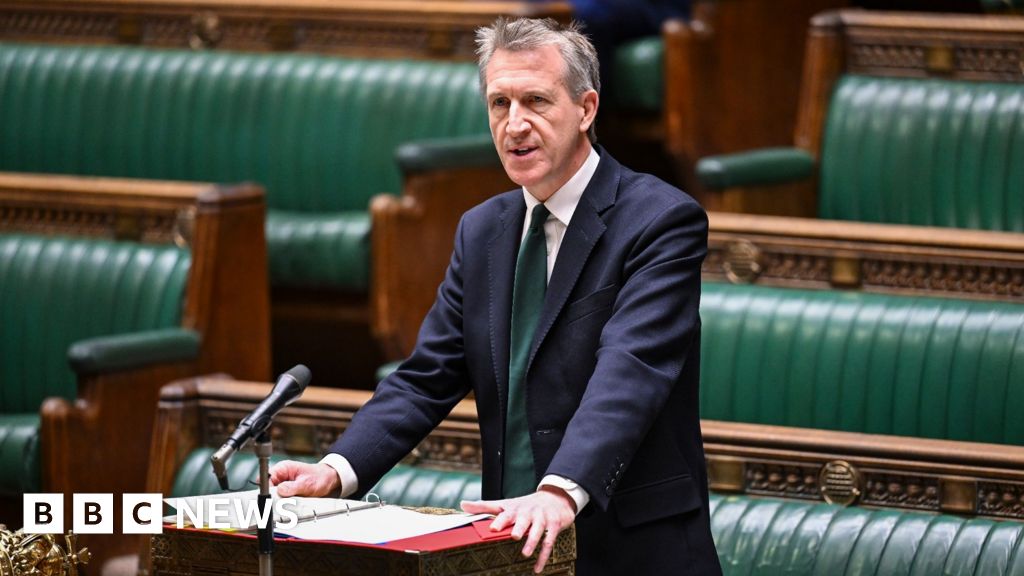
MI5 has warned that operatives linked to China’s Ministry of State Security are using LinkedIn profiles as “civilian recruitment headhunters” to target Parliament staff, MPs, Lords, economists and think‑tankers with offers including paid trips and cash/cryptocurrency for insider information; Beijing has rejected the allegations. Security minister Dan Jarvis announced a package of countermeasures — including £170m to upgrade government encryption, new protections for university research, tighter rules on covert political funding, strengthened Electoral Commission powers and pre‑election security briefings — and said adding China to the enhanced tier of the Foreign Influence Registration Scheme is under consideration. The alert, following other high‑profile investigations and MI5 warnings about data collection, signals a tougher UK counterintelligence posture that raises regulatory, diplomatic and operational risks for China‑linked actors in the UK while complicating an already sensitive trade relationship.
MI5 has warned that operatives linked to China’s Ministry of State Security are using LinkedIn profiles as “civilian recruitment headhunters” to target Parliament staff, MPs, Lords, economists, think‑tank employees and those working with government, offering all‑expenses paid trips and payment in cash or cryptocurrency for insider information. The government response is material: Security Minister Dan Jarvis announced measures including £170m to upgrade encrypted technology for government business, new protections for university research, tighter rules on covert political funding, enhanced Electoral Commission powers and pre‑election security briefings.
Beijing has publicly rejected the allegations, calling them fabrication, while UK officials are considering adding China to the enhanced tier of the Foreign Influence Registration Scheme and reserving the right to use sanctions “as necessary.” The alert follows prior MI5 warnings and a collapsed prosecution earlier this year, highlighting persistent legal and evidentiary complexity around counterintelligence actions.
For markets and stakeholders this signals a sustained hawkish tilt in UK policy that increases regulatory, diplomatic and operational risk for China‑linked actors in the UK but preserves trade ties (China remains the UK’s third largest trading partner). The policy package creates asymmetric risks for firms involved in UK‑China collaboration (universities, research partners, data services) and potential near‑term upside for vendors of cybersecurity, encryption and secure government IT services.
AI-powered research, real-time alerts, and portfolio analytics for institutional investors.
Request DemoOverall Sentiment
moderately negative
Sentiment Score
-0.35
