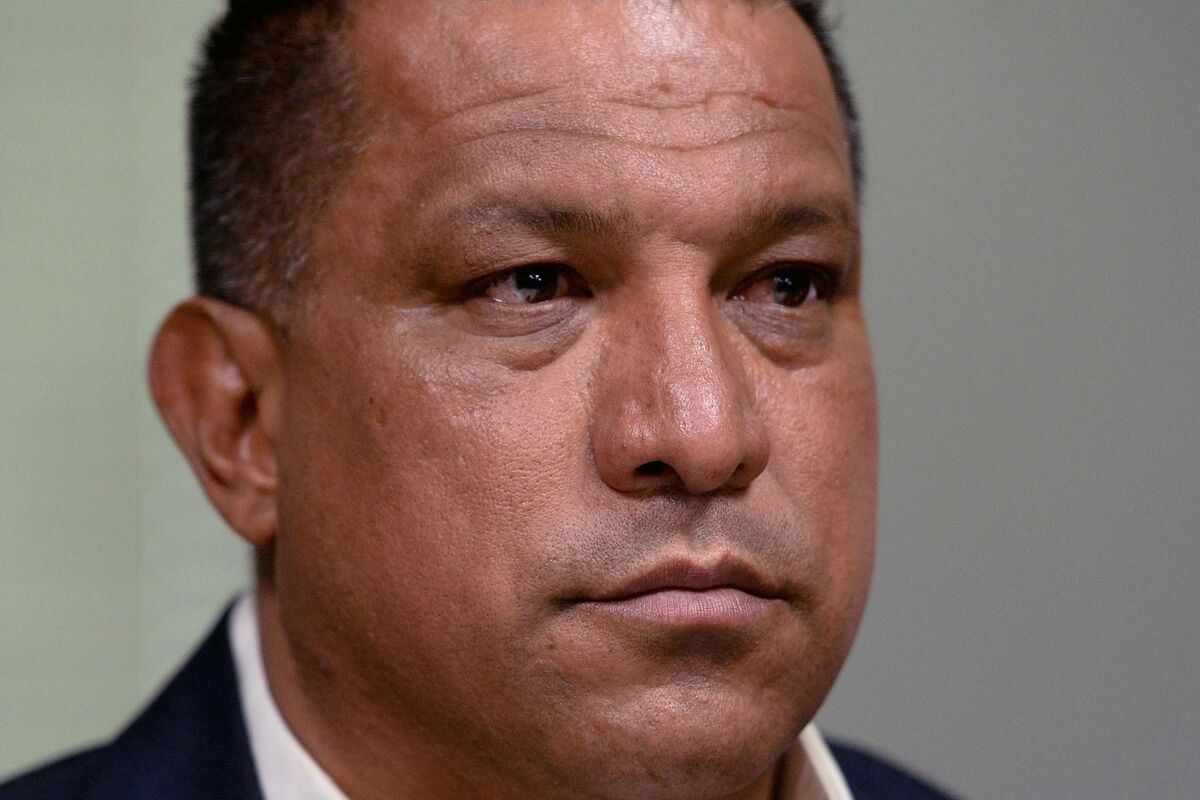
Alfredo Díaz, a 56-year-old former Venezuelan governor, was found dead in his cell at the Helicoide intelligence police prison in Caracas after being detained for more than a year; human rights group Foro Penal reported the death and indicated it may have been due to a heart attack. The event underscores continued political risk and human-rights concerns in Venezuela, reinforcing country-risk considerations for investors with exposure to Venezuelan assets, though the direct market impact is likely limited.
Market structure: The death of a prominent opposition governor in state custody raises political-risk premia for Venezuelan sovereign risk and Latin America exposures; direct winners are hard-currency safe havens (USD, GLD) and short-term oil hedges if supply fears rise, while losers are Venezuela-linked sovereign/credit holders and Latin America equity ETFs (ILF) due to potential capital flights. Pricing power shifts are minimal for global oil unless disruption exceeds ~200–500 kbpd; however EM funding spreads can move quickly — a 50–150 bps move in EMB-like spreads is plausible within weeks. Cross-asset ripple: expect EM FX weakness, higher CDS, modest uptick in US Treasuries demand, and a 1–3% knee-jerk move in EEM/ILF on headline shocks.
Risk assessment: Tail scenarios include sustained unrest leading to targeted US/EU sanctions that cut oil exports (200–500 kbpd) or trigger regional contagion, each carrying low probability but high impact for oil and EM debt. Immediate (0–7 days): headline volatility and flows out of EM; short-term (1–3 months): widening sovereign spreads and FX depreciation; long-term (3–18 months): potential policy hardening or electoral shifts that could reprice credit permanently. Hidden dependencies include PDVSA operational fragility and third-party actors (Russia/Cuba/Iran) that could mitigate or amplify supply shocks. Catalysts to watch: sanctions announcements, large protests, or a >10% drop in on-the-ground oil loading data.
trade implications: Hedge EM beta and own tactical commodity exposure: buy downside protection on EEM (3-month puts ~5% OTM) sized 1–2% portfolio to cap a >5% EM selloff; add 1–2% GLD as immediate risk hedge. Tactical oil play: if Brent rises >$2/bbl within 10 trading days or visible loadings fall by >100 kbpd, establish a 1–2% notional 3-month call-spread on USO/XLE (10–20% OTM). Defensive credit: avoid adding duration in EMB; consider buying protection via CDS or buying short-dated inverse-EM product if EM CDS widen >50 bps.
contrarian angles: The market may underweight contagion to other LatAm sovereigns, but may also overreact given Venezuela’s reduced production (~0.7–1.0 mbpd) and illiquidity of its bonds. If EMB yields gap +50 bps on headlines without broader macro deterioration (US data benign, oil stable), that’s a mean-reversion buy: add 2–3% EMB within 30 days. Historical parallels: 2017–2019 Venezuelan shocks caused localized EM spread moves but limited global selloffs unless coincident macro stress existed; trade size accordingly and cap downside with options.
AI-powered research, real-time alerts, and portfolio analytics for institutional investors.
Request DemoOverall Sentiment
moderately negative
Sentiment Score
-0.40
