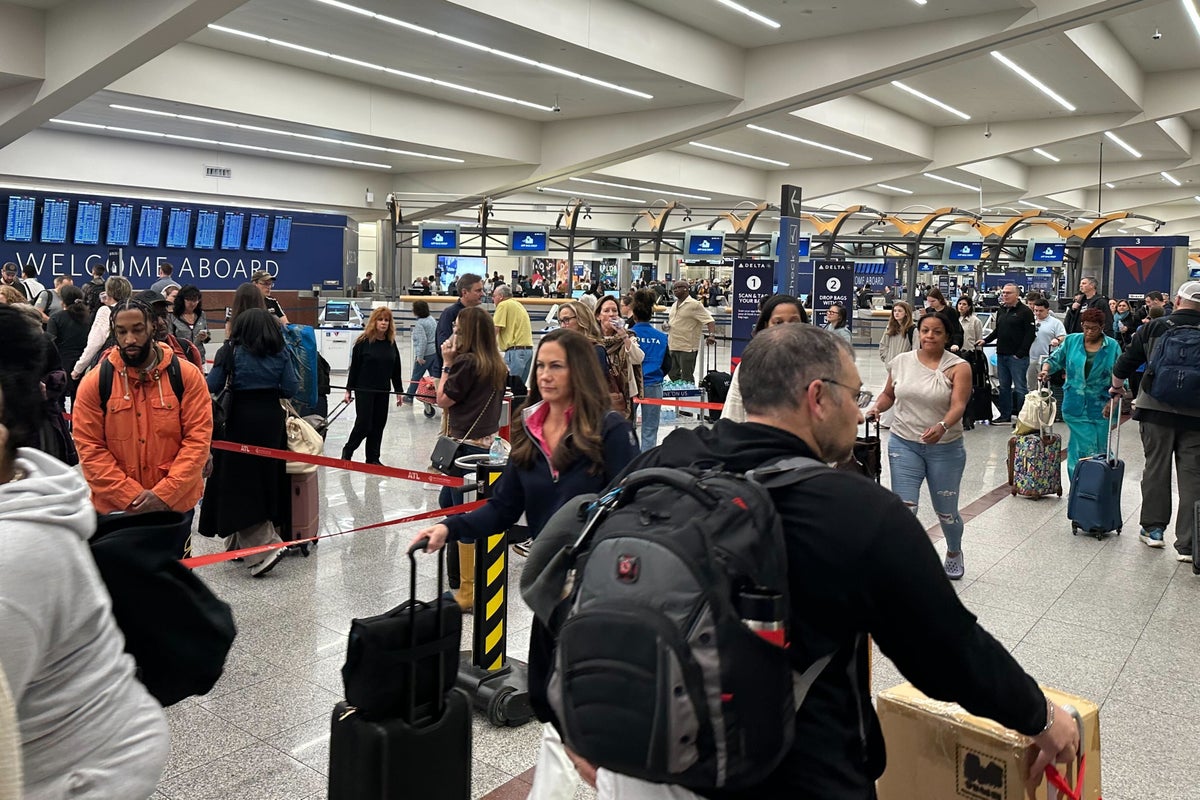
Checkpoint wait times have exceeded two hours at some major U.S. airports, with reports of four-hour security lines at Houston's George Bush Intercontinental. The partial government shutdown is straining TSA staffing, and travelers arriving more than three hours early are creating bottlenecks that have led to missed flights; John Glenn International recommends arriving 90 minutes before departure. This is an operational disruption that may pressure airline punctuality and customer satisfaction in the near term but is unlikely to move broader markets.
The knock-on effects here are operational rather than demand-driven: concentrated early arrivals create peak load spikes that degrade checkpoint throughput and cascade into higher missed-connection rates, manual rebookings, and irregular operations costs for network carriers. Those costs show up quickly in OOP customer-care spend, increased change-fee reimbursements and lower same-day-standby revenue — metrics that can depress near-term margins even if ticket volumes hold. Airport operators and concessionaires see mixed effects: parking and early-gate retail will get a one-off revenue bump while gate-area crowding and outbound delays can reduce aircraft utilization, a key driver of airline unit revenue. The critical catalysts are near-term and binary — resolution of federal staffing (funding) or rapid operational fixes (staggered arrival guidance, appointment slots or priority lanes) will reverse most of the pain within days-to-weeks; absent that, expect elevated ELAs and rebooking costs to persist through the spring travel peak.
AI-powered research, real-time alerts, and portfolio analytics for institutional investors.
Request DemoOverall Sentiment
mildly negative
Sentiment Score
-0.25
