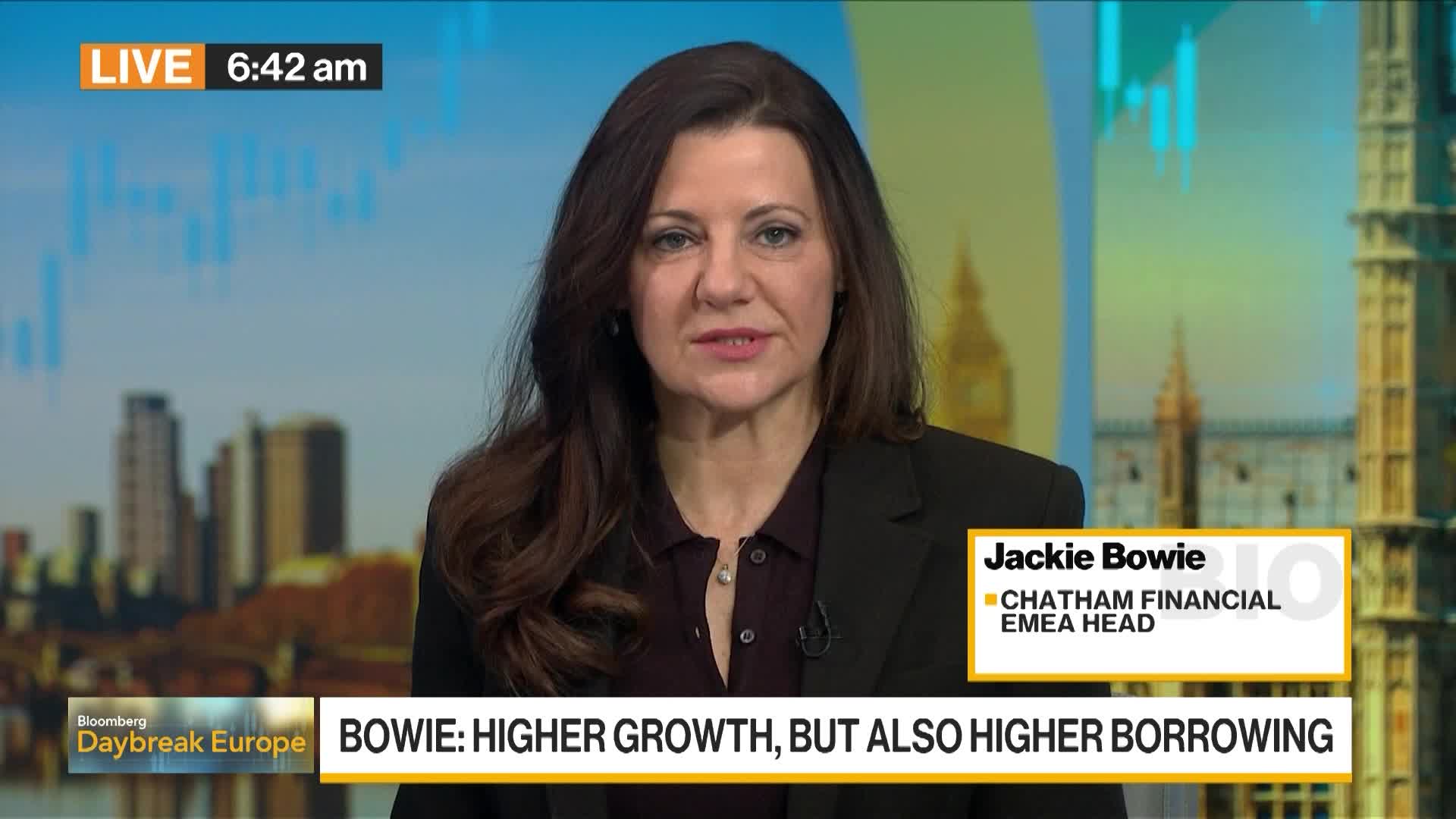
Chancellor's budget delivered an unexpected £22bn of fiscal headroom (vs ~£15bn pencilled in) but pushed most tax rises well into the future, prompting concerns the package is back‑loaded and may not shore up the fiscal position. The Office for Budget Responsibility cut 2026 growth to 1.4% from 1.9% and lowered medium‑term productivity assumptions, while measures that reduce cash ISA allowances and restrict salary‑sacrifice pension savings risk curtailing domestic savings and future investment; gilt investors saw only temporary relief amid volatility from an erroneous leak and lingering uncertainty about Bank of England rate cuts beyond December.
Market structure: The budget is a near-term relief event but structurally bearish for UK domestic demand — back‑loaded tax rises and cuts to ISA/salary‑sacrifice incentives reduce household savings and likely shave 0.2–0.5pp off domestic investment over 12–24 months. Winners: large multinational exporters and commodity producers (GBP headwind boosts foreign‑earnings in GBP); losers: UK domestic cyclicals, retail banks reliant on deposit growth, and pension/savings product providers. Gilt market: expect two‑way volatility — front end driven lower by likely Dec BoE cut, long end priced for higher term premium if fiscal plans are doubted.
Risk assessment: Tail risks include a sovereign rating downgrade or a political U‑turn (10–20% probability over 12 months) that could push 10y gilt yields +75–100bps and GBP -6–8%. Short horizon (days–weeks): volatility around OBR updates and Dec BoE meeting; medium (3–9 months): implementation risk of tax changes and election dynamics; long (12–36 months): persistent lower savings → structurally weaker trend growth and higher long yields. Hidden dependency: reduced household savings can tighten bank funding dynamics, elevating credit spreads without immediate GDP signals.
Trade implications: Tactical plays favor FX protection and curve positioning — buy GBP downside via 1–3 month puts and implement a 2s10s gilt steepener (long 10y, short 2y) anticipating front‑end easing and long‑end fiscal repricing; size 1–3% NAV per trade. Equity rotation: add 6–12 month exposure to FTSE multinationals (e.g., ULVR.L, DGE.L) and trim domestic discretionary/retail (e.g., NXT.L) and retail brokers (HL.L). Use options to cap drawdowns: buy put spreads on UK 10y futures to protect long‑dated exposure.
Contrarian angles: Consensus may underprice long‑term fiscal deterioration — short‑dated relief is likely temporary. If BoE cuts follow and fiscal credibility deteriorates, a classic steepener + GBP weakness will materialize; conversely, if the government credibly locks in tax rises, long gilts could rally 20–40bps and GBP strengthen 2–4% — prepare symmetric hedges. Historical parallel: 2010s UK productivity shocks show growth disappointment persists long after fiscal announcements, arguing for durable positioning in exporters and repriced UK real yields.
AI-powered research, real-time alerts, and portfolio analytics for institutional investors.
Request DemoOverall Sentiment
moderately negative
Sentiment Score
-0.50
