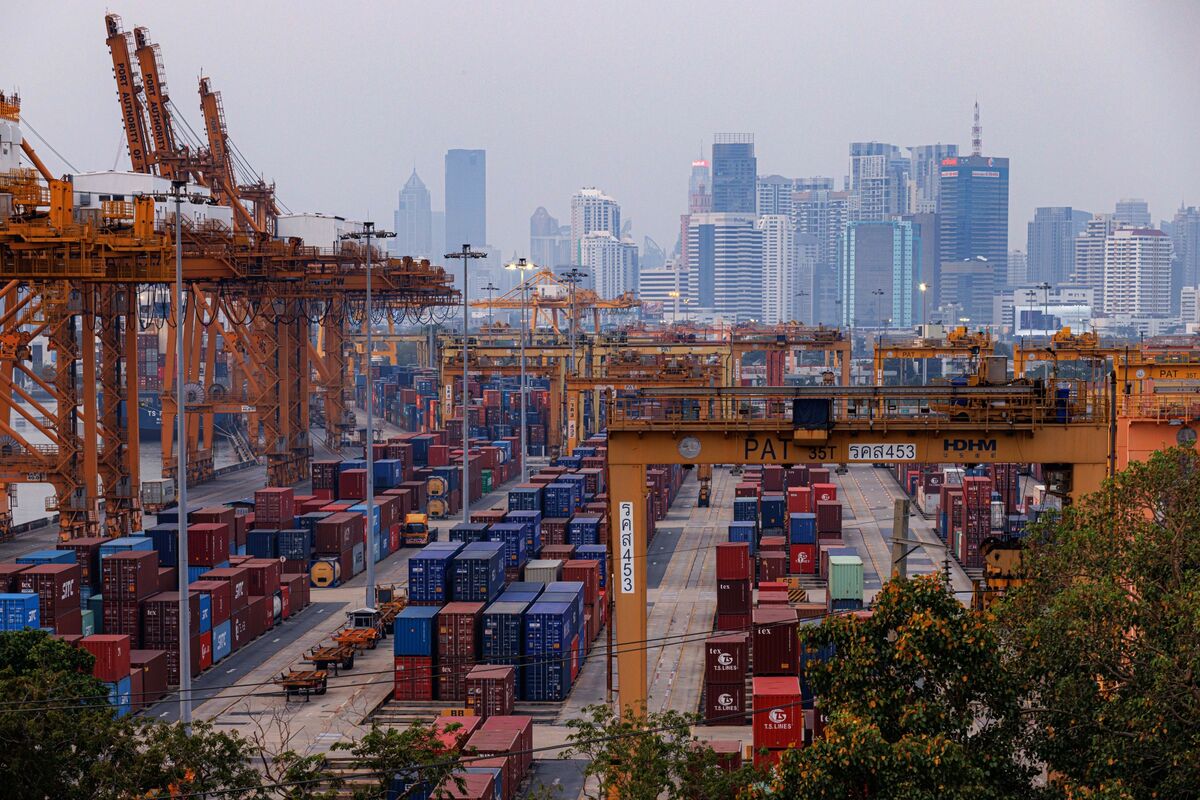
Thailand is proposing new trade concessions to the U.S., including increased market access for American farm and industrial goods, alongside higher purchases of energy and Boeing aircraft. This move aims to avert a threatened 36% U.S. export tariff and accelerate the reduction of Thailand's $46 billion trade surplus with the U.S. by 70% within five years, targeting balance in 7-8 years, a significantly faster timeline than prior offers.
Thailand is undertaking a significant diplomatic and economic maneuver to preempt a threatened 36% US tariff on its exports. The core of its proposal is an accelerated plan to reduce its $46 billion trade surplus with the US by 70% within five years, a more aggressive timeline than previously offered. This defensive strategy involves specific concessions, including opening its markets further to US agricultural and industrial products and committing to increased purchases of US energy and, notably, Boeing (BA) aircraft. This news carries direct implications for specific US sectors, signaling a potential boost in demand. For Boeing, the explicit mention of increased jet purchases represents a direct, positive catalyst for its order book. The overall tone is one of de-escalation, which, if successful, would remove a major uncertainty for companies reliant on the US-Thailand supply chain and avert a disruptive trade conflict.
AI-powered research, real-time alerts, and portfolio analytics for institutional investors.
Request DemoOverall Sentiment
mildly positive
Sentiment Score
0.25
Ticker Sentiment
