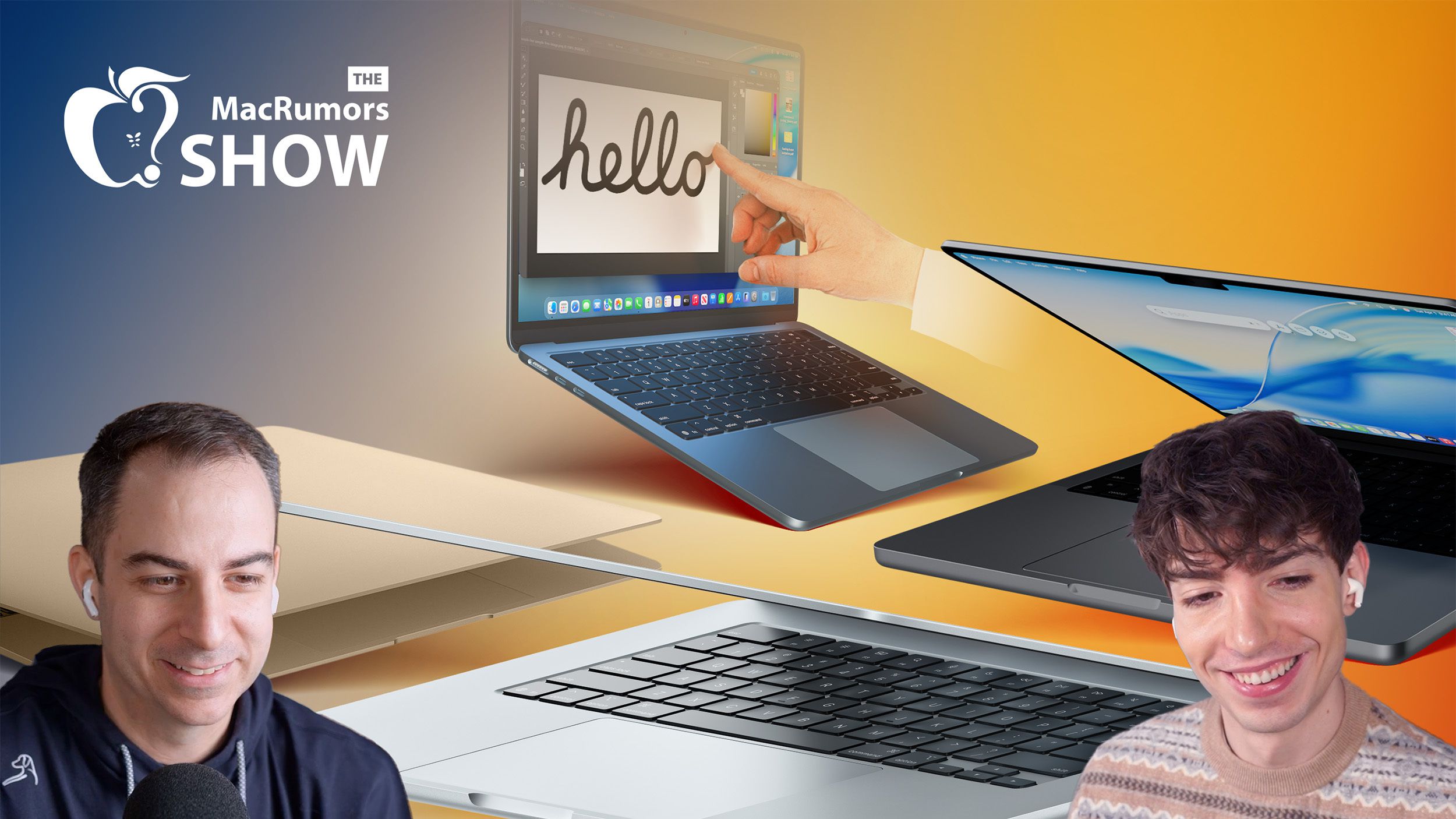
Apple is expected to imminently refresh high-end MacBook Pro models with M5 Pro and M5 Max chips—likely alongside macOS Tahoe 26.3—as current M4 Pro/Max inventory dwindles, signaling an impending announcement. The M5 series is then expected to roll out to MacBook Air, Mac mini and Mac Studio, while a new low-cost 13-inch MacBook powered by an A18 Pro (targeted price $699–$899) and late-year M6-series MacBook Pros with OLED, cellular and touchscreen features are also rumored; these product moves could modestly boost hardware unit demand and broaden price-segment exposure while warranting attention to inventory and supply-chain timing.
Market structure: Apple (AAPL) is the clear near-term winner — refreshed M5 Pro/Max MacBook Pros and a new low-cost A18 Pro laptop expand both ASP and unit TAM. Suppliers to watch are wafer fabs (TSM) and OLED/assembly chains for the later M6 OLED push; traditional PC OEMs (HPQ, DELL) face pricing pressure and potential share loss if Apple expands a <$900 laptop line. Inventory depletion of M4 models suggests a product announcement within 2–4 weeks, implying a concentrated demand shift into next quarter.
Risk assessment: Tail risks include a TSMC supply hiccup (factory outage) that could delay M5/M6 ramps, EU/US regulatory actions on Apple bundling, or weaker-than-expected consumer spending that reduces Mac upgrades. Immediate (days): announcement-driven IV spikes; short-term (weeks–months): sell-through and guide adjustments; long-term (quarters–years): margin mix shift if low-cost Mac dilutes Mac unit ASP by >5–10%. Hidden dependencies: iPhone cycle and component allocation can re-prioritize wafers away from Macs.
Trade implications: Favor tactical bullish exposure to AAPL ahead of the announcement — limited-risk call spreads (30–60 day) or small cash positions — and rotate out of traditional PC OEMs (HPQ/DELL) for 3–6 months. Consider a relative-value pair: long AAPL, short HPQ sized to net 1–2% portfolio exposure; add 1–2% exposure to TSM on dips for H2 2026 OLED/M6 demand. Use options to cap downside given event-driven volatility.
Contrarian angles: The market may underprice margin erosion from a sub-$900 MacBook (could cut Mac segment ASP by 3–7% if volumes shift), and overestimate the M6 timeline — OLED/cellular MacBooks are higher-latency bets (likely late 2026 or delayed). If sell-through after launch is tepid for 4–8 weeks, that contradicts the bullish narrative and should trigger rapid de-risking of event trades.
AI-powered research, real-time alerts, and portfolio analytics for institutional investors.
Request DemoOverall Sentiment
mildly positive
Sentiment Score
0.25
Ticker Sentiment
