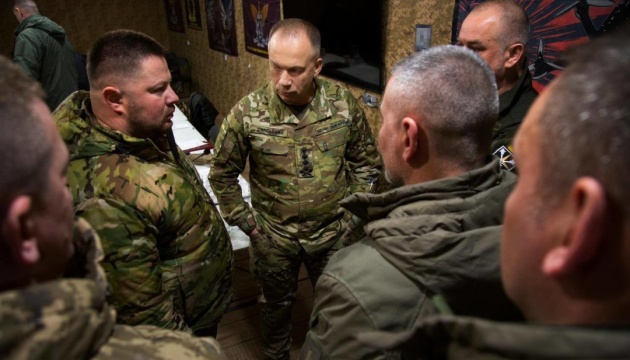
Ukraine’s Commander-in-Chief Oleksandr Syrskyi reported intensified Russian offensives in the Pokrovsk and Ocheretyne sectors, noting roughly 400 combat engagements over the past week and 138 engagements recorded on January 25; Ukrainian forces repelled 41 assaults in the Pokrovsk sector. Moscow is concentrating main efforts, pulling up reserves and using small infantry group advances, while Kyiv is prioritizing strike drones, unmanned systems and robotic logistics to detect, contain and destroy enemy formations. The update signals sustained frontline escalation and underscores continued demand-side support for defense-related capabilities while maintaining elevated regional geopolitical risk.
Market structure: Intensified fighting around Pokrovsk/Ocheretyne is a near-term demand shock for munitions, loitering/strike drones, electronic-warfare and logistics-robotics. Winners: large defense primes (RTX, LMT, NOC) for systems/orders and niche drone/robotics names (AVAV, KTOS, TDY) for tactical demand; losers: regional infrastructure, Ukrainian export logistics (grain/metals), and risk-sensitive sectors (airlines, travel). Elevated ordering can sustain 5–15% revenue uplift for contractors over 6–12 months if Western aid continues.
Risk assessment: Tail risks include escalation to energy-infrastructure strikes or NATO entanglement (low probability, high impact — oil +$10/bbl, EU gas +20% in days). Immediate (days): volatility spikes in FX/commodities and safe-haven flows; short-term (weeks–months): firming defense order books and supply-chain bottlenecks for semiconductors/actuators; long-term (quarters–years): structural shift to unmanned systems reducing recurring infantry equipment demand. Hidden dependency: continuing Western funding and microelectronics supply are binary catalysts.
Trade implications: Position thematically long U.S. defense exposure and niche drone/robotics players, hedged with gold and selective energy exposure if conflict escalates. Use options to buy convexity (3–6 month call spreads on AVAV/KTOS) to play upside while capping premium. Pair trades: long defense ETF/prime vs short airlines or EM risk-sensitive assets for 3–6 months; size defensively (1–3% portfolio per idea) and use stop-losses of 10–15%.
Contrarian angles: Consensus may underweight small-cap drone OEMs because of perceived execution risk; if Western contracts flow, these names can gap higher quickly — look for under-50% institutional ownership and recent insider buying as signals. Conversely, energy/gold knee-jerk rallies may be overbought absent strategic infrastructure hits; if Brent rallies >$10 in 72 hours without new escalation, expect mean reversion within 2–4 weeks.
AI-powered research, real-time alerts, and portfolio analytics for institutional investors.
Request DemoOverall Sentiment
moderately negative
Sentiment Score
-0.40
