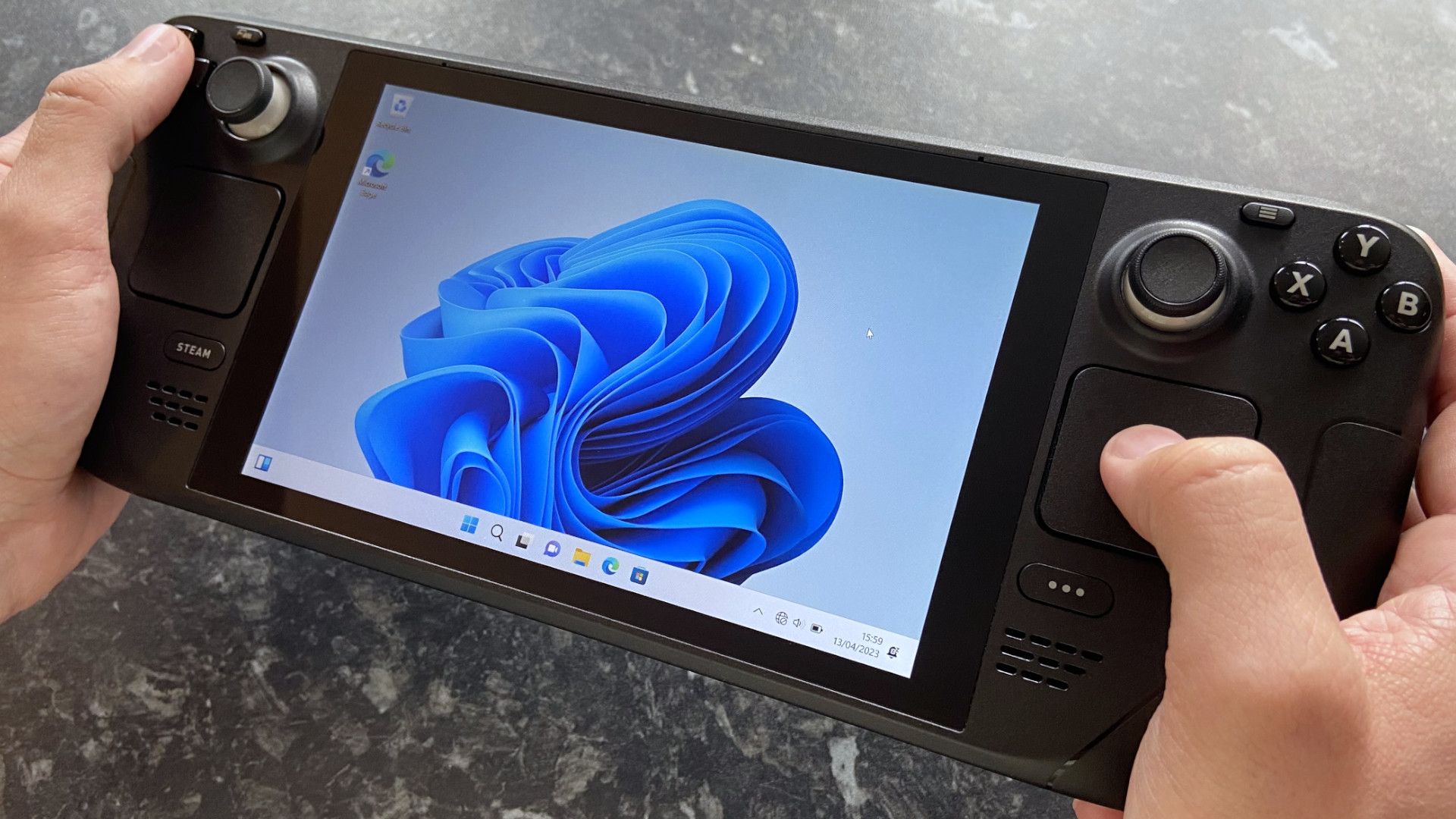
Microsoft said Windows 11 will receive gamer-focused system-level upgrades in 2026 — including background workload management, power and scheduling improvements, graphics stack optimizations and updated drivers — aimed at freeing system resources to boost game performance. The company plans to bring OS-level Auto SR upscaling to handheld PCs starting with the Xbox Ally X (using AMD’s Ryzen AI NPU) and expand Advanced Shader Delivery to more devices and storefronts to speed launches, smooth framerates and cut battery use. The initiatives are a clear response to Valve’s SteamOS/handheld push and signal Microsoft’s intent to position Windows as the primary, cross-ecosystem gaming platform, with implications for OEM handheld adoption and competitive dynamics in the PC/handheld gaming market.
Microsoft announced a multi-year program of Windows 11 system-level optimizations aimed at improving gaming performance, with specific pillars cited as background workload management, power and scheduling improvements, graphics stack optimizations and updated drivers slated for 2026. The company confirmed an earlier rollout next year of Auto SR (OS-level super resolution) to handheld gaming PCs, starting with the Xbox Ally X that uses AMD's Ryzen AI NPU, and plans to expand Advanced Shader Delivery (ASD) to more devices and storefronts to preload shaders, speed launches, improve frame rates and reduce first-run battery use.
Auto SR and ASD are significant because they remove developer-side integration friction and can deliver user-visible gains (sharper visuals, smoother framerates, faster first-loads) at the OS level, which improves Windows’ competitiveness versus Valve’s SteamOS and hand-held momentum driven by the Steam Deck. Microsoft explicitly frames this as a strategic response to Valve and as an effort to position Windows as the cross-ecosystem "best place to play."
Market signals show a mildly positive reception (sentiment_score 0.28, market_impact_score 0.3) with stronger per-ticker sentiment toward MSFT (0.5) and modestly toward AMD (0.3); material upside depends on execution, OEM adoption, developer/storefront integration and device shipment cadence, while execution delays or stronger SteamOS traction are the principal downside risks.
AI-powered research, real-time alerts, and portfolio analytics for institutional investors.
Request DemoOverall Sentiment
mildly positive
Sentiment Score
0.28
Ticker Sentiment
