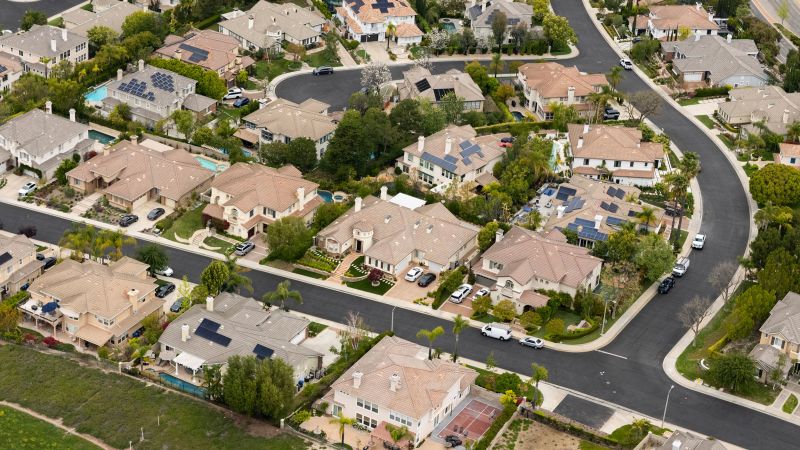
The "One Big Beautiful Bill" Act, intended to make the 2017 tax cuts permanent, includes housing-related tax changes with mixed implications; it expands the Low-Income Housing Tax Credit, potentially financing over 500,000 affordable rental homes, and raises the State and Local Tax deduction to $40,000, benefiting homeowners in high-tax states. However, a provision blocking regulation of rent-setting algorithms could favor landlords, while the bill's projected $2.4 trillion increase to the national debt may drive up interest rates and mortgage costs, offsetting some affordability gains.
The "One Big Beautiful Bill" Act, primarily focused on making the 2017 tax cuts permanent, carries significant, albeit mixed, implications for the U.S. housing market, which currently faces an estimated shortage of 4.5 million homes as of 2022 according to Zillow. Key housing-related provisions include an expansion and extension of the Low-Income Housing Tax Credit (LIHTC) through 2029, which Novogradac estimates could finance approximately 527,700 additional affordable rental homes between 2026 and 2035 by restoring a 12.5% increase in allocations and easing developer financing requirements. Concurrently, the bill proposes raising the State and Local Tax (SALT) deduction cap from $10,000 to $40,000, a move anticipated to benefit homeowners in high-tax states and, according to the National Association of Home Builders, support homebuilders. However, the legislation also includes a contentious provision that would preemptively block states from regulating rent-setting algorithms for a decade, a potential boon for companies like RealPage but a concern for 40 state attorneys general who warn of detrimental impacts on renters. Critically, the Congressional Budget Office projects the bill will add $2.4 trillion to the national debt over the next decade. Economists, including Andy Winkler of the Bipartisan Policy Center, caution this increased borrowing could translate into higher interest rates, subsequently elevating mortgage rates from their current levels near 7% and increasing construction costs, potentially negating some affordability measures. This overarching fiscal impact is considered by some analysts to be as, if not more, important than the specific housing provisions. Further complicating the outlook is the White House's separate 2026 budget proposal, which includes cuts to housing and community development programs, though these face opposition from groups like the National Housing Conference. The overall sentiment surrounding the bill's housing impact is mixed and cautious, reflecting these conflicting potential outcomes.
AI-powered research, real-time alerts, and portfolio analytics for institutional investors.
Request DemoOverall Sentiment
mixed
Sentiment Score
-0.05
Ticker Sentiment
