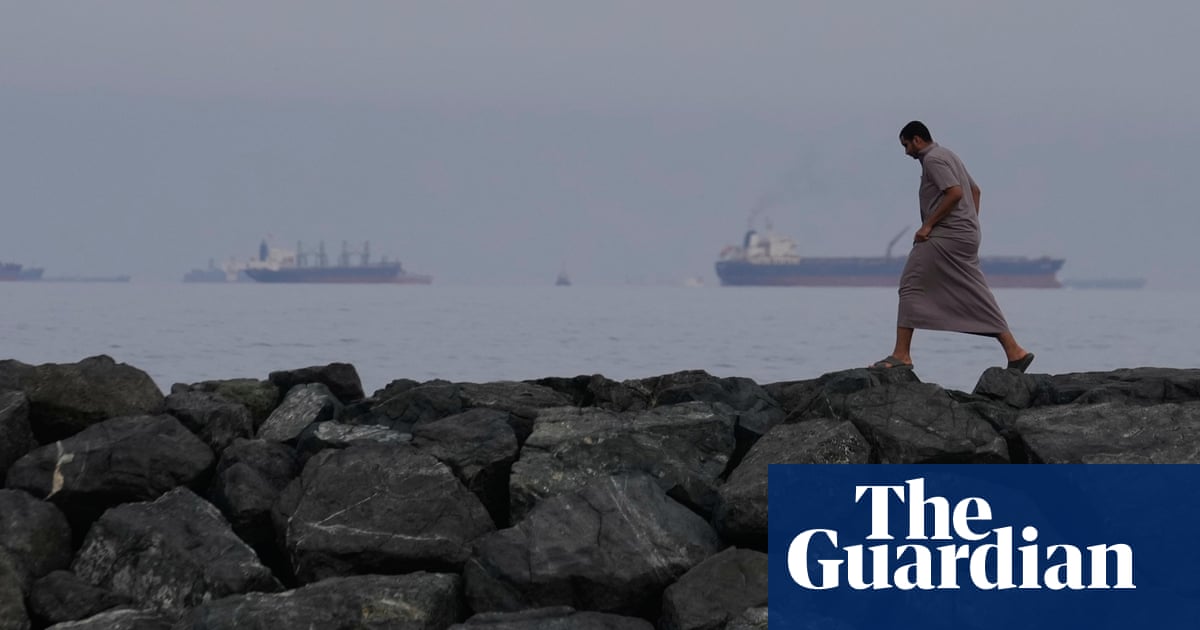
The Strait of Hormuz remains effectively constrained after Iran laid mines it now cannot locate or remove, with US officials saying clearing operations have only just begun. The chokepoint carries about one-fifth of global oil supply, and the closure has already sent fuel prices soaring, intensifying inflation pressure and the global energy crisis. The standoff also threatens ceasefire talks, keeping geopolitical and oil-market risk elevated.
The market is likely underpricing how little operational slack exists once a maritime chokepoint becomes a minefield rather than a conventional blockade. The first-order move is still higher crude and refined product prices, but the second-order effect is a broader air-pocket in global logistics: insurers re-rate war-risk premiums, tanker utilization falls, and charter rates can spike even for routes not directly touching the strait as owners avoid latent contamination risk. That creates a lagged inflation impulse that is more persistent than a one-day oil spike because it filters through freight, inventory financing, and replacement costs.
The key near-term winner is not just upstream energy, but any asset tied to scarcity optionality: LNG exporters with flexible destination clauses, non-Middle East barrels, and marine insurers with limited exposure hedges already in place. Losers extend beyond airlines and chemical producers into import-heavy retailers and industrials with just-in-time inventories; the hidden vulnerability is margin compression from working-capital drag, not simply higher fuel expense. If traffic remains intermittently constrained for weeks, expect an eventual decongestion trade in beneficiaries of rerouted flows, while Asia-facing refiners and petrochemical feedstock consumers take the first earnings estimate cuts.
The main reversal catalyst is diplomatic, not military: a credible demining corridor or a verifiable naval escort regime can collapse the risk premium faster than physical reopening. However, the contrarian issue is that “partial reopening” may be enough to relieve headlines while leaving enough residual threat to keep insurance and freight elevated for months, which would sustain inflation even if spot crude retraces. That means the asymmetry is less about one-time energy beta and more about a regime shift in transport costs and risk premia.
Near-term, the setup favors tactical longs in energy and defense over broad market exposure, but this is also a good environment to fade sectors with high pass-through lag and weak pricing power. If the ceasefire holds and clearing operations visibly advance, the hardest-hit assets should be the ones that rallied purely on panic rather than structural scarcity; if not, the next leg is likely in shipping, insurance, and global industrial margins rather than in oil alone.
AI-powered research, real-time alerts, and portfolio analytics for institutional investors.
Request DemoOverall Sentiment
strongly negative
Sentiment Score
-0.78
Ticker Sentiment
