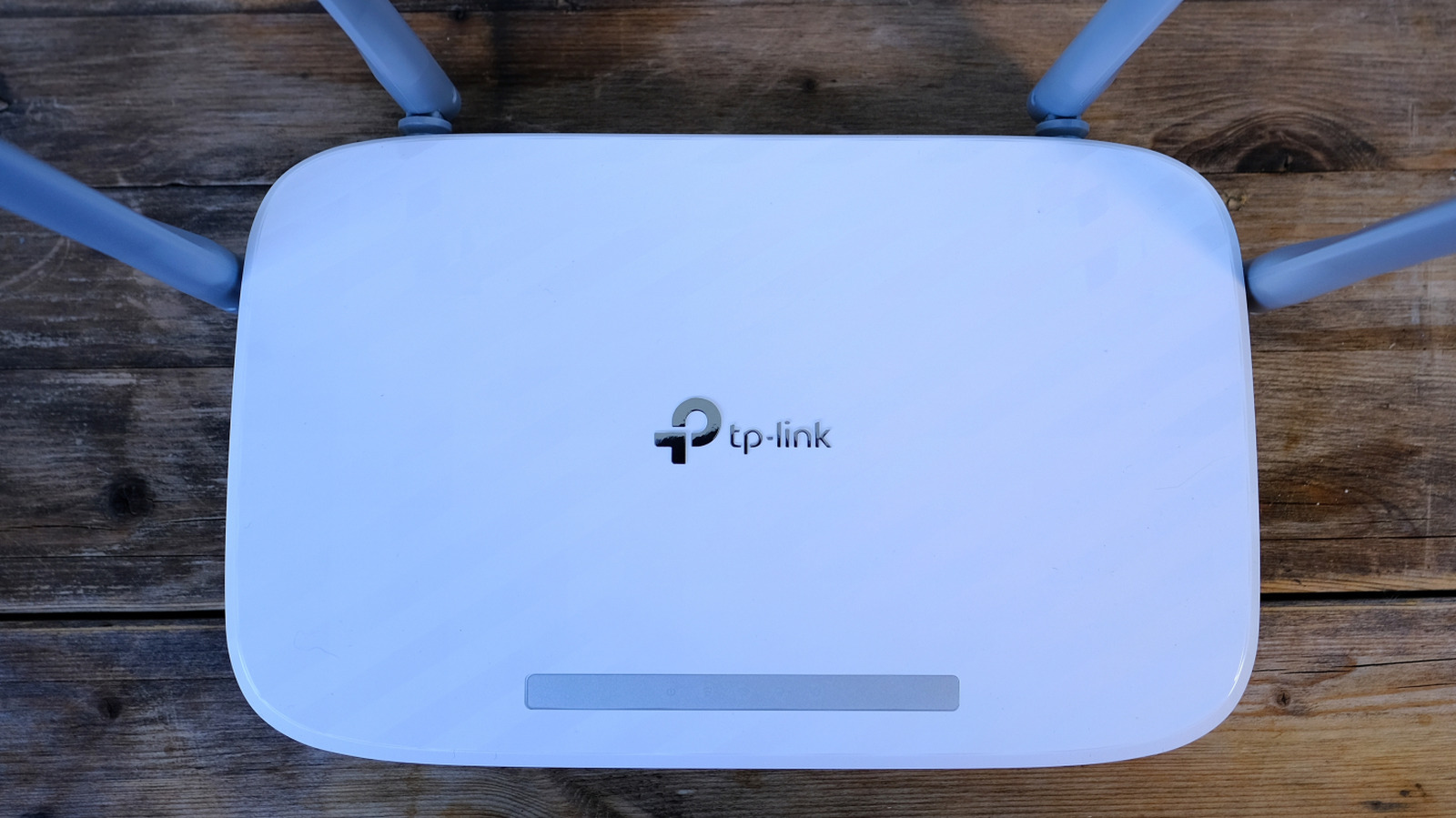
The FCC has enacted a blanket ban on the sale of foreign-made routers (targeting equipment made in or using components from China), restricting future imports and sales of affected models from vendors such as TP-Link, Google and Netgear. The action is not retroactive: consumers may continue using previously authorized routers and retailers may sell models already approved, and the FCC issued a waiver allowing software updates for existing equipment until March 1, 2027. The move follows security concerns (the FBI flagged 18 popular router models in March 2026) and creates potential near-term disruption to vendor sales and supply chains; ASUS says its lineup is unaffected, Netgear supports the ban, and TP-Link expects industry impact.
The regulatory shock acts less like a demand shock and more like a durable re-rating of supply-chain optionality in home and SMB networking. Expect a two-stage market response: an initial inventory-clearing phase that compresses ASPs and transfer of shelf-share, followed over 6–24 months by discrete winner-take-share gains for vendors with verifiable supply-chain provenance or effective software-led monetization. Software/service revenue and managed-SD-WAN add-ons will become differentiating profit pools — firms that can convert one-time hardware sales into annualized security or subscription fees will capture outsized economics.
Second-order winners include contract manufacturers and logistics providers able to pivot production outside choke-point geographies; losers are mid-tier OEMs lacking capital to retool. A sustained policy regime will force OEMs to either onshore tooling or prepay longer lead times — that raises unit economics by high-single-digit to low-double-digit percentage points for compliant producers and creates a multi-quarter bottleneck that could structurally lift prices for refurbished and enterprise-grade gear.
Key near-term catalysts: regulatory clarifications, large-scale vulnerability disclosures, and retail inventory burn rates (measurable in quarterly FBA/inventory days). Tail risks that reverse the trade include swift legal stays, rapid capacity build-out by third parties, or a pivot by consumers toward ecosystem lock-in (voice/assistant platforms) that preserves incumbents’ hardware economics despite supply constraints.
AI-powered research, real-time alerts, and portfolio analytics for institutional investors.
Request DemoOverall Sentiment
neutral
Sentiment Score
0.00
Ticker Sentiment
