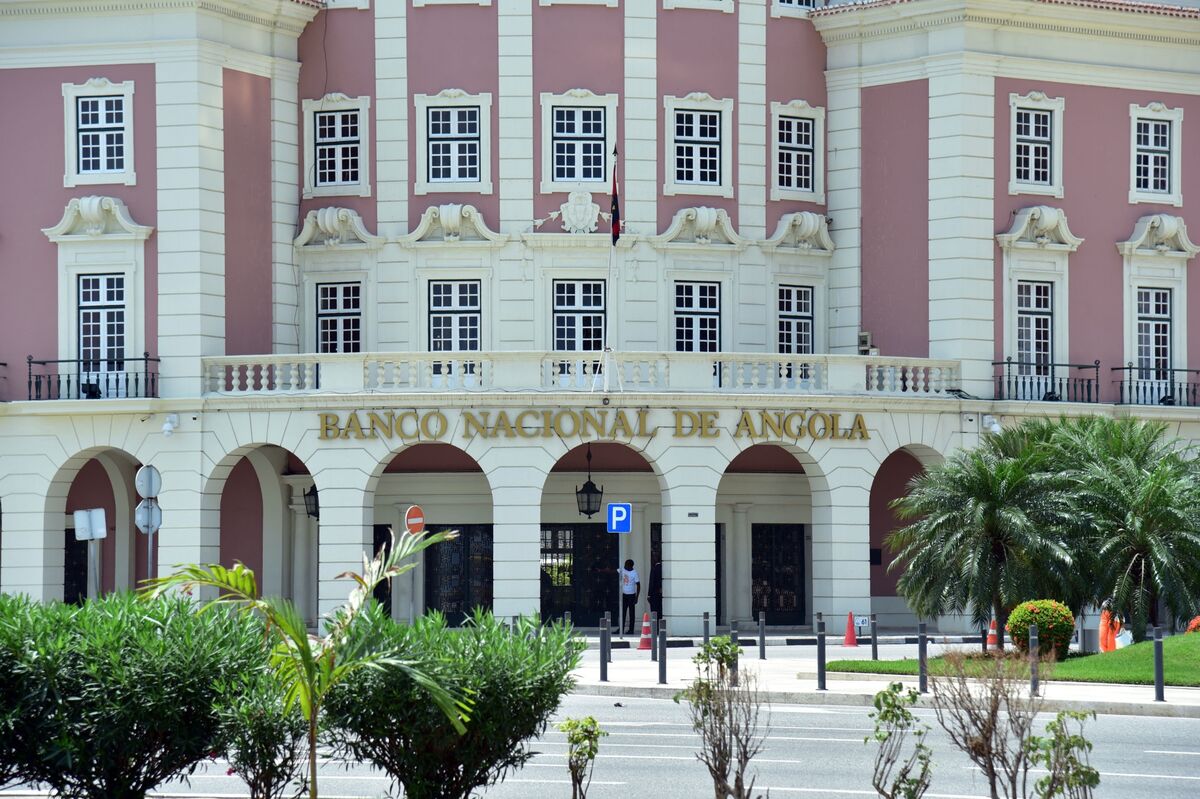
The IMF warned that demand for Angola’s bonds will cool if the Iran war drags on, as higher fuel, fertilizer, and food import costs would add inflation and exchange-rate pressure. The comments point to weaker capital-market appetite for Angolan securities and a tougher external financing backdrop for the sovereign. The risk channel is primarily via geopolitical spillover into import prices, inflation, and the kwanza.
This is less a single-country credit story than a latent liquidity shock to the higher-beta end of EM sovereign debt. Angola sits in the part of the market where marginal buyers are price-sensitive and benchmark constraints matter; when headline risk rises, the first response is usually not indiscriminate selling but a drying up of primary demand and wider concessions across frontier Africa. That makes the second-order effect more important than the immediate one: higher funding costs can force fiscal retrenchment, which then feeds back into growth, tax receipts, and refinancing risk over the next 3-9 months.
The more interesting transmission is through the import bill. Energy and food are the two channels that can turn a geopolitical event into a balance-of-payments problem, and Angola is exposed because the inflation impulse is likely to be sticky rather than transitory once it gets into transport and administered prices. If the currency weakens, local inflation can accelerate even if global commodity prices later stabilize, which means the market may underappreciate how quickly this morphs from a spread story into a domestic policy credibility story.
There is also a relative-value angle: any sovereign or quasi-sovereign issuer with similar external financing needs but less direct import exposure should outperform Angola on a risk-off tape. The market may be over-penalizing duration here if investors assume a straight line from Middle East tensions to default risk; the real timing window is closer to weeks for bond flows, but months for macro deterioration. A de-escalation in the conflict would likely compress spreads faster than inflation cools, creating an asymmetric rebound in the paper.
Contrarianly, the consensus may be too focused on oil as the only variable. If higher energy prices are paired with stronger hard-currency inflows for some commodity exporters, Angola could still see partial external stabilization even as domestic inflation worsens, limiting the downside in external debt. That argues for discrimination: the near-term trade is not a blanket short EM credit, but a targeted underweight to vulnerable frontier sovereigns versus better-positioned exporters or more liquid EM credits.
AI-powered research, real-time alerts, and portfolio analytics for institutional investors.
Request DemoOverall Sentiment
moderately negative
Sentiment Score
-0.45
