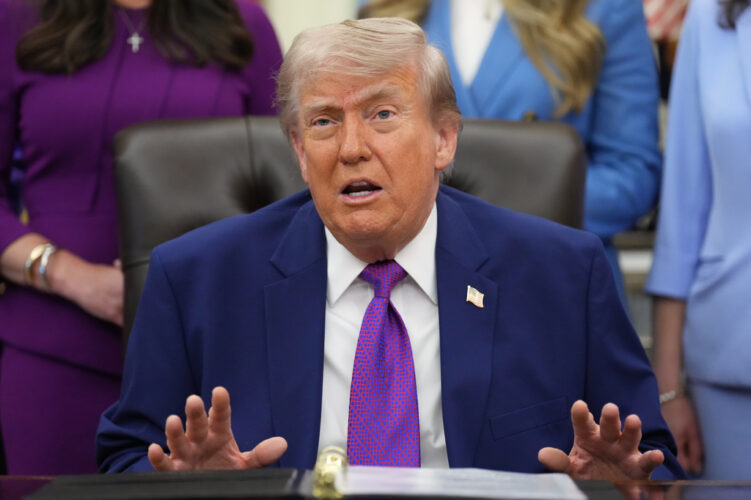
Trump said the Iran ceasefire is on "life support" after rejecting Tehran's latest proposal, while the Strait of Hormuz remains effectively constrained, keeping a major risk premium on global oil and gas flows. He also proposed suspending the U.S. federal gas tax of just over 18 cents per gallon for gasoline and 24 cents for diesel, but Congress would need to approve it. With fuel prices already above $4.50 a gallon and diplomacy stalled, the article points to continued upward pressure on energy markets and broader geopolitical risk.
This is less a binary ceasefire headline than a volatility regime shift: the market is now pricing a wider distribution of outcomes around a supply shock that can persist for weeks, not days. The key second-order effect is that even if no barrels are physically removed, the Strait’s impaired reliability forces refiners, shippers, and insurers to reprice transit risk immediately, which can tighten prompt crude and middle-distillate markets faster than headline production losses would suggest.
The biggest loser set is broader than energy consumers: tanker owners with exposed routes, marine insurers, global chemical producers, and European industrials that rely on just-in-time feedstock imports. U.S. upstream names benefit, but the more durable trade is in logistics bottlenecks and freight insurance spreads; once charterers re-route or demand war-risk premiums, those costs can linger for a quarter or more even if diplomacy improves. The fiscal gas-tax idea is noise relative to the move in pump prices and would mostly cap consumer pain at the margin, not reverse it.
The most interesting contrarian angle is that the market may be underestimating diplomatic exhaustion. If Beijing leans on Tehran to preserve oil flow, you could get a fast de-escalation without a comprehensive settlement, which would be bearish for the front of the curve but still leave a higher geopolitical risk premium embedded in longer-dated energy contracts. That argues for expressing the view through convexity rather than outright directional beta, because the base case remains headline-driven and highly reversible.
For the named CIA exposure, the implied hit is limited and already discounted; the larger implication is for defense/intelligence spend rather than contractor revenue. A sustained standoff would reinforce budget support for cyber, surveillance, and regional posture, but those are multi-quarter budget effects, not immediate earnings revisions.
AI-powered research, real-time alerts, and portfolio analytics for institutional investors.
Request DemoOverall Sentiment
strongly negative
Sentiment Score
-0.72
Ticker Sentiment
