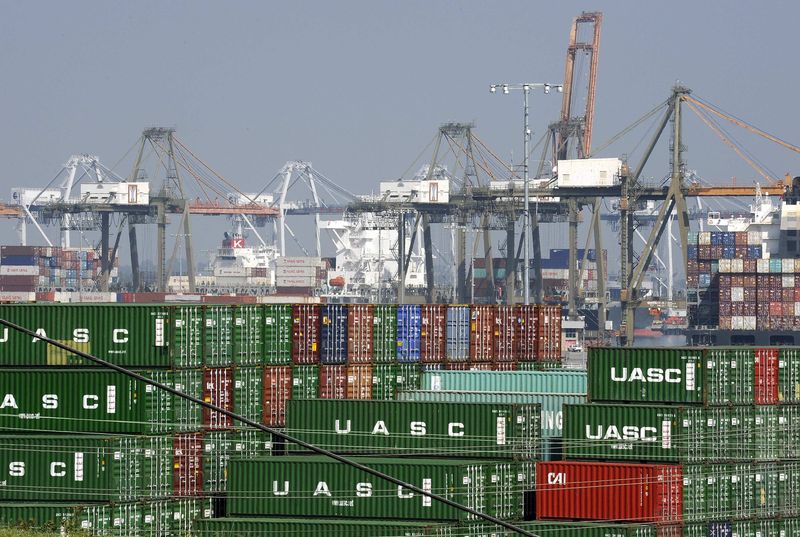
Australia posted an unexpected A$1.84 billion trade deficit in March versus a A$4.25 billion surplus expected, reversing from a A$5 billion surplus in February. Exports fell 2.7% month-on-month on weaker shipments of metal ores, coal and sugar, while imports jumped 14.1% as capital goods surged, including a 204% rise in automated data processing equipment tied to AI demand. The data is mildly negative for Australia’s growth and external balance, but the market impact is likely limited.
The cleanest read-through is not macro Australia, but capex intensity in the AI supply chain. A surge in imported computing equipment suggests the bottleneck is shifting from model demand to physical deployment, which is constructive for hardware assemblers, power infrastructure, and thermal management vendors rather than the hyperscalers themselves. That tends to be a 3-12 month revenue tailwind with the strongest second-order effect in names that can ship fast and take share when customers front-load AI capacity.
The commodity side is more nuanced. Softer ore and coal shipments imply weaker near-term support for miners and bulk freight, but the simultaneous rise in fuel imports and refinery disruption points to a temporary energy logistics squeeze rather than a demand collapse. If that persists, regional fuel crack spreads and storage economics improve before broad macro weakness shows up, which can create a short-duration trade in energy logistics and a headwind for industrial diesel consumers.
For SMCI and APP, the market likely still underestimates how much of the AI spend is still in the ordering phase versus the revenue-recognition phase. If import data are a leading indicator, the next leg is not just better top-line prints but improved utilization and pricing power across the supply chain, especially for rack-scale infrastructure and ad-tech platforms monetizing AI-driven engagement. The contrarian risk is that this is pull-forward demand: if enterprise budgets were accelerated into one quarter, the next one could disappoint even while the secular trend remains intact.
Near term, this setup favors buying dips in high-beta AI hardware rather than chasing momentum after every headline. The risk/reward is asymmetric if you can define downside with options, because a 10-15% correction in hardware names would likely require evidence that capex is rolling over, not just that trade balances are normalizing. The main reversal catalyst is a sudden tightening in funding conditions or a deceleration in cloud capex commentary over the next 1-2 earnings cycles.
AI-powered research, real-time alerts, and portfolio analytics for institutional investors.
Request DemoOverall Sentiment
mildly negative
Sentiment Score
-0.15
Ticker Sentiment
