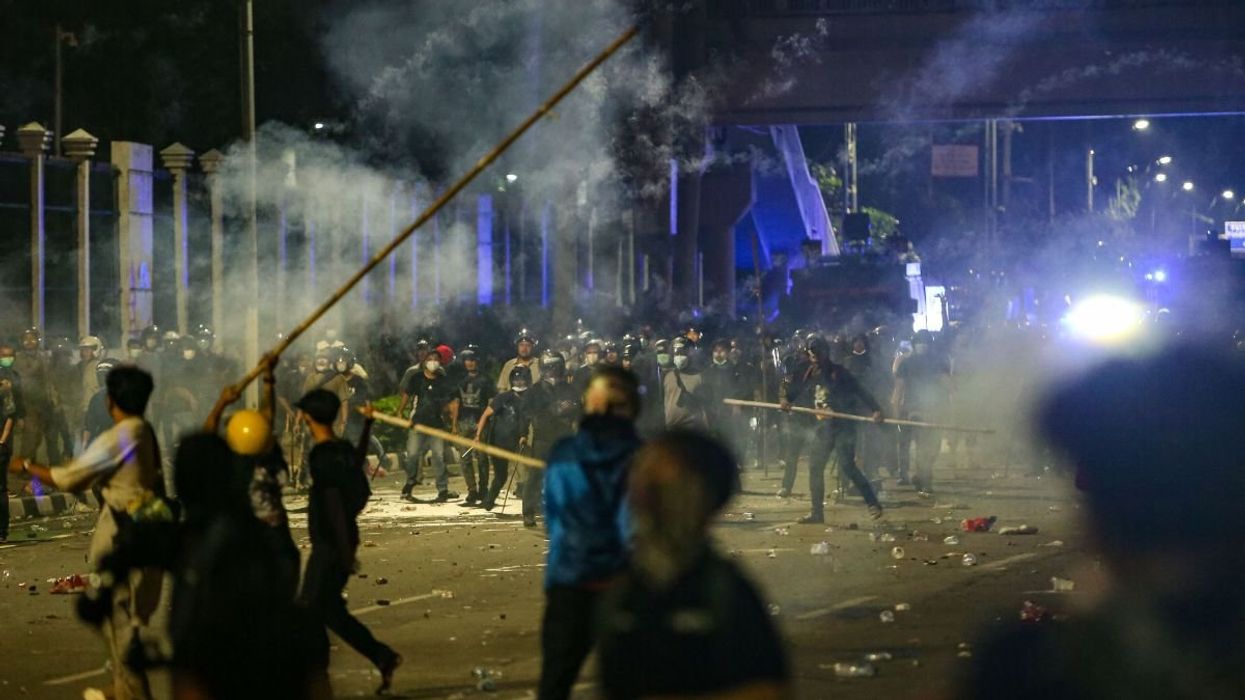
Escalating youth-led protests across South and Southeast Asia, fueled by widespread discontent over corruption, economic stagnation, and elite privilege, are significantly destabilizing the region. This internal turmoil exacerbates existing political crises and, critically, weakens the region's collective foreign policy and economic bargaining power. Consequently, individual nations face diminished leverage when negotiating with global powers like the U.S. and China, posing substantial economic and geopolitical risks due to a lack of coherent regional unity.
Significant political and social unrest is escalating across South and Southeast Asia, notably in Indonesia, Nepal, and Timor-Leste, driven by youth-led protests against government corruption and economic hardship. These events are not isolated incidents but add to a pattern of regional instability, including recent political crises in Thailand and the Philippines and the ongoing civil war in Myanmar. The core issue, as highlighted by the Council on Foreign Relations, is that this internal turmoil is diverting national attention away from collective regional policy. This breakdown of cohesion critically weakens the region's unified bargaining power in global affairs. As a result, individual nations are forced into less advantageous one-on-one negotiations with economic superpowers like the United States and China, undermining their ability to collectively negotiate trade agreements or resist punitive measures like tariffs, thereby elevating geopolitical and macroeconomic risks for the entire bloc.
AI-powered research, real-time alerts, and portfolio analytics for institutional investors.
Request DemoOverall Sentiment
strongly negative
Sentiment Score
-0.60
