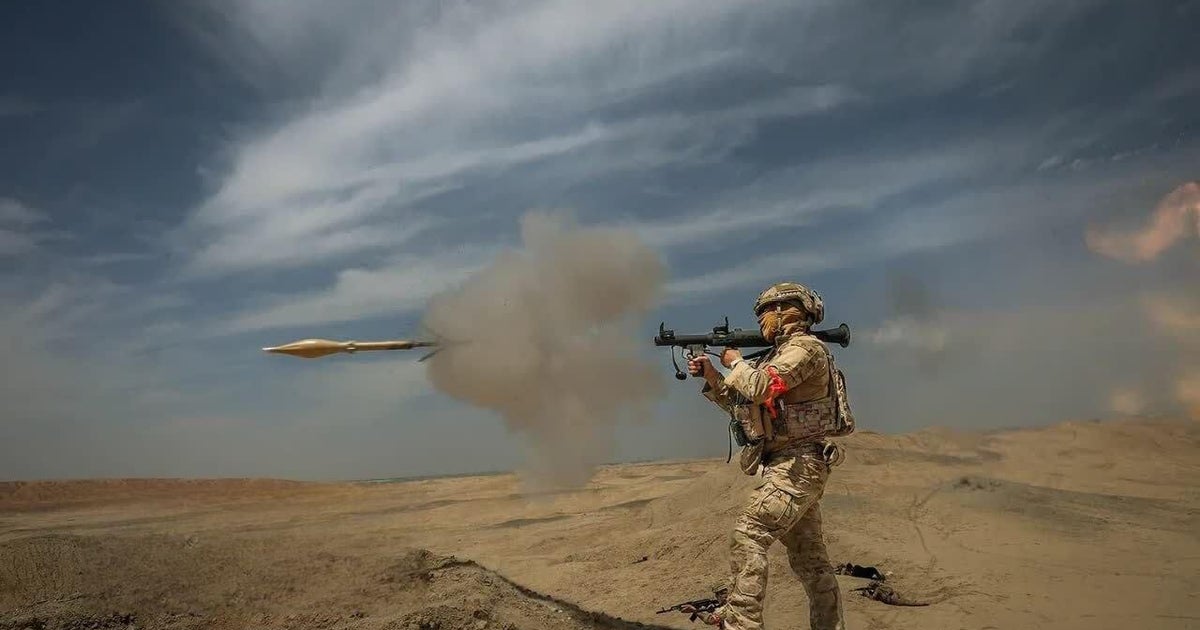
The article centers on heightened Middle East conflict and renewed claims over the Strait of Hormuz, a chokepoint through which about 20% of global oil normally flows. Trump said the U.S. controls the strait and that Iran’s military has been “wiped out,” while Iran’s foreign minister said the ceasefire is shaky but open to diplomacy; U.S. CENTCOM said Iran’s ability to threaten shipping has been significantly degraded, with more than 90% of its 8,000 naval mines destroyed. The situation remains highly destabilizing for oil, shipping, and insurance markets, with continued risk of disruptions despite a temporary ceasefire.
The market is still underpricing how quickly a “military de-risking” narrative can turn into a shipping/insurance rerating. Even if physical disruptions stay limited, perceived control of a chokepoint matters because insurers, charterers, and commodity traders reprice on worst-case route integrity long before volumes actually stop. That means the first-order trade is not crude beta alone; it is the persistence of elevated freight, war-risk premia, and inventory hoarding across the full Asian import chain. The biggest second-order winner is not obvious energy producers but firms with pricing power over transport, storage, and compliance. Tanker rates, port logistics, and marine insurers should retain a volatility premium as long as the ceasefire is seen as reversible; meanwhile refiners and chemical users outside the Gulf are exposed to margin compression if feedstock differentials widen while product demand remains weak. If the Strait remains technically open but de facto “disciplined” by tolling, checkpoints, or selective harassment, the market can get stuck in a slow-burn dislocation that is more bearish for global cyclicals than a brief headline spike. The key catalyst window is days, not months: any confirmation of renewed strikes, mine-laying, or attacks on proxy targets would extend the risk window and force another leg higher in freight/energy volatility. The reverse catalyst is diplomatic convergence between Washington, Beijing, and Gulf states, which would compress the premium quickly because the market is trading trust rather than verification. The contrarian miss is that a militarily weakened Iran can still be commercially disruptive; you do not need closure of the strait to create enough uncertainty to impair throughput and raise effective import costs.
AI-powered research, real-time alerts, and portfolio analytics for institutional investors.
Request DemoOverall Sentiment
moderately negative
Sentiment Score
-0.45
