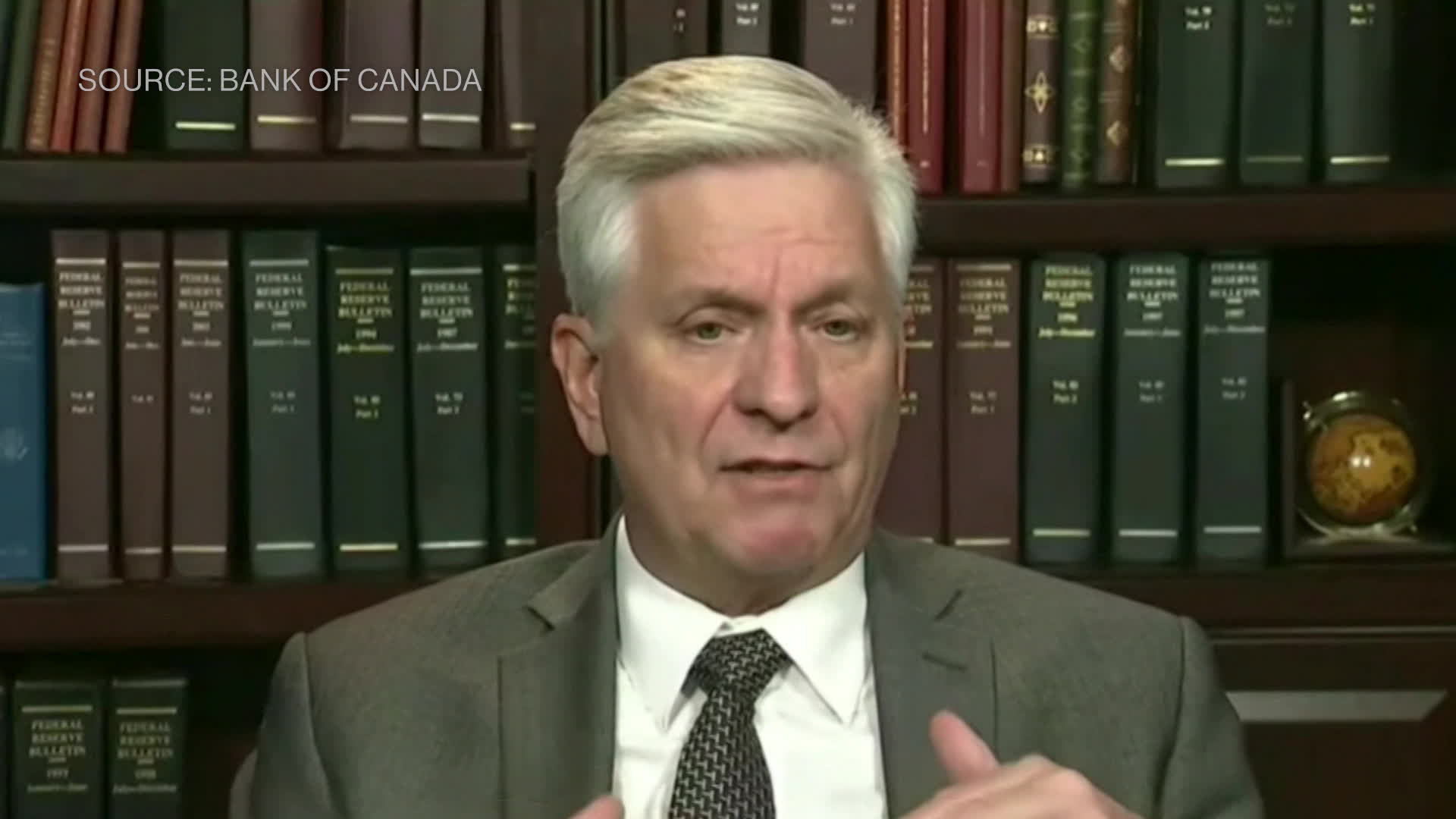
Federal Reserve Governor Christopher Waller stated at the Bank of Canada 2025 Annual Economic Conference that he is not significantly concerned about stablecoins posing a threat to the Federal Reserve's monetary policy objectives.
Federal Reserve Governor Christopher Waller publicly stated at the Bank of Canada 2025 Annual Economic Conference that he does not view stablecoins as a significant threat to the Federal Reserve's monetary policy objectives. This direct assessment from a senior Fed official provides clarity on the central bank's current perspective regarding digital assets' systemic impact.
Waller's stance suggests a reduced immediate regulatory urgency from the Fed's monetary policy perspective, potentially easing concerns within the crypto and digital assets sector. The "mildly positive" sentiment (0.25) and "low to moderate" market impact (0.35) reflect this perception of reduced systemic risk. This indicates that the Fed currently perceives stablecoins as having limited influence on broader economic conditions or interest rate mechanisms.
While not a threat to monetary policy, this statement does not preclude other regulatory or supervisory concerns related to stablecoins, such as consumer protection, financial stability, or illicit finance. Investors should interpret this as a specific assessment of monetary policy impact, not a blanket endorsement or a signal of complete regulatory hands-off approach.
AI-powered research, real-time alerts, and portfolio analytics for institutional investors.
Request DemoOverall Sentiment
mildly positive
Sentiment Score
0.25
