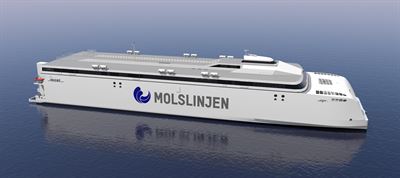
Wärtsilä has been selected to supply a fully integrated battery-electric propulsion system with waterjets for the third Incat-built high-speed catamaran for Danish operator Molslinjen, marking a repeat order in a three-ship series. Each 129m x 30.5m ferry will carry up to 1,483 passengers and 500 cars for the Kattegat route, with Wärtsilä providing DC power conversion, energy management and automation, eight electric propulsion motors, and the ProTouch control system; equipment delivery is scheduled for 2027 and the vessels will join the fleet in 2027–2028. The deal underscores demand for decarbonisation solutions in ferry operations and reinforces Wärtsilä’s positioning in marine electrification (Wärtsilä reported EUR 6.4bn net sales in 2024).
Market structure: This order reinforces a growing niche: battery-electric high-speed ferries where integrated propulsion suppliers (lead: WRT1V - Wärtsilä) capture system, software and aftersales revenue while shipyards (Incat, private) gain premium margins on green vessels. Expect 5–10% incremental TAM growth for electric marine propulsion suppliers by 2027 in Europe/North America routes; traditional marine-engine OEMs face margin erosion on replacement cycles and lower aftermarket service revenue. Downstream demand lifts adjacent markets: port chargers, grid upgrades and high-power battery cells (estimated ~10–20 MWh per vessel; three ships = ~30–60 MWh demand), tightening niche battery and copper demand curves regionally.
Risk assessment: Tail risks include regulatory backpedaling on port electrification subsidies, battery safety recalls, or grid-connection bottlenecks that delay deliveries by 6–24 months; a single large accident could trigger fleet-wide inspections and order cancellations. Immediate (days–weeks): limited move in equities; short-term (months): tender wins and orderbook announcements will re-rate suppliers; long-term (2–5 years): structural shift in marine aftermarket revenues and capital-intensity of ports. Hidden dependencies: port utility upgrades, local permitting and vessel charging standards; supply-chain concentration in high-power cells is a 2nd-order choke point.
Trade implications: Primary direct play is long WRT1V (exposure to integrated systems and services) and selective longs in ABB (ABB.N) or KOG.OL for electric drivetrain and automation exposure; small long in copper (e.g., COPX) or LME contracts to capture battery metal demand. Use options to define risk: buy 12-month WRT1V call spreads (sell higher strike) to express upside; rotate capital from legacy marine engine names and bunker-fuel service providers over 6–18 months into electrification winners.
Contrarian angles: Consensus understates implementation friction — grid/port upgrades and certification will stagger rollouts, creating uneven regional winners and losers and protecting incumbents with service networks. Market may be underpricing the aftermarket revenue loss for diesel engine makers (2–4% EBIT impact over 3 years) while overvaluing near-term battery-material demand (ships are small share vs. autos). History: shore-power adoption accelerated only after regulation and port fees aligned; catalyst sequencing—not technology—is the gating factor.
AI-powered research, real-time alerts, and portfolio analytics for institutional investors.
Request DemoOverall Sentiment
moderately positive
Sentiment Score
0.40
