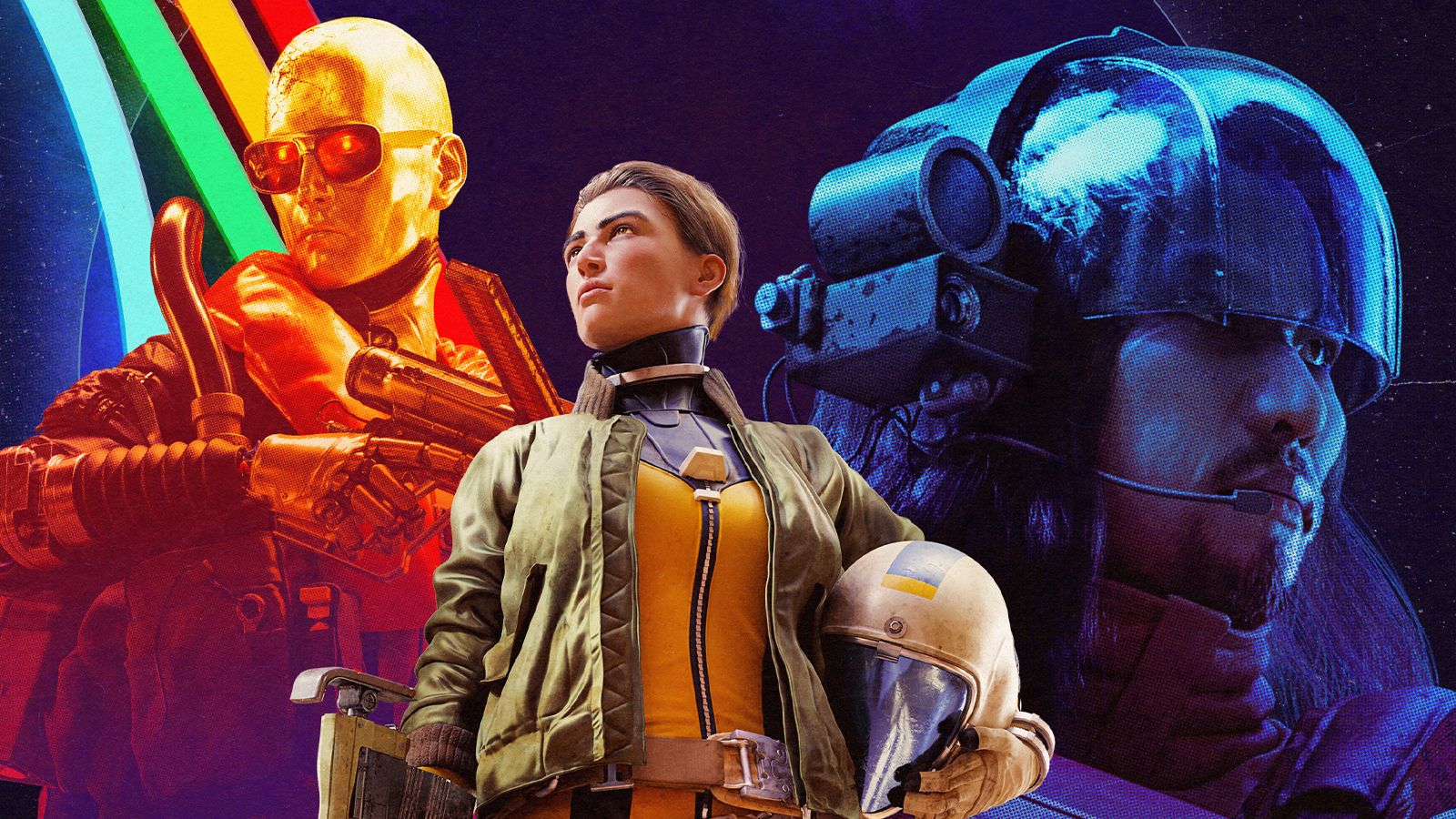
With Grand Theft Auto VI pushed back to Nov. 19, 2026, 2025 proved a holding year for the games industry that instead highlighted structural shifts: AA and indie titles (notably Clair Obscur: Expedition 33 and Hollow Knight: Silksong) captured critical acclaim and creative differentiation while big-budget annual franchises showed fatigue and live-service projects faltered (Sony cancelled Concord and several other titles). Generative AI became deeply embedded across development—used by Ubisoft (Teammates), EA and Krafton—raising efficiency gains but also reputational risk from perceived “AI slop,” VR remains niche absent cheaper, more comfortable hardware, and nostalgia-driven remakes and retro hardware sustained consumer demand. For investors, the market signals are clear: creative, lower-cost development models and platform winners (Nintendo’s Switch 2 performing well) may outperform bloated live-service strategies even as industry-wide layoffs and consolidation continue to shape cost structures and M&A/PE interest.
Rockstar Games' confirmation that Grand Theft Auto VI is delayed until 19 November 2026 left 2025 a holding year for the industry and amplified structural shifts away from blockbuster-driven narratives. AA and indie titles — notably Clair Obscur: Expedition 33, Hollow Knight: Silksong, Rebellion’s Atomfall and Hades II — dominated critical conversation for distinctive art direction and personality, while Nintendo’s Switch 2 enjoyed a successful, if premium-priced, launch that positions first-party software and cross-platform support as key catalysts.
Generative AI moved from experimental to mainstream in development workflows, with Clair Obscur and ARC Raiders using it and Ubisoft unveiling Teammates built around gen‑AI; EA and Krafton also reported heavy investment, raising efficiency prospects and reputational risk from so-called "AI slop," exemplified by accusations aimed at Call of Duty: Black Ops 7. VR produced notable titles such as Alien: Rogue Incursion and Midnight Walk but remains constrained by headset comfort, cost and lack of a killer app.
Annual franchises and live-service models showed strain: EA Sports FC 26 issued a mea culpa, Call of Duty: Black Ops 7 met a lukewarm reception, and Sony cancelled Concord plus seven other live-service projects, while layoffs and studio closures at Ubisoft, Amazon Games, 2K, Funcom and Square Enix continued. These dynamics support a rotation toward lower-cost creative development, selective platform exposure (eg, Nintendo), and potential M&A/PE-driven consolidation as industry participants reprice risk and capacity.
AI-powered research, real-time alerts, and portfolio analytics for institutional investors.
Request DemoOverall Sentiment
mildly negative
Sentiment Score
-0.25
Ticker Sentiment
