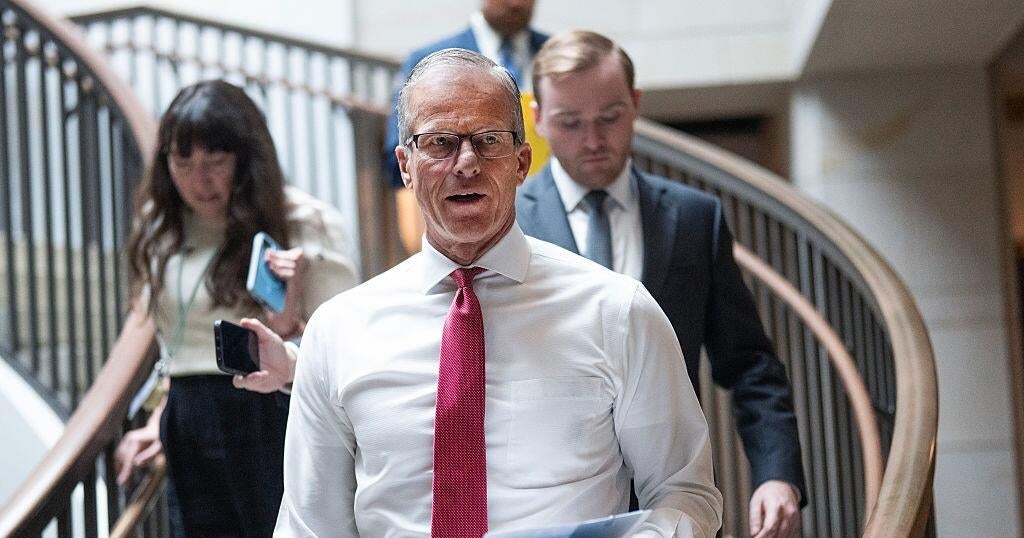
The Senate failed to advance a Department of Homeland Security funding measure in a 50-45 vote (short of the 60-vote threshold), leaving the government 11 days into a partial DHS-related shutdown as negotiations over ICE and CBP reform stall. The lapse in funding affects agencies including FEMA, TSA and the Coast Guard, with most essential workers continuing to work but facing partial paychecks and disruptions to services such as Global Entry and congressional courtesy escorts; TSA PreCheck was briefly suspended then reversed. The impasse is driven by Democrats’ demands for broad ICE reforms (judicial warrants for arrests, independent investigations, limits on sensitive locations) and Republican/White House resistance, creating policy uncertainty that may strain sectors tied to federal operations and travel.
Market structure: The immediate winners are defensive assets (Treasuries, large-cap defense/tech contractors) and providers of border/security software; losers are short-cycle travel & airport services (airlines, airport retail, TSA-dependent ancillaries). Expect a 2–8% hit to regional/low-fare carriers’ operating receipts over 2–6 weeks from partial paychecks, PreCheck/Global Entry pauses and higher perceived travel friction; larger network carriers are more resilient.
Risk assessment: Tail risks include a prolonged shutdown (>30 days) that delays DHS contract awards and supplier payments, causing 5–15% revenue risk for small government contractors and potential spotlight-driven regulatory changes that raise compliance costs for ICE/CBP contractors. Near-term (days) operational risk centers on TSA disruptions; short-term (weeks) is cashflow stress for DHS-dependent SMEs; medium-term (3–12 months) is policy-driven reallocation of DHS spend after any reform package.
Trade implications: Tradeable edges are short travel exposure and long rate/quality defensives. Expect safe-haven flows to compress 10Y yields by ~10–30bps in event-driven risk-off; option volatility for airlines should spike 25–60% on travel-disruption headlines, creating opportunities for put spreads. Smaller DHS suppliers and regional airport services are the most levered to funding gaps; large-cap defense and border-tech names have asymmetric upside if reforms drive increased tech/oversight spend.
Contrarian angles: The market’s binary view (shutdown = uniform government pain) misses that ICE/CBP were separately funded last year — enforcement continuity reduces systemic risk to border-tech revenue this month. Short-term market fear likely overstates airline earnings hit; high-quality carriers (e.g., UAL) that can flex capacity may be oversold and worth buying on a >12% drawdown, while small carriers and travel ETFs (JETS) show true downside leverage.
AI-powered research, real-time alerts, and portfolio analytics for institutional investors.
Request DemoOverall Sentiment
moderately negative
Sentiment Score
-0.40
