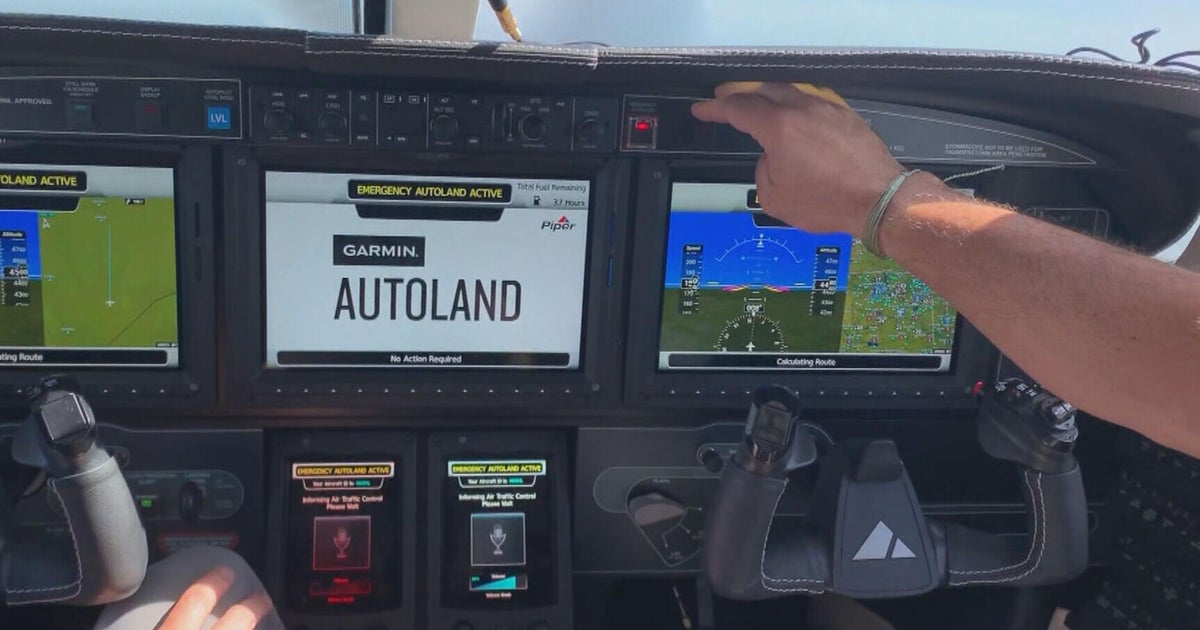
A Beechcraft Super King Air (tail N479BR) experienced loss of pressurization and pilot incapacitation on Dec. 20, triggering Garmin's emergency 'Autoland' system — reportedly the first real-world activation — which autonomously landed the aircraft safely at Rocky Mountain Metropolitan Airport in Broomfield, Colorado at about 2:20 p.m.; two people were on board and the FAA is investigating. The incident provides a real-world validation of Garmin's 2019 Autoland technology and could accelerate regulatory acceptance and demand for automated safety systems in general aviation, offering reputational upside for avionics suppliers while exerting limited near-term market impact.
Market structure: Garmin (GRMN) is the clear short‑term winner — demonstrated real‑world proof reduces sales friction for Autoland retrofits and OEM integrations. Expect a visible aftermarket retrofit TAM concentrated in turboprops and bizjets (initially ~5k–15k airframes over 3–5 years), which could translate to incremental revenue in the high‑hundreds of millions if conversion and pricing (installed systems $50k–$150k) scale. Secondary beneficiaries: avionics integrators (RTX/Collins, HON) and MRO shops; losers: legacy training revenue streams and carriers reliant on pilot‑only safety narratives.
Risk assessment: Tail risks include a software/cyber failure or a crash tied to Autoland that triggers FAA airworthiness directives and class‑action liability — a single catastrophic event could impose multi‑quarter sales freezes. Timing matters: immediate (days) is PR/volatility; short term (weeks–months) will see inquiries/OEM talks; long term (2–5 years) determines revenue recognition and margin mix. Hidden dependencies: certification lag, retrofit installation capacity, insurance incentives, and supplier chip constraints; a bottleneck in any step could push adoption out 12–36 months.
Trade implications: Direct trade — favor GRMN exposure via defined‑risk options (6–9 month call spreads) to capture adoption narrative while capping downside; overweight HON and RTX in small positions (1–2% each) to play systems integration. Cross‑asset: modest tightening of aerospace credit spreads on successful product adoption is possible; watch implied vol in GRMN options (sell premium on >30% IV surge). Entry/exit: scale into equity exposure over 1–8 weeks, trim at +25% or on definitive OEM orders; cut on adverse FAA rulings or an incident linked to Autoland.
Contrarian angles: The market may overestimate speed of revenue conversion — certification + retrofit cadence likely delays upside 12–36 months, compressing near‑term ROI. Conversely, if insurers begin offering premium discounts for Autoland‑equipped aircraft, retrofit demand could spike; monitor insurer policy language changes (within 30–90 days) as an underrated catalyst. Unintended consequence: OEMs integrating their own systems could cap Garmin’s pricing power long term, keeping upside asymmetric but concentrated and delayed.
AI-powered research, real-time alerts, and portfolio analytics for institutional investors.
Request DemoOverall Sentiment
mildly positive
Sentiment Score
0.30
Ticker Sentiment
