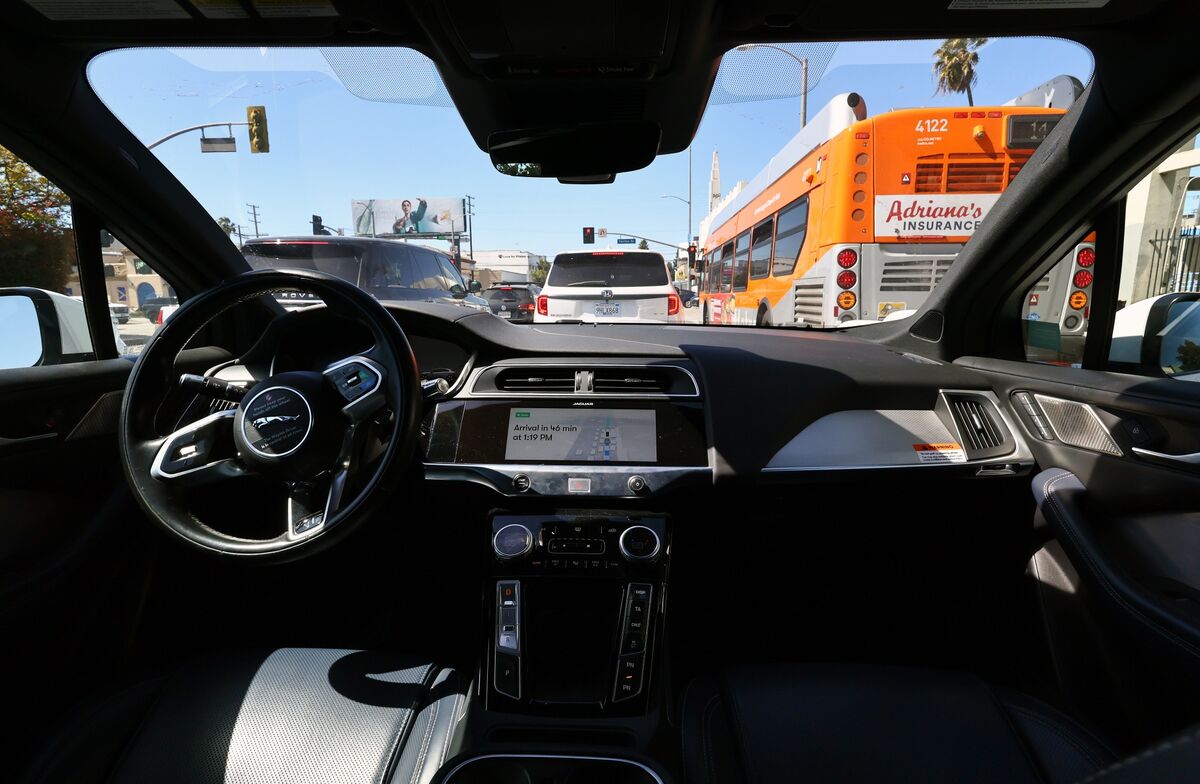
The widespread adoption of self-driving cars, initially predicted to be imminent by 2015, has failed to materialize due to excessive costs, technological complexity, and increased regulatory scrutiny following accidents involving partially automated vehicles. Several automakers and startups have ceased their autonomous vehicle programs as a result, highlighting the significant challenges in creating reliable self-driving technology.
The anticipated widespread adoption of self-driving cars, a prospect a_originnally fueled by initiatives like the US military's Darpa challenge and projected to be imminent by 2015, has significantly underperformed expectations. The primary impediments to this technological rollout are multifaceted, encompassing excessive development and implementation costs, the profound complexity of creating reliably autonomous systems, and a notable increase in regulatory scrutiny. This heightened oversight follows several incidents and crashes involving vehicles equipped with partial-automation, casting a pall over the industry's progression. Consequently, a number of legacy automakers and specialized startups have found it necessary to abandon their autonomous vehicle development efforts, citing these persistent challenges. The prevailing sentiment surrounding this topic is strongly negative (-0.65 sentiment score) with a pessimistic tone, reflecting the substantial hurdles that continue to affect the automotive, artificial intelligence, and technology innovation sectors.
AI-powered research, real-time alerts, and portfolio analytics for institutional investors.
Request DemoOverall Sentiment
strongly negative
Sentiment Score
-0.65
