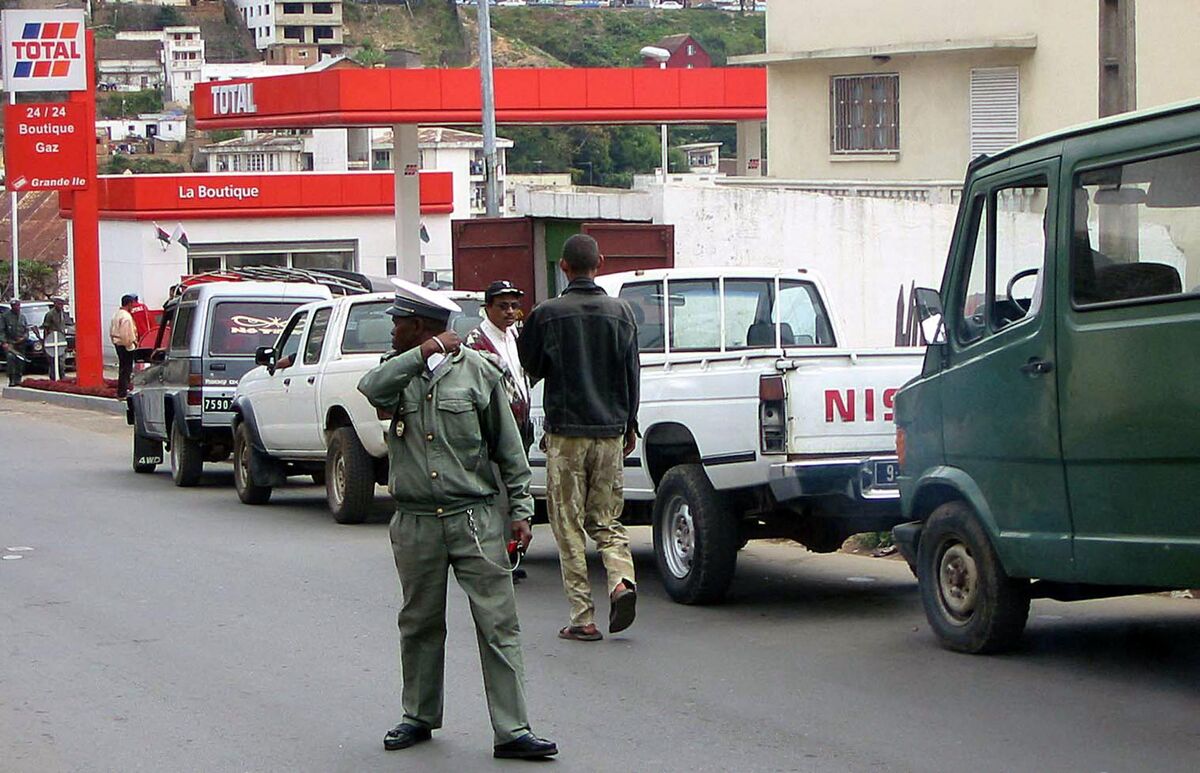
Madagascar declared a 15-day national state of energy emergency after a war in the Middle East disrupted fuel supply. The measure authorizes "exceptional measures" to manage and restore fuel availability and maintain public services, indicating elevated short-term risk of domestic fuel shortages and operational disruption for transport and logistics. The action raises near-term sovereign and business risk for Madagascar but is unlikely to move global energy markets materially.
This episode is a microcosm of how localized energy bottlenecks propagate through commodity and logistics chains: a small island with concentrated processing and export nodes can generate outsized short-term shortages in time-sensitive agricultural and mining exports. Expect 2–8 week disruptions to processing and transport capacity to spill into commodity availability curves (higher prompt premia) even if physical import flows normalize in 1–2 months — traders pay up for guaranteed delivery windows.
Second-order winners are owners of excess bunkering and short-haul tanker capacity in the Western Indian Ocean and traders with access to prompt refined product cargoes; second-order losers are counterparties long time-sensitive export crops and any mining/projects with narrow energy tolerances (diesel-powered ore processing). Insurance and freight forwarders can reprice exposure quickly — we should expect elevated short-dated freight/FIOB spreads and insurance premia over the next 30–90 days.
Tail risks skew to the downside for on-island production if the disruption extends beyond 15 days: running out of fuel stocks could halt processing cycles and create multi-month quality spoilage for agricultural goods, creating a price shock for supply-concentrated commodities. Reversal catalysts include an emergency import tranche from a nearby refiner, a trader arbitrage that restocks bunkers within 10–21 days, or a diplomatic/financial lifeline that restores commercial credit lines; each would materially compress any prompt price premia within 2–6 weeks.
From a portfolio construction view, this is a short-duration, event-driven volatility trade rather than a structural commodity leg — the asymmetric payoff is in owning prompt optionality (calls on physical or freight) and being long higher-margin producers who can flex supply into tight windows, while keeping exposure size small given the high local execution uncertainty.
AI-powered research, real-time alerts, and portfolio analytics for institutional investors.
Request DemoOverall Sentiment
mildly negative
Sentiment Score
-0.35
