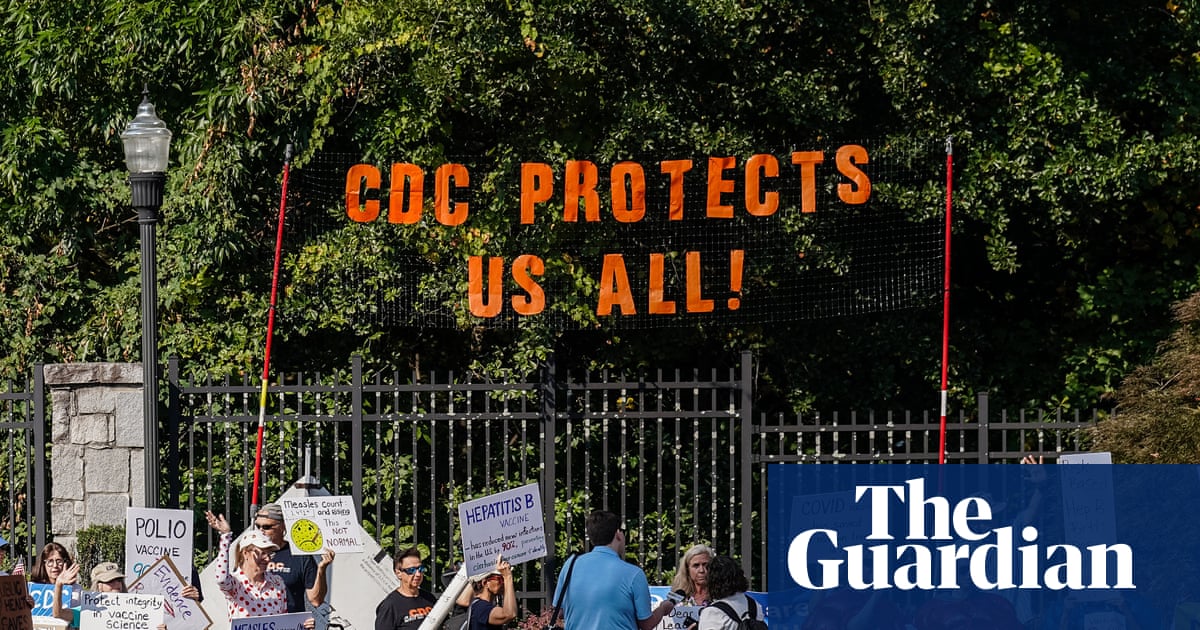
An advisory committee convened by Health Secretary Robert F. Kennedy Jr. and chaired by Kirk Milhoan is poised to vote on reversing the long-standing recommendation that newborns receive a hepatitis B vaccine within 24 hours of birth and is reviewing the entire childhood immunization schedule and potential links to allergies and autoimmune conditions. The proposal contradicts decades of CDC guidance and studies showing a 99% decline in acute hepatitis B among young people since universal infant immunization, creating regulatory and reputational risk for public-health authorities and adding policy uncertainty for vaccine manufacturers and health-sensitive investments.
Market structure: A credible advisory push to downgrade neonatal HepB and review childhood schedules mainly shifts risk to small/medium vaccine specialists and pediatric vaccine contract manufacturers, while large diversified pharmas (PFE, MRK, JNJ, SNY, GSK) retain pricing power due to diversified revenue. Near-term demand impact is modest—HepB annual US pediatric doses are low-single-digit % of incumbent vaccine producers’ top-line—but political risk amplifies volatility and tender/contract uncertainty for suppliers over 6–24 months.
Risk assessment: Tail risks include (1) a full de-recommendation cascade causing litigation/exposure and regional outbreaks (low probability, high cost), (2) accelerated politicization of CDC leading to regulatory unpredictability affecting approvals and stock valuations. Immediate shock window: days–weeks around committee vote and CDC response; medium-term: 3–12 months as state policies and payer procurements adjust; long-term: 1–3 years if schedule changes persist.
Trade implications: Tactical opportunities: short concentrated vaccine small-caps (NVAX, VXRT) and long large-cap diversified pharmas or healthcare staples, with volatility plays (6–9 month put spreads on small-caps, buy protective calls on JNJ/PFE). Rotate 1–3% of portfolio from XBI/biotech beta into defensive healthcare (JNJ, UNH) and duration (TLT) if risk-off intensifies; use position sizing limits (<=3% per idea).
Contrarian: Consensus overestimates demand loss—advisory votes are nonbinding and erosion of trust could reverse quickly if outbreaks rise; any oversold small-cap vaccine developers with cash through 2026 that trade >50% off peaks may present selective buy-on-weekend dips once regulatory intent clarifies. Monitor three triggers—ACIP vote (this week), CDC director response (30 days), state policy moves (90 days)—for rapid re-rating.
AI-powered research, real-time alerts, and portfolio analytics for institutional investors.
Request DemoOverall Sentiment
moderately negative
Sentiment Score
-0.25
