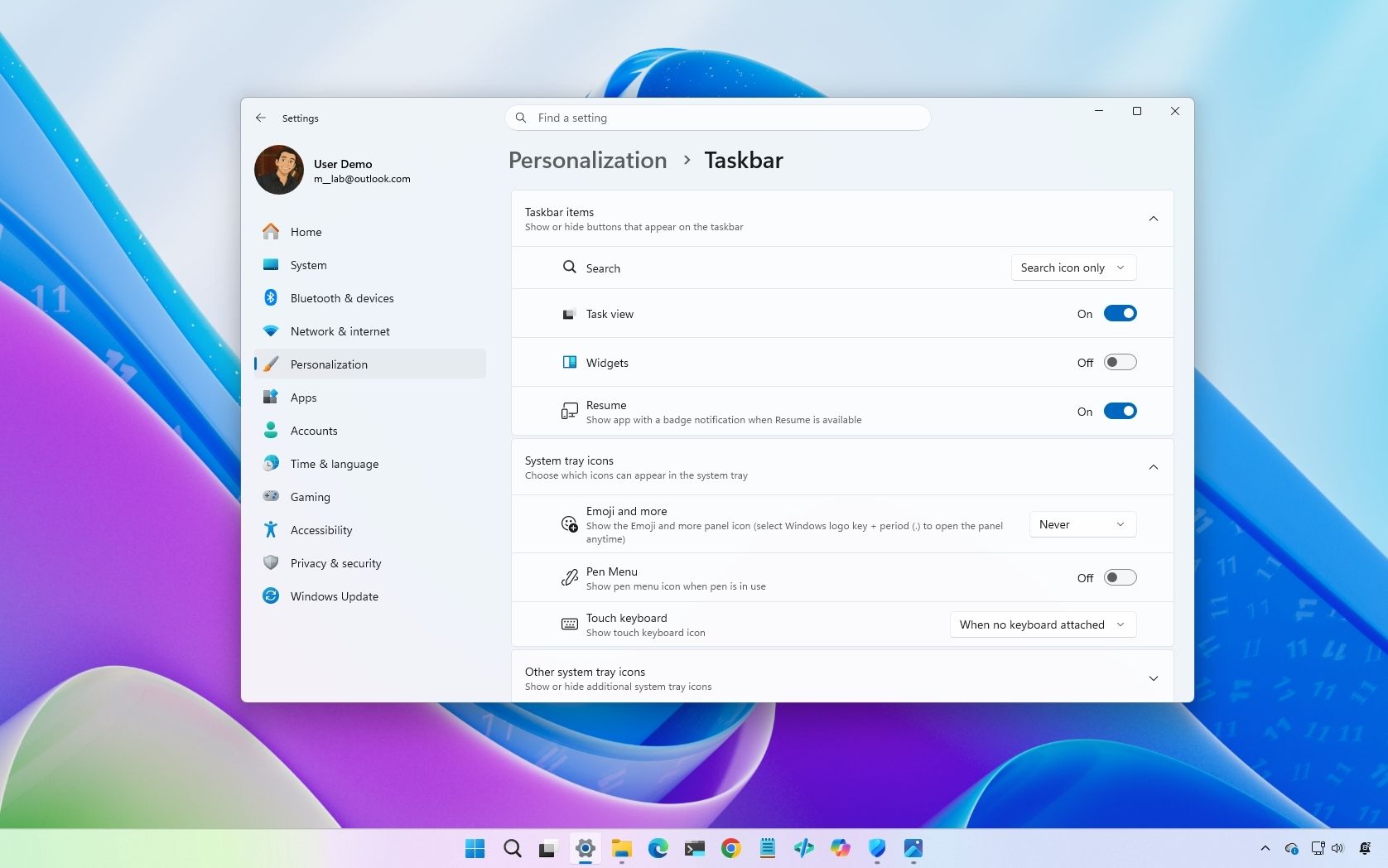
Nine Windows 11 improvements in Q1 2026 include expanded Cross‑Device Resume for Android apps, a revamped Windows MIDI Services (MIDI 2.0 + WinMM/WinRT support), native Sysmon integration, a Taskbar network speed test, Quick Machine Recovery enabled by default on Pro, external Windows Hello ESS support, a Device info card, camera pan/tilt controls, and WebP wallpaper support. These are incremental UX, creative, and security/admin enhancements that increase platform polish and reduce reliance on third‑party tools but are unlikely to drive material near‑term revenue or move the stock (>~1% impact). Net effect: modest positive for product competitiveness, enterprise manageability and user retention.
The net effect of these incremental Windows 11 improvements is cumulative platform entrenchment rather than one-off revenue jumps: small UX wins (cross‑device resume, native Sysmon, built‑in diagnostics) raise switching costs for both consumers and IT teams and should sequentially lift engagement and enterprise dependency over 6–18 months. Expect low‑single‑digit percentage gains in measured session continuity/DAU for apps that integrate tightly with Windows (Office, Spotify) while Microsoft captures more of the telemetry/value chain, improving monetization leverage across M365 and ad/search surfaces.
Native Sysmon and built‑in diagnostics change endpoint security economics: IT buyers can triage more on‑device, accelerating consolidation into platform‑level telemetry and XDR suites. That is a long‑tail positive for Microsoft’s security stack and a medium‑term headwind for niche endpoint tools that sell lightweight agents; enterprise procurement cycles mean the impact will play out mostly over 12–36 months and could trigger margin pressure for smaller security vendors.
Regulatory and privacy risk is the primary tail: bundling deeper telemetry and network utilities into the OS increases the probability of audits or restrictive remedies within a 1–3 year window, which could force feature modularization or change data‑sharing economics. For media players and audio hardware, MIDI 2.0 support and improved device APIs lower integration friction and can drive modest hardware refresh cycles — a niche but stable OEM upgrade path that benefits partners over the next 12–24 months.
AI-powered research, real-time alerts, and portfolio analytics for institutional investors.
Request DemoOverall Sentiment
mildly positive
Sentiment Score
0.25
Ticker Sentiment
