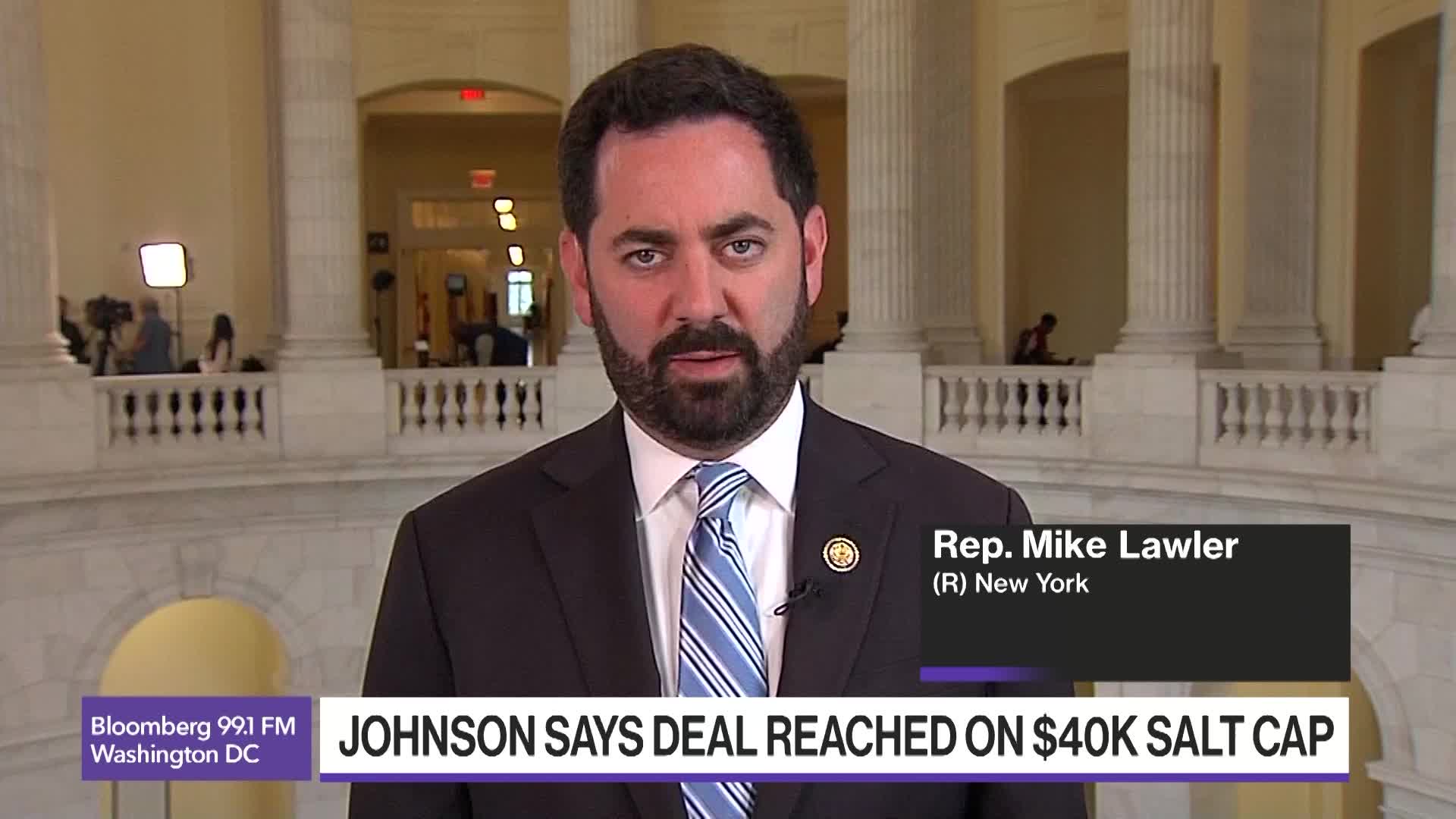
Recent Bloomberg reporting highlights Republican reservations regarding the proposed tax bill, alongside concerns voiced by Representative Pallone about potential Medicaid cuts. Despite President Trump's visit to Capitol Hill, a deal has not yet been reached, indicating ongoing challenges in securing Republican support for the legislation.
Recent legislative negotiations surrounding a proposed tax bill are encountering significant headwinds, as indicated by reservations among key Republican figures and the failure of President Trump's recent visit to Capitol Hill to secure a deal. This ongoing uncertainty is compounded by specific concerns, notably Representative Pallone's apprehension regarding potential Medicaid cuts, which introduces a healthcare policy dimension to the fiscal debate. The prevailing sentiment is negative with an uncertain tone, suggesting that the path to legislative agreement remains challenging and could lead to protracted discussions. The moderate market impact score of 0.4 signals that while the immediate market reaction may not be severe, the outcome of these negotiations holds tangible implications for economic policy and market sentiment.
AI-powered research, real-time alerts, and portfolio analytics for institutional investors.
Request DemoOverall Sentiment
Negative
Sentiment Score
-0.30
