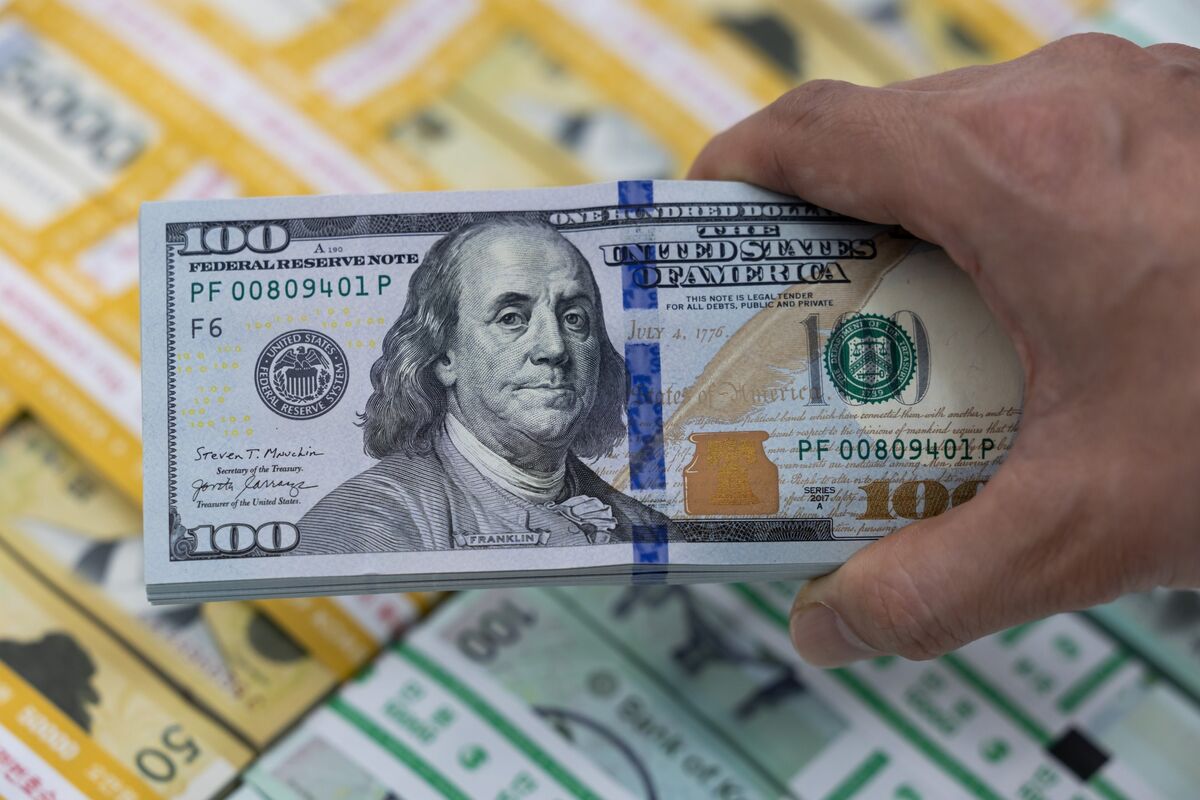
South Korea's National Security Adviser Wi Sung-lac expressed a pessimistic outlook regarding a potential currency swap agreement with the U.S. within ongoing trade talks, citing historical difficulties. He further indicated that even if a swap were secured, it would only be a 'necessary' but not 'sufficient' condition, underscoring the complexity and remaining challenges in the broader bilateral negotiations.
South Korea's National Security Adviser Wi Sung-lac has cast significant doubt on the prospects of securing a currency swap agreement with the United States during ongoing trade talks. Citing historical difficulties, the adviser's pessimistic assessment, reflected in a moderately negative sentiment signal, suggests that a key tool for bolstering South Korean financial stability may not materialize. A US dollar swap line is crucial for providing liquidity and defending the Korean Won against sharp depreciation during periods of market stress. The statement that a swap, even if agreed upon, would be a 'necessary' but not 'sufficient' condition highlights the complexity of the broader bilateral negotiations, indicating that numerous other unresolved issues remain. This introduces a degree of uncertainty for investors, as it points to potential friction in the economic relationship and removes a potential backstop for South Korean financial markets.
AI-powered research, real-time alerts, and portfolio analytics for institutional investors.
Request DemoOverall Sentiment
moderately negative
Sentiment Score
-0.60
