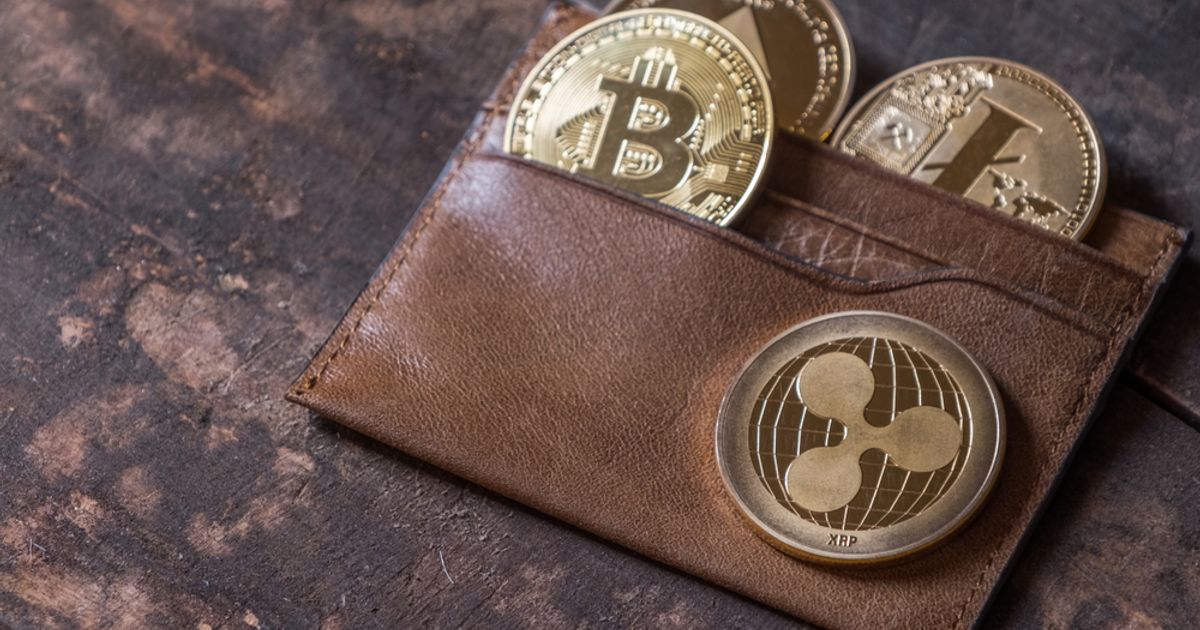
Global crypto ETP AUM fell modestly in January 2026 to $155.8bn (down 5.1% from $164.2bn at year-end 2025) while the total crypto market cap declined 10% to $2.74tn, reflecting late-month price drops not fully captured in ETP valuations. Bitcoin ETPs remained dominant with $125bn AUM (‑4.4%) as BTC fell 10.1% to $78,626; Ethereum ETPs dropped 7.9% to $19.9bn as ETH fell 17.6% to $2,445. Altcoin and basket ETPs fell more sharply (to $6.9bn and $4.0bn respectively), yet listed ETPs rose to 318 from 312 and total ETP AUM is up 3.4% year-over-year, underscoring continued institutional demand and structural growth in the ETP market.
Market structure: Bitcoin and Ethereum ETPs are the clear winners—BTC+ETH >92% of AUM—benefiting issuers, custodians and listed exchanges as institutional demand remains sticky (AUM -5.1% vs market cap -10%). Altcoin and basket products (AUM -13.4%) are the losers; product proliferation to 318 listings dilutes average flows and pushes fee competition. The AUM decline being shallower than price moves implies a supply–demand mismatch where exchange-traded wrappers provide liquidity and structural buying even during sharp weekend markdowns.
Risk assessment: Key tail risks are regulatory tightening (SEC/ MiCA changes) and a liquidity cliff from concentrated custody/prime-broker failures; a >20% sustained price drop in 30 days could trigger sizable ETP redemptions and forced selling. Near-term (days–weeks) watch NAV lags and weekend volatility; medium-term (3–6 months) catalysts include Fed policy shifts and macro risk appetite; long-term (quarters) trend remains adoption-driven (AUM +3.4% YoY). Hidden dependency: ETP stability depends on a handful of custodians and authorized participants—counterparty stress is a second-order systemic risk.
Trade implications: Favor high-conviction, liquidity-sensitive BTC exposure (spot BTC ETPs) and defensive volatility hedges. Implement long-spot-BTC vs short-altcoin-basket pair trades, harvest premiums via covered calls on ETFs, and use low-cost put spreads to cap tail risk. Reduce directional altcoin/basket exposure and reallocate into liquid Treasury/short-duration credit if risk-off intensifies.
Contrarian angles: Consensus overweights ETP stickiness and underestimates redemption cliff risk—product growth can become a liability if flows reverse and NAVs gap. Issuer margins will compress as listing competition rises; a 15–30% drawdown in smaller ETPs is plausible before BTC/ETH stabilize, creating asymmetrical short opportunities in altcoin/basket ETPs.
AI-powered research, real-time alerts, and portfolio analytics for institutional investors.
Request DemoOverall Sentiment
mildly positive
Sentiment Score
0.25
Ticker Sentiment
