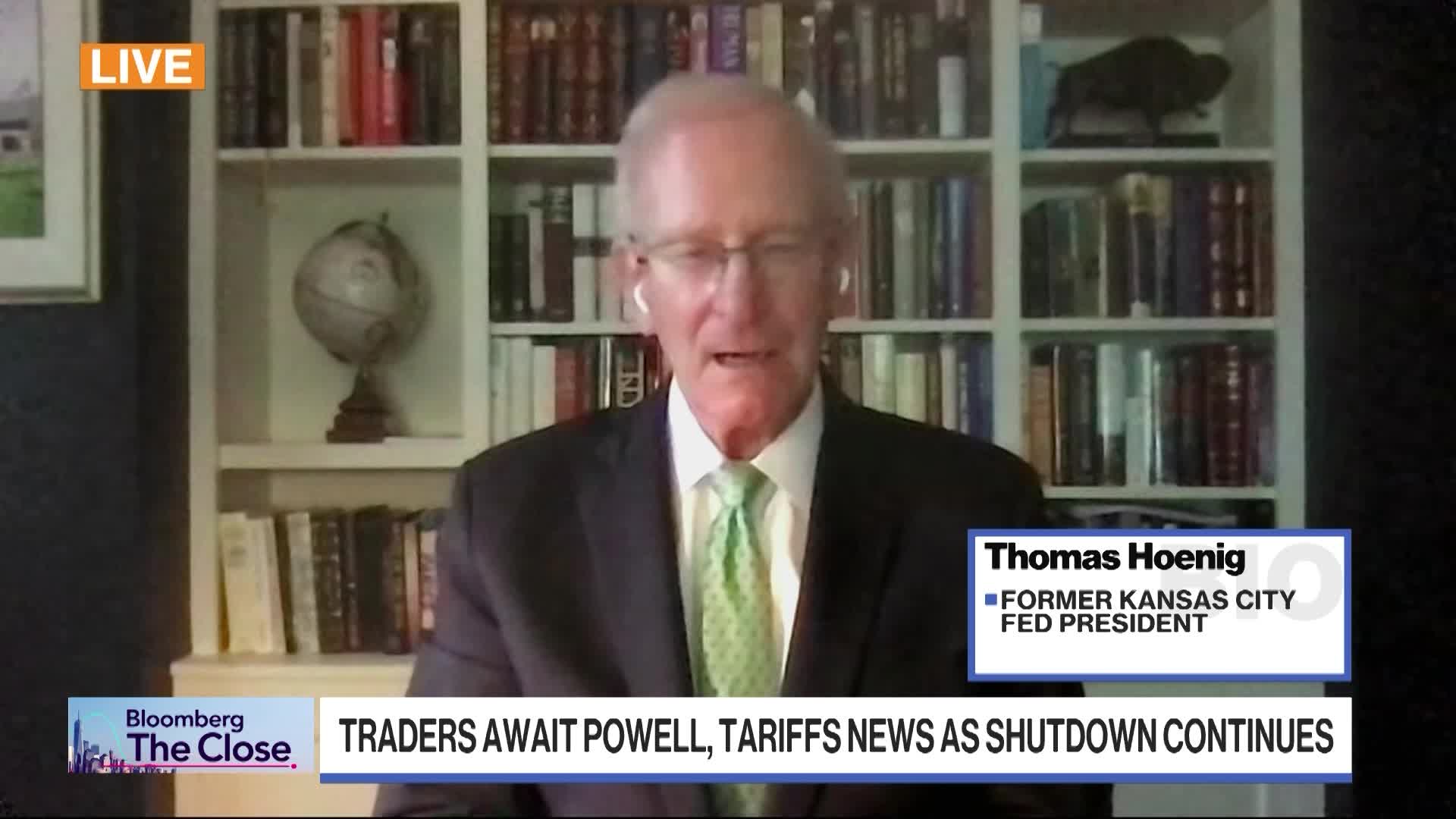
Former Federal Reserve President Thomas Hoenig has identified escalating US-China tensions as a 'true risk' for the global economy and financial markets. This assessment from a prominent former policymaker underscores the increasing concern among institutional investors regarding geopolitical factors impacting investment strategies and market stability.
Former Federal Reserve President Thomas Hoenig has explicitly labeled escalating US-China tensions as a "true risk" to both the global economy and financial markets. This assessment from a prominent former policymaker underscores a growing concern among institutional investors regarding the systemic impact of geopolitical factors.
The identified themes of Geopolitics & War, Trade Policy & Supply Chain, and Sanctions & Export Controls highlight the multifaceted nature of this risk. Potential disruptions could manifest through restricted trade flows, supply chain vulnerabilities, and increased regulatory hurdles, impacting corporate earnings and economic growth.
The overall sentiment is moderately negative with a cautious tone, reflecting the inherent uncertainty and potential for adverse market reactions. A high market impact score of 0.7 suggests that these tensions could lead to significant market volatility and necessitate re-evaluation of risk premiums across various asset classes.
AI-powered research, real-time alerts, and portfolio analytics for institutional investors.
Request DemoOverall Sentiment
moderately negative
Sentiment Score
-0.50
