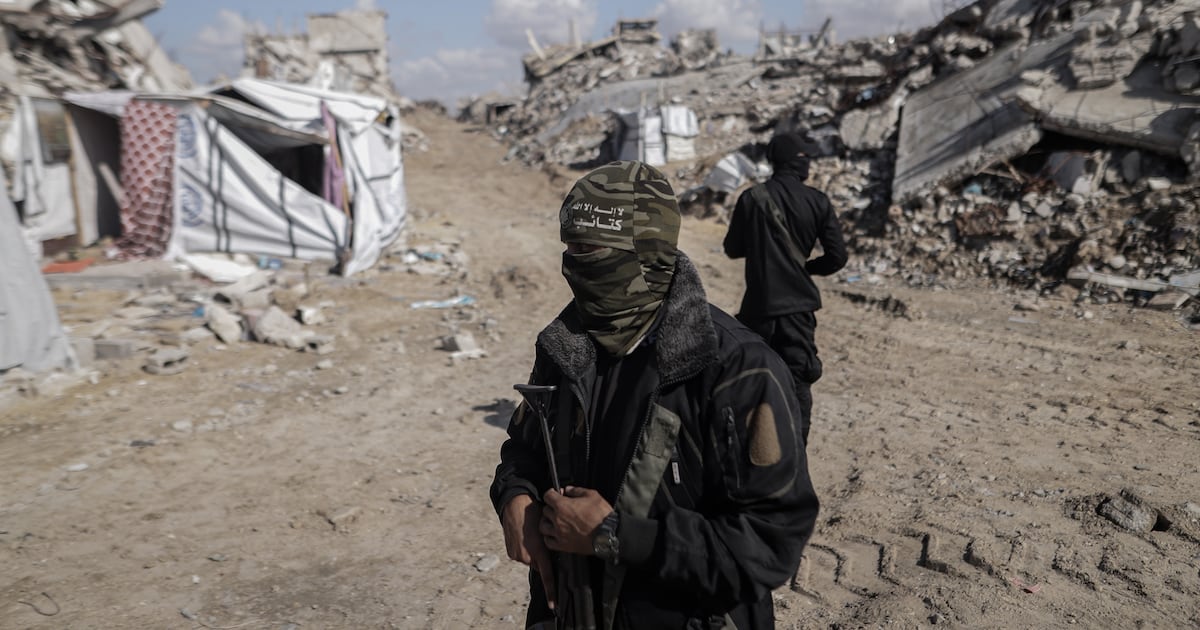
Sources report an estimated 200–300 Hamas fighters stranded in Rafah-area tunnels during the US-sponsored ceasefire have escaped over the past week, with some emerging into Israeli-held areas allegedly aided by bribed Israeli-backed militiamen or via repaired tunnels into Khan Younis; Israeli forces say 34 stranded fighters are dead. Hamas offered to allow fighters safe passage into exile as part of negotiations, which Israel has rejected, insisting on unconditional surrender and threatening to bomb tunnels or target those fleeing; mediators including Qatar, the US, Egypt and Turkey remain engaged. Against the backdrop of the October 7, 2023 attack and subsequent Israeli campaign—about 1,200 Israelis killed and Gaza authorities reporting over 70,000 Palestinian deaths and severe humanitarian collapse—these developments increase the risk of renewed hostilities and heightened regional instability.
Market structure: Short-term winners are defense primes (Lockheed LMT, Northrop NOC, RTX) and private military/logistics contractors that win surge orders or US foreign military sales; losers include Israeli domestic cyclicals (tourism, retail) and regional airlines (IAG, AAL) where revenues are sensitive to border closures. Pricing power shifts toward defense suppliers for 3–12 months as governments accelerate procurement; reconstruction/materials suppliers (cement, heavy machinery) become conditional winners on a 6–24 month horizon if a reconstruction program is funded.
Risk assessment: Tail risks include a wider regional escalation (Iran involvement or blockade of Suez) with a 10–25% probability over 3 months that could lift Brent by $5–15/bbl and spike VIX >25; sovereign-credit stress for Israel could widen 5–30bps in 1–3 months. Hidden dependencies: Egypt’s Rafah policy, US diplomatic posture, and Hamas operational resilience; catalysts that reverse the partial calm are failed mediations, targeted strikes on extraction routes, or humanitarian chokepoints.
Trade implications: Near term (days–weeks) favor long volatility and safe havens (gold, US Treasuries) and tactical long defense equities sized 1–3% each with stop/targets; buy time-limited oil call spreads as a directional hedge for a price spike. Over months, consider being long construction/materials names conditional on confirmed multi-billion reconstruction pledges (trigger = public funding commitment >$5bn).
Contrarian angles: Consensus may underprice the probability of renewed flare-ups while overpricing permanent de-risking of Israeli assets; once a credible stage-two peace plan is signed, Israeli equities and travel names could rebound sharply (20–40% recovery potential off panic lows). Historical parallels (short Gaza escalations in 2014–2021) show defense spikes of 5–15% then mean-reversion; consider asymmetric hedges rather than outright large directional bets.
AI-powered research, real-time alerts, and portfolio analytics for institutional investors.
Request DemoOverall Sentiment
moderately negative
Sentiment Score
-0.60
