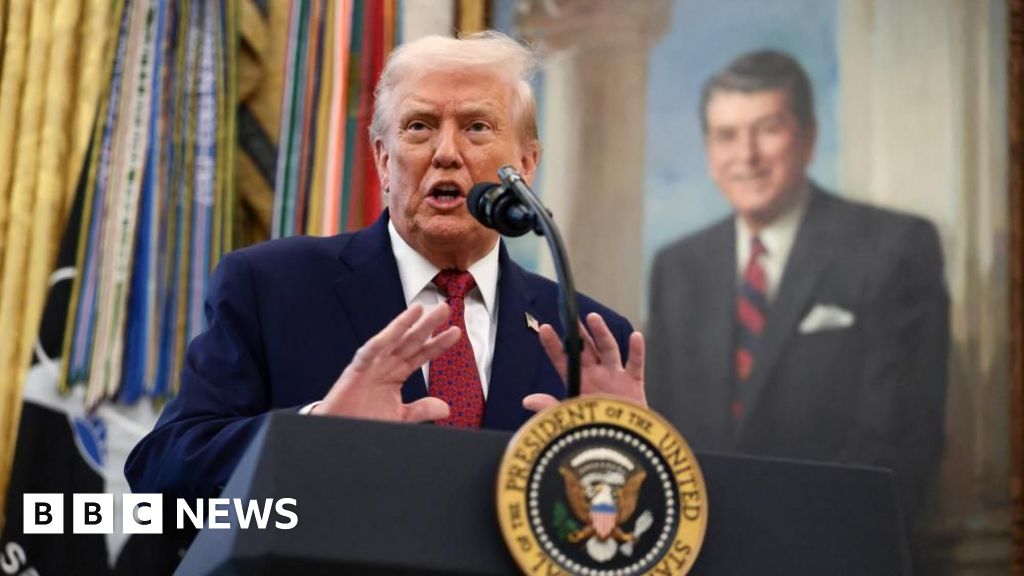
President Trump expanded US travel restrictions effective Jan. 1, adding Burkina Faso, Mali, Niger, South Sudan, Syria and holders of Palestinian Authority travel documents to the full-entry ban, upgrading Laos and Sierra Leone from partial to full bans and imposing partial restrictions on 15 other countries including Nigeria, Tanzania and Zimbabwe; the list of fully restricted countries now covers a broad set of states cited for security and identity-management failures. The White House said the moves respond to screening and vetting breakdowns—high visa overstay rates, unreliable civil records, corruption, terrorist activity and poor cooperation (citing a recent arrest of an Afghan national)—and will remain until nations show "credible improvements," with exemptions for permanent residents, many existing visa holders, diplomats and case-by-case national-interest waivers; this is the administration's third travel-ban effort, echoing the 2017 policy later upheld by the US Supreme Court.
The White House announced a broad expansion of U.S. travel restrictions effective 1 January, adding Burkina Faso, Mali, Niger, South Sudan and Syria to full-entry bans and subjecting holders of Palestinian Authority travel documents to a full suspension; Laos and Sierra Leone were elevated from partial to full restrictions while 15 other countries, including Nigeria, Tanzania and Zimbabwe, face partial constraints. The administration framed the move as remediation for screening and vetting failures—citing high visa overstay rates, unreliable civil records, corruption, terrorist activity and poor cooperation—and referenced a recent arrest of an Afghan national as rationale. Affected restrictions exclude lawful permanent residents, many existing visa holders, diplomats and major-event athletes, allow case-by-case national-interest waivers, and will remain until countries demonstrate “credible improvements.”
This is the third such travel ban and the article notes precedent from a 2017 policy later upheld by the U.S. Supreme Court, implying a higher near-term legal durability for the measure. Market signals attached to the article show a mildly negative sentiment score (−0.25) but a low market-impact score (0.15), indicating policy and geopolitical risk are elevated while immediate macro market disruption is likely limited. Investors should therefore weigh modest near-term headwinds to travel-related flows, remittance channels and sovereign/country-risk premia for affected states while monitoring diplomatic and implementation developments that could widen impacts.
AI-powered research, real-time alerts, and portfolio analytics for institutional investors.
Request DemoOverall Sentiment
mildly negative
Sentiment Score
-0.25
