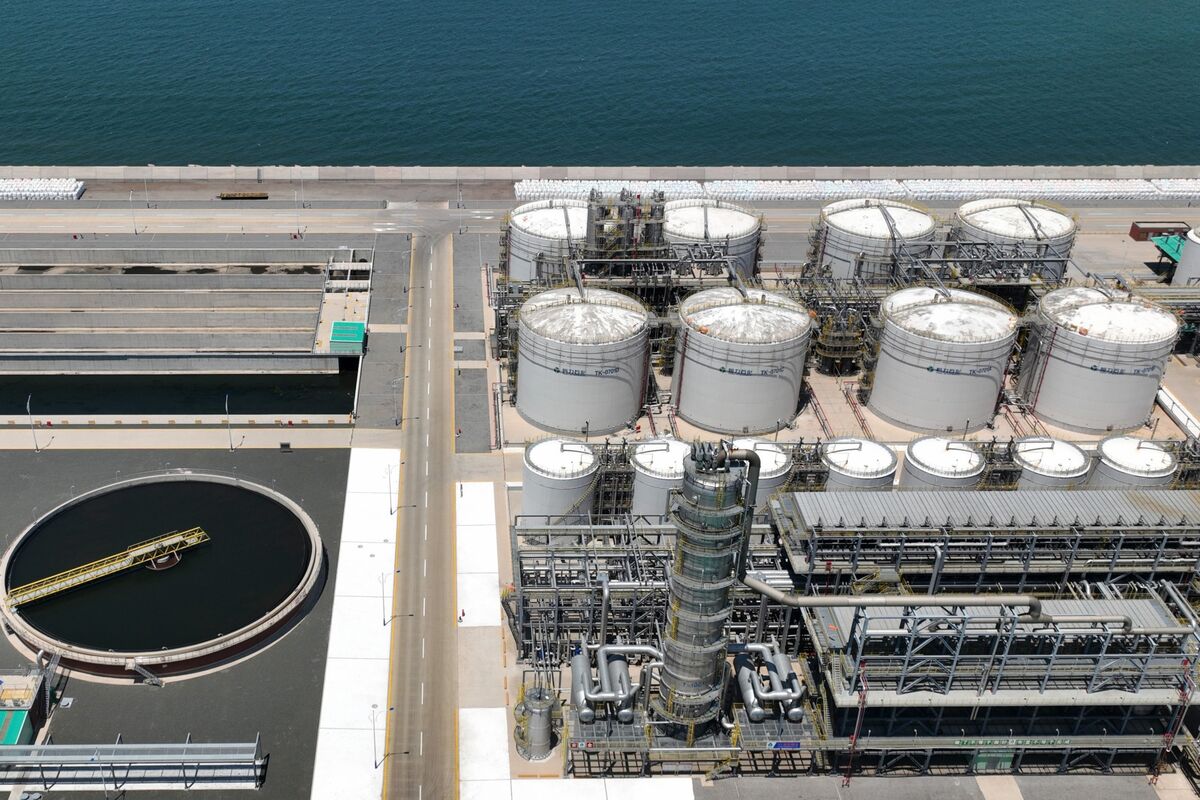
The U.S. Treasury blacklisted Hengli Petrochemical (Dalian) Refinery Co., one of China’s largest private refiners, over alleged ties to Iran. The move is likely to pressure China’s teapot refiners and add stress to an already embattled petrochemicals sector, with spillover effects extending into broader oil and chemical supply chains. The action also escalates U.S.-China and U.S.-Iran tensions ahead of the expected Trump-Xi meeting.
This is less about one refinery and more about a forced rerouting of China’s lower-quality feedstock system. Once a large private processor is designated, counterparties upstream and downstream will quietly de-risk: traders, shipping, blending, insurance, and smaller peers with ambiguous compliance histories will demand wider discounts or exit certain flows entirely. The near-term loser set is broader than the headline suggests because the marginal barrel tied to sanctioned entities becomes harder to finance, move, and hedge, which can compress utilization across the teapot complex even before formal product disruptions show up. The second-order effect is tighter Asian product availability in the exact grades these refiners tend to push into domestic and regional export markets. That is mildly supportive for non-sanctioned refiners with cleaner balance sheets and access to non-Iranian crude, but it also raises the probability of margin pressure in China’s petrochemical chain if firms are forced into more expensive feedstocks or lower throughput. In practice, that means a lagged hit to naphtha, diesel, and certain base chemical spreads over the next 1-3 months, not an immediate crude price shock. Catalyst risk is binary but time-skewed: the market can shrug for days, then reprice hard if Beijing retaliates through informal import restrictions, customs friction, or accelerated purchases from alternative sanctioned supply. Over a 3-6 month horizon, the more important variable is whether this becomes a template for broader secondary enforcement; if yes, the discount for “non-compliant but system-relevant” Asian processors widens materially. The contrarian miss is that sanctions can be net bearish for global crude demand if they force efficiency losses inside China’s refining ecosystem, even if the headline appears oil-supportive.
AI-powered research, real-time alerts, and portfolio analytics for institutional investors.
Overall Sentiment
strongly negative
Sentiment Score
-0.55
