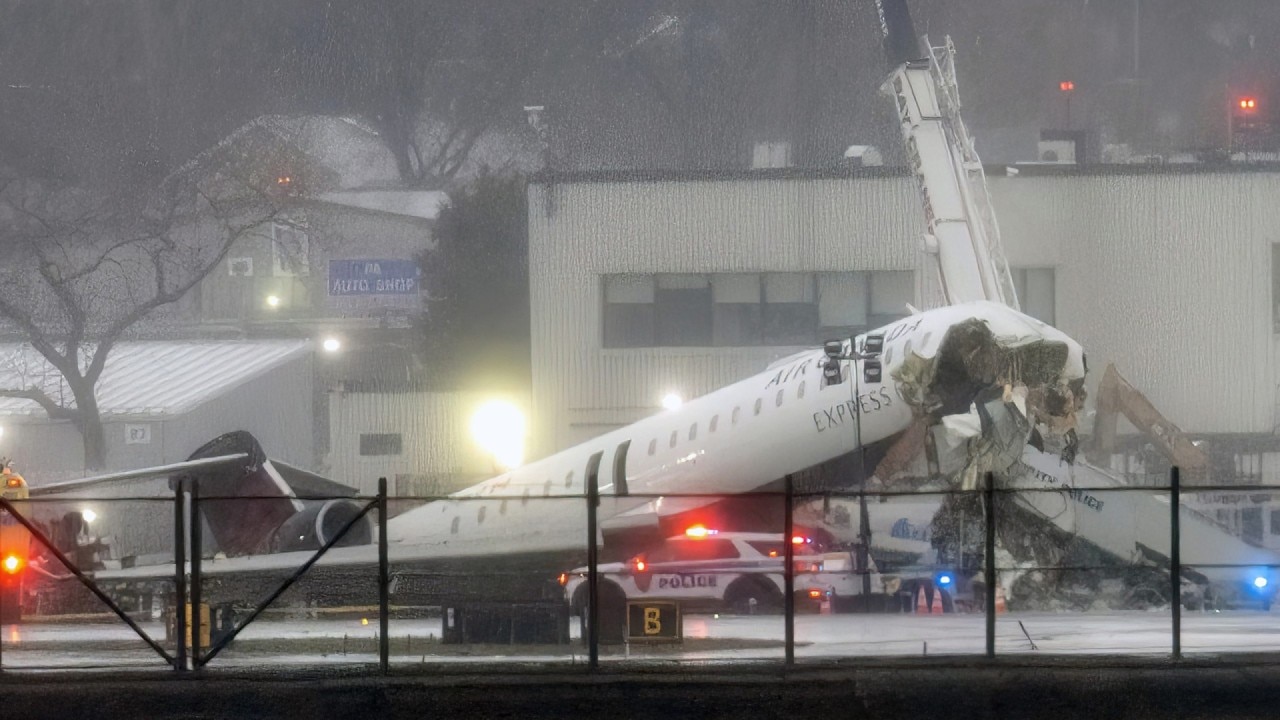
Deadly collision at LaGuardia killed two pilots and has refocused scrutiny on U.S. aviation safety and a nationwide air traffic controller shortage. The NTSB investigation is in its early stages, while the FAA has tightened procedures (requiring radar separation for helicopters/airplanes), deployed AI tools to identify hotspots, and permanently lowered the Van Nuys traffic pattern by 200 feet effective Jan 5, 2026 after preliminary reductions in TCAS alerts. Expect increased regulatory oversight and operational changes at congested airports, which could raise staffing costs and constrain capacity in key metro markets.
The immediate market reaction will be concentrated on operational capacity and regulatory overhang rather than structural demand destruction for travel. Stricter separation rules, permanent ATC procedural changes, or mandating radar/AI monitoring in more terminals can mechanically reduce throughput at constrained hubs by 3–6% in the near term (weeks–months), creating localized fare inflation and schedule re-optimization by carriers with the deepest slot portfolios.
Second-order winners are hardware/defense contractors and avionics suppliers that sell FAA modernization, ground‑vehicle detection, and runway-incursion mitigation systems; their order books can see multiyear, lumpy upgrades that are budgeted through federal and airport capital programs (6–24 months to contract award). Conversely, smaller carriers and low‑margin regional operators are exposed to higher unit costs — rising insurance pricing, slot scarcity, and incremental ground/ATC staffing costs compressing margins, particularly through the summer travel season (1–3 quarters).
Risk profile: a sharp regulatory response or NTSB preliminary findings could accelerate mandated technology rollouts and licensing timelines, favoring suppliers but also creating execution risk on large integration contracts. The contrarian angle is that headlines will overstate traffic declines: historically, headline accidents drive a 4–8 week sentiment hit but air travel demand normalizes within 2–3 months, so airline equity dislocations tied to sentiment are tradable if fundamentals (yields, fuel) remain stable.
AI-powered research, real-time alerts, and portfolio analytics for institutional investors.
Overall Sentiment
strongly negative
Sentiment Score
-0.70
