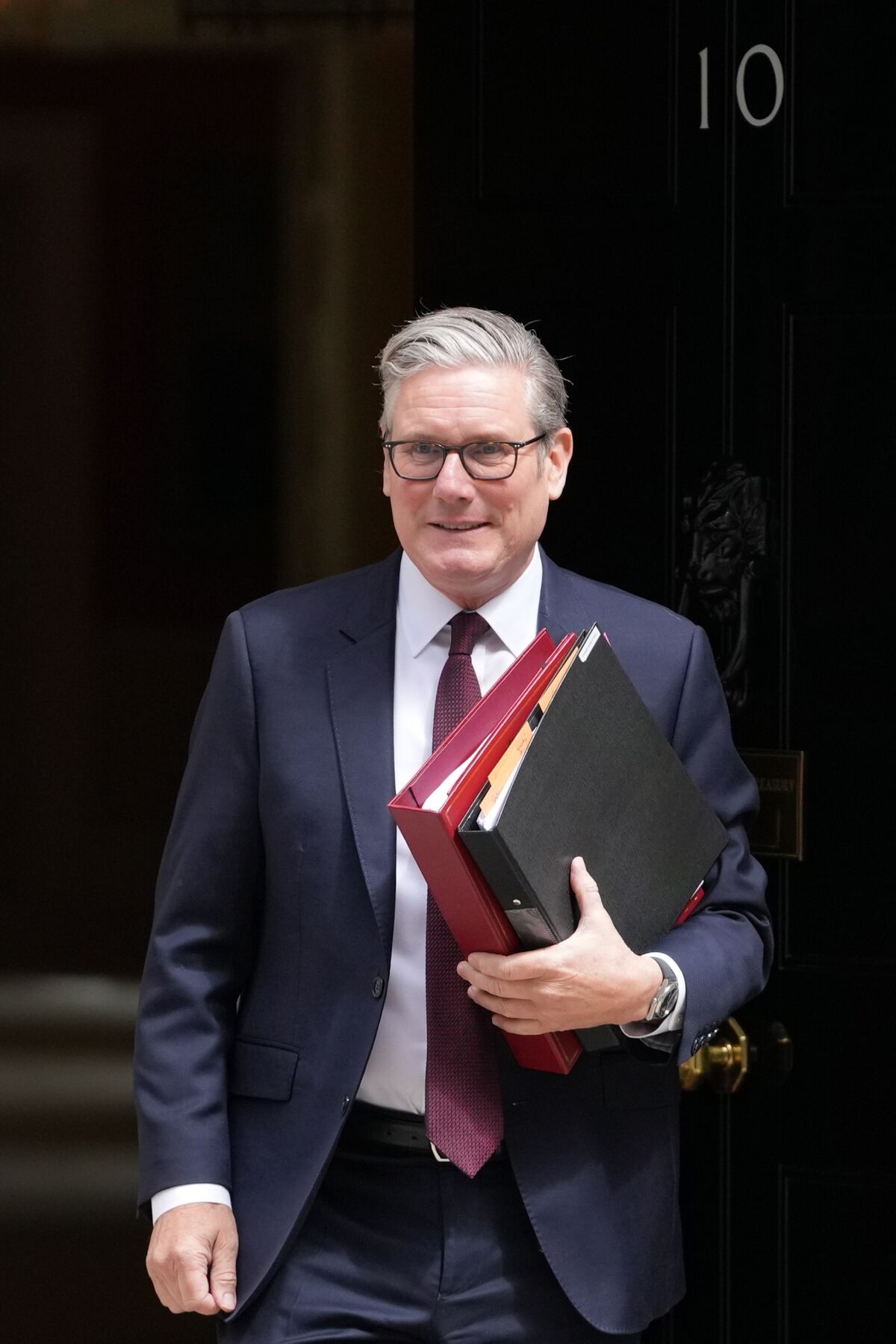
UK Prime Minister Keir Starmer declined to rule out extending the freeze on income tax thresholds, signaling a potential strategy to boost tax revenues and address a significant budgetary deficit. While reiterating his commitment not to raise income tax rates, VAT, or National Insurance, his stance on thresholds suggests a de facto tax increase as inflation pushes more earners into higher tax brackets, effectively circumventing his direct tax hike pledge.
UK Prime Minister Keir Starmer's refusal to rule out an extension of the freeze on income tax thresholds introduces significant uncertainty into the UK's medium-term fiscal policy. While the government is maintaining its campaign pledge not to raise headline rates of income tax, VAT, or National Insurance, a continued freeze on thresholds would act as a material tax increase through fiscal drag. This policy would push more earners into higher tax brackets as wages rise, allowing the government to boost revenues to fill a "swelling budgetary hole" without breaking a direct promise. The ambiguity, reflected in the market's "uncertain" tone, signals a clear government priority for fiscal consolidation, potentially at the expense of household disposable income and consumer-led growth. This creates a tangible headwind for the domestic UK economy, even if the direct market impact is currently assessed as moderate.
AI-powered research, real-time alerts, and portfolio analytics for institutional investors.
Request DemoOverall Sentiment
mildly negative
Sentiment Score
-0.30
