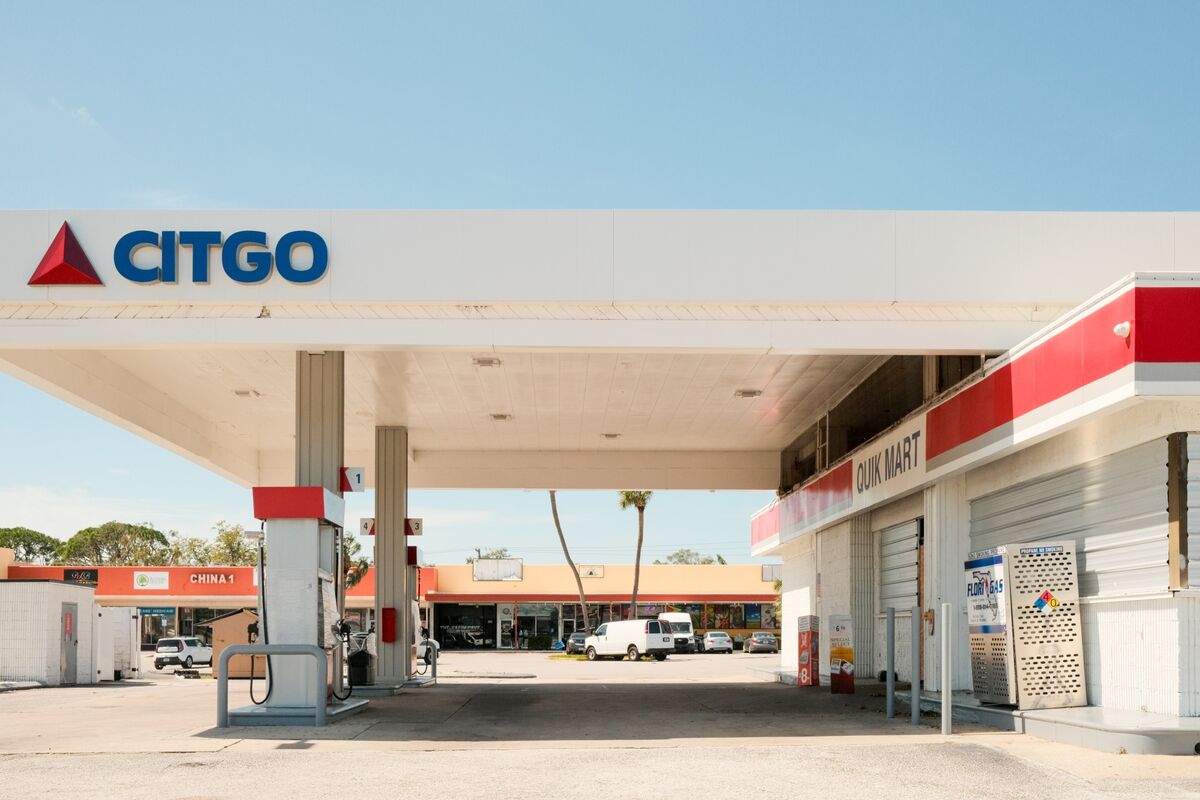
An affiliate of Elliott Investment Management won a court-ordered auction with a $6 billion bid to take control of the parent company of Citgo Petroleum Corp., the most valuable foreign asset of Venezuela. The result hands ownership influence of a major U.S. refiner to a creditor-affiliate, with potential implications for creditor recoveries in Venezuela’s sovereign disputes, governance and operations at Citgo, and related geopolitical and sanctions considerations.
Market-structure: Elliott’s successful $6bn bid converts a disputed sovereign-asset claim into a creditor-controlled asset base with near-term optionality to monetize Citgo’s U.S. refineries and terminals (combined footprint ~mid-to-high hundreds of kbpd). Winners: debt investors and activist buyers that can extract cashflows; potential buyers are U.S. refiners (PBF, VLO, MPC) and private-equity energy funds. Losers: Venezuelan sovereign equity (PDVSA) and holders of unsecured sovereign/PDVSA debt who see asset base shrink; marginal effect on global crude balances is small but regional refined-product flows could shift.
Risk assessment: Key tail risks are US policy reversal or sanctions re-assertion, Venezuelan legal/physical seizure, or protracted appeals that tie up cashflows—each could blow recovery value +/-30–100% and play out over days→months→years. Immediate (days) risks center on injunctions; 1–6 months covers asset-sale processes and bidders; >1 year covers litigation and cash distribution to creditors. Hidden dependencies include insurance, access to banking/clearance for exports, and refinery maintenance liabilities that could materially reduce proceeds if buyer assumes them.
Trade implications: Expect M&A talk and speculative bid premium to lift U.S. independent refiners; relative winners are acquisitive, cash-rich refiners (PBF, VLO, MPC) and private-equity energy buyers. Credit markets: PDVSA/Petroleum bonds should trade tighter on clearer recovery pathways but remain volatile—CDS may price event risk. Commodities: localized crack-spread volatility possible in USGC and Gulf Coast; systemic oil-price impact negligible.
Contrarian angle: Consensus will treat this as a geopolitical upside for creditors and long oil; the miss is underestimating legal frictions that could keep assets frozen—creating a multi-year option, not an immediate payout. Historical parallel: creditor seizures in sovereign restructurings (e.g., Argentina/PDVSA-style disputes) often led to protracted litigation and asset-stripping costs that lowered realized recoveries by 20–50%. The unintended consequence: an asset sale could temporarily increase refined capacity or shift product flows, pressuring regional margins and hurting some refiners in H2 after initial bid euphoria.
AI-powered research, real-time alerts, and portfolio analytics for institutional investors.
Request DemoOverall Sentiment
neutral
Sentiment Score
0.10
