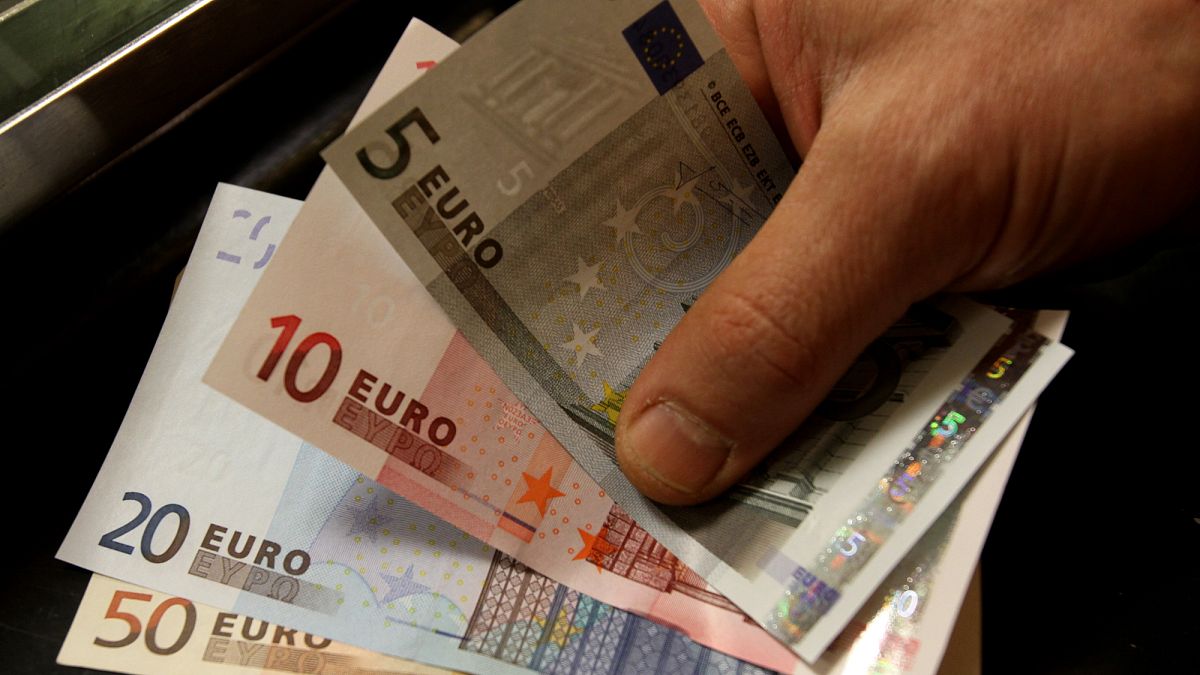
The European Parliament has overwhelmingly approved Bulgaria's request to adopt the euro, with 531 votes in favor, paving the way for it to become the 21st eurozone member by January 2026, pending final approval from member states. This decision advances Bulgaria's European integration despite significant domestic protests and euroscepticism fueled by political instability and misinformation. Economists anticipate minimal short-term economic impact given the Bulgarian lev's current peg to the euro.
The European Parliament has decisively endorsed Bulgaria's bid to join the eurozone with 531 votes in favor, positioning the country to potentially adopt the euro by January 2026, pending final approval from member states. This legislative progress marks a significant step towards Bulgaria's deeper European integration, nearly two decades after its EU accession. However, this move is contrasted by significant domestic political friction, including recent large-scale protests in Sofia and opposition from nationalist, pro-Russian parties advocating to retain the Bulgarian lev. This opposition is fueled by long-standing domestic issues of political instability and corruption, which have cultivated a degree of euroscepticism. From an economic standpoint, the immediate impact is expected to be minimal, as economists note the Bulgarian lev is already legally pegged to the euro, mitigating any short-term currency shock. The primary significance of the transition is therefore political and structural, aimed at solidifying Bulgaria's place within the core of the European Union, despite internal dissent and misinformation campaigns.
AI-powered research, real-time alerts, and portfolio analytics for institutional investors.
Overall Sentiment
moderately positive
Sentiment Score
0.50
