Gold experienced its largest one-day plunge since 2013, falling 5.74%, with Robin Brooks of the Brookings Institution attributing this correction to delegates at the recent IMF/World Bank meeting upgrading their U.S. growth outlook, thereby diminishing gold's appeal as a hedge against recession and Fed policy uncertainty. This perspective suggests a cyclical upgrade in the U.S. economic view reduced the investment case for gold, which had seen a significant rally. Other market commentators cited factors such as pure market mechanics, profit-taking from overextended positions, a stronger dollar, and gold's overvaluation in both nominal and inflation-adjusted terms.
Gold (GC00) experienced a significant 5.74% single-day decline on Tuesday, marking its largest percentage fall since June 2013, following a rapid 60% rally for the year that saw prices jump from $3,000 to $4,000 per ounce. This sharp correction was widely anticipated by some analysts given the preceding euphoric price action.
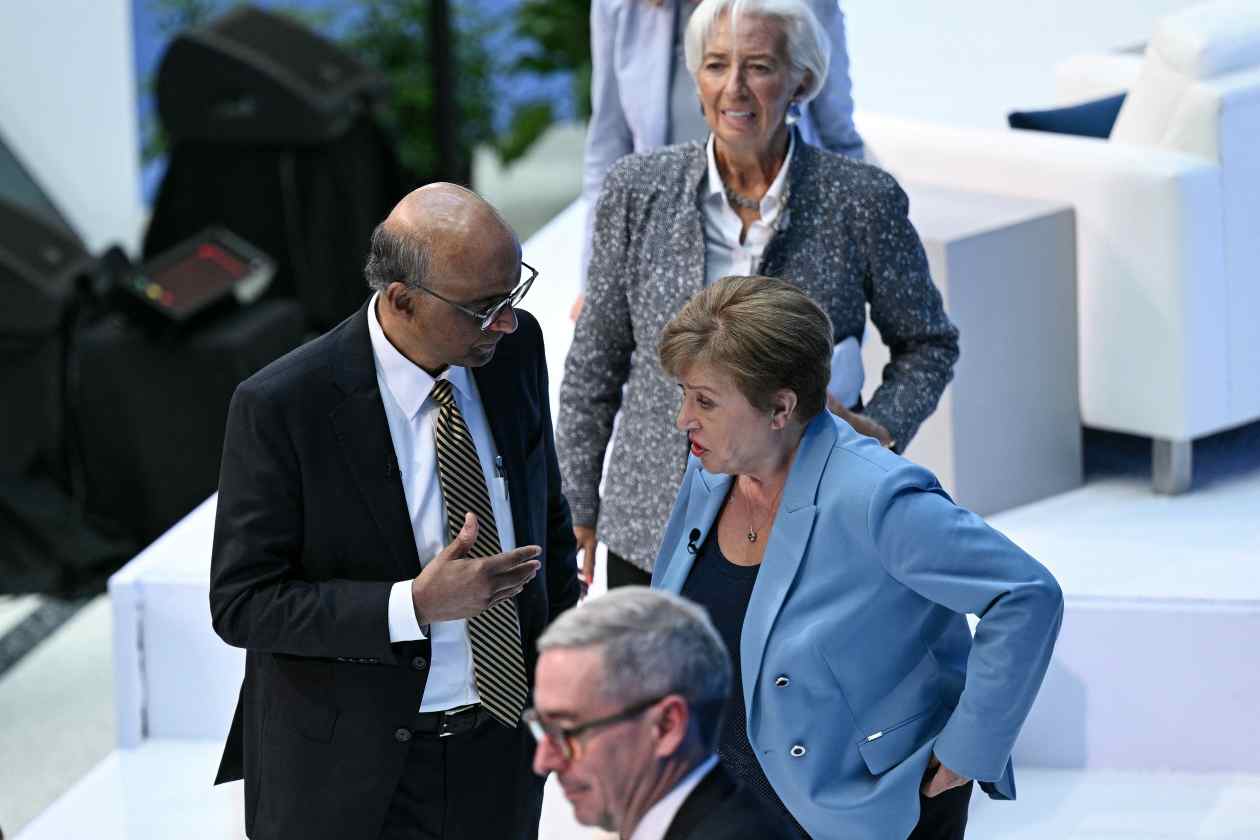
Robin Brooks of the Brookings Institution attributes this plunge to an upgraded U.S. growth outlook among delegates at the recent IMF/World Bank meeting, which simultaneously led to a paring back of Fed cut forecasts. This cyclical upgrade in economic perception, he argues, diminished gold's appeal as a hedge against recession and monetary policy uncertainty, which had been a primary driver.
Other market commentators offer alternative explanations, including "pure market mechanics" involving the unwinding of over-extended positions and algorithmic profit-taking. A stronger U.S. dollar (DXY) and gold's overvaluation in both nominal and inflation-adjusted terms, making it expensive relative to stocks and GDP, were also cited as contributing factors to the pullback.
AI-powered research, real-time alerts, and portfolio analytics for institutional investors.
Overall Sentiment
moderately negative
Sentiment Score
-0.50
Ticker Sentiment
