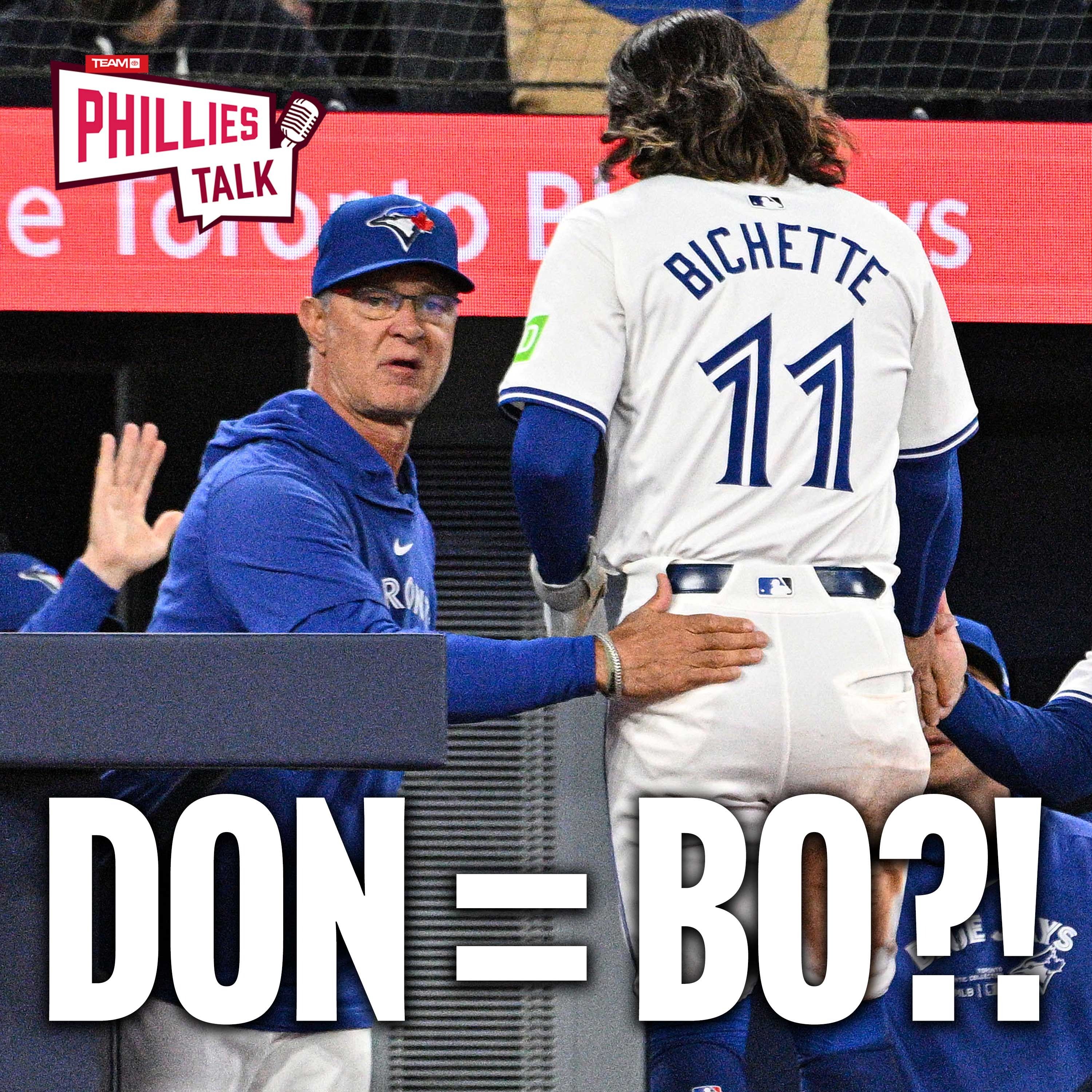
Ranger Suárez agreed to a five-year, $130 million contract with the Boston Red Sox with no opt-outs or deferrals, leaving the Philadelphia Phillies, who will receive a 2026 fourth-round draft pick as compensation. Suárez posted an 11–6 record in 2025 with a 3.20 ERA and 151 strikeouts and owns a 1.48 postseason ERA over more than 40 innings, but durability concerns persist as he hasn’t reached 30 starts in a season since 2022. The signing shifts Red Sox payroll priorities (potentially reducing pressure to pursue Bo Bichette) and forces the Phillies to address the backend rotation internally — notably Andrew Painter and Taijuan Walker — amid existing long-term commitments to Zack Wheeler, Aaron Nola and Walker.
Market structure: The Suárez signing materially shifts on-field competitiveness for BOS (better rotation depth) and directly weakens PHI’s short-term depth and payroll flexibility; Phillies now face a ~+$130m committed payroll hole relative to maintaining Suárez, increasing probability they defer or downsize pursuit of another big-ticket FA (Bo Bichette) by 40–60% this winter. For public markets, the move is immaterial to large-cap broadcasters (DIS, FOXA) and apparel (NKE) beyond localized merchandise/handle effects; the clearest beneficiary class is sports-betting operators (DKNG/PENN) where a stronger Boston rotation can lift futures betting volume and handle by an estimated 1–3% peak over the next 6–12 months.
Risk assessment: Tail risks include a Suárez injury or a contagion-style bidding war for similar lefty SPs that re-prices the mid-rotation market (could add $200–400m aggregate salary across MLB), and regulatory shifts in U.S. sports-betting rules that could compress operator margins by 5–10%. Time horizons: immediate (days) — negligible equity moves; short (weeks–months) — betting handle/odds shifts and local ad inventory sales; long (quarters–years) — Phillies’ cap decisions affect future talent markets and prospects (Andrew Painter trajectory is a key dependency). Hidden dependencies: Boston’s willingness to reallocate payroll from position players to pitching, and PHI’s decision to tender or trade prospects, will ripple through the FA market.
Trade implications: Direct plays: small, tactical exposure to sports-betting upside (DKNG/PENN) via limited-duration call spreads to capture higher handle/futures activity; income play by selling short-dated calls against Disney (DIS) or FOXA given low probability a single signing moves viewership enough to beat already-priced-in rights revenue. Pair trade: long DKNG (3–6 month call spread) vs short MGM or LYV (1–2% position) as a relative bet on betting-handle growth vs. live-event discretionary spend. Options: favor defined-risk buys (call spreads) and selling short-dated premium on broadcasters; target 3–6 month expiries.
Contrarian angles: Consensus will underweight the negligible direct equity impact — but it may be underdone for betting operators where even a 1–3% futures/handle bump translates to outsized EBITDA leverage (+5–12% on incremental handle). Historical parallels (mid-tier FA signings) show broadcaster/apparel moves are muted; the better contrarian opportunity is volatility compression in DIS/FOXA options — sell premium rather than buy exposure. Unintended consequence: PHI’s payroll strain could accelerate promotion/trade of top prospects, creating buy opportunities in niche minor-league sponsorship/merchandise vendors if/when trades occur over the next 6–12 months.
AI-powered research, real-time alerts, and portfolio analytics for institutional investors.
Request DemoOverall Sentiment
neutral
Sentiment Score
0.08
Ticker Sentiment
